Crafting Effective Lesson Plans
Understanding Lesson Plan Components
The Blueprint for Learning
A lesson plan is a teacher's roadmap. It outlines the path from a starting point of not knowing something to a destination of understanding. It’s not a rigid script, but a flexible guide that ensures every part of a lesson has a purpose. A well-crafted plan builds confidence for the teacher and creates a clear, engaging experience for the student.
Start with the Destination
Every lesson needs a clear destination. In teaching, these are called objectives. An objective is a specific, measurable statement describing exactly what a student should be able to do by the end of the lesson. Think of it as the promise you make to your students.
Objectives should be clear enough that you could look at a student's work and say, 'Yes, they've got it,' or 'No, they need more practice.'
For example, a vague goal is "Students will learn about fractions." A strong objective is "Students will be able to correctly add two fractions with like denominators." See the difference? The second one is an action you can see and measure. All other parts of the lesson plan flow directly from this objective.
Gather Your Tools
Once you know your destination, you need to pack for the trip. This means identifying all the materials and media you'll need. This could include textbooks, worksheets, videos, lab equipment, art supplies, or digital tools. Listing them out ensures everything is ready beforehand, so the lesson flows without interruption.
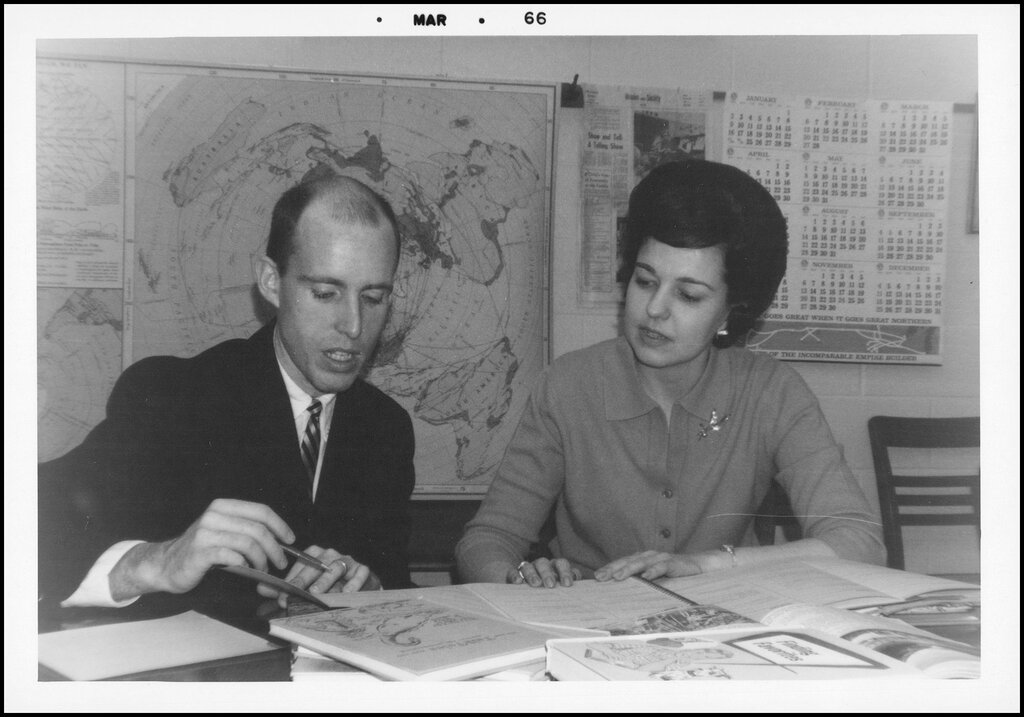
Just as important is considering the students' background knowledge. What do they already know about the topic? Connecting new information to existing knowledge is one of the most powerful ways to make learning stick. A quick opening question or a short review activity can reveal their starting point. You wouldn't start teaching multiplication to someone who doesn't understand addition.
The Heart of the Lesson
The core of the lesson plan is the instruction itself, which typically happens in two phases.
| Phase | Description | Teacher's Role | Student's Role |
|---|---|---|---|
| Direct Instruction | The teacher explains, demonstrates, or models the new concept or skill. This is the "I do" phase. | Explainer | Observer |
| Guided Practice | Students try the new skill with support from the teacher and peers. This is the "We do" and "You do (with help)" phase. | Coach | Participant |
During direct instruction, the teacher clearly presents the information. This isn’t just a lecture; it can be a hands-on demonstration, a worked example on the board, or a compelling story.
Then comes guided practice. Here, the responsibility shifts. Students attempt the skill themselves, but with a safety net. The teacher circulates, offers hints, answers questions, and corrects misunderstandings. This is where real learning solidifies. It's the difference between watching someone ride a bike and trying it yourself with training wheels.
Wrapping Up and Checking In
A strong lesson doesn't just stop. It needs a sense of closure. This is a brief activity at the end that helps students summarize, reflect on, and internalize what they've learned. It could be as simple as asking them to write down the most important idea from the lesson or to share one new thing they learned with a partner. Closure helps cement the information in their minds.
The assessment and feedback plan emphasizes an approach to teaching where assessment is frequent and varied and provides student feedback to improve future student performance.
Finally, there's assessment. This is how you check if the lesson's objectives were met. Assessment doesn't always mean a formal test. It can be observing students during guided practice, reviewing their work on an exit ticket, or simply listening to their answers to questions. The results of the assessment tell you if the lesson was a success and what you might need to reteach or review next time. It closes the loop, connecting back to the objectives you set at the very beginning.
Now, let's test your understanding of these core components.
What is the primary purpose of a lesson objective?
During which phase of a lesson plan does a teacher demonstrate a skill or present new information to the class?
These seven components work together to create a cohesive and effective learning experience. Each one plays a vital role in guiding students from where they are to where they need to be.