Crafting Custom Sugar Cookies
Dough Preparation
The Perfect Sugar Cookie Dough
Great sugar cookies start long before you pick up a cookie cutter. The foundation of a cookie that holds its shape, tastes delicious, and has the perfect texture is a well-made dough. It’s a simple process, but every step matters.
Your Cast of Ingredients
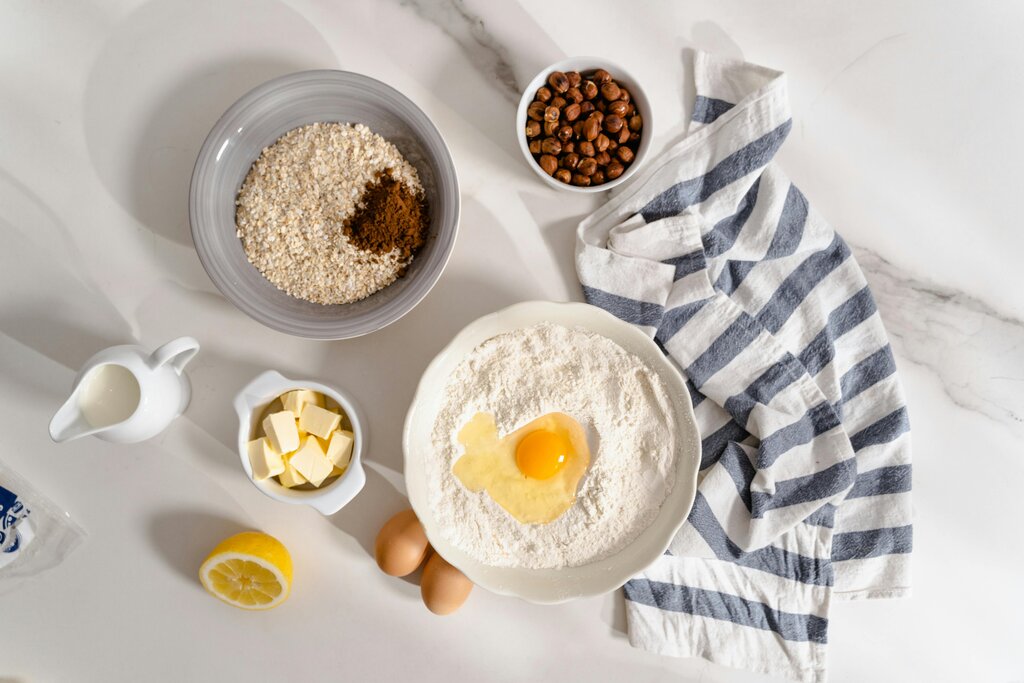
Like any good recipe, success begins with understanding your ingredients. Each one has a specific job to do.
- Flour: This is the backbone of your cookie, providing structure. All-purpose flour is the standard choice.
- Fat: Unsalted butter is best. It adds rich flavor and creates a tender texture. Starting with butter that is cool but not rock-hard is key. If it's too soft, your cookies will spread too much in the oven.
- Sugar: Granulated sugar does more than just sweeten. It helps the cookies brown and contributes to their final texture.
- Eggs: These act as a binder, holding everything together. The yolk adds a bit of richness and color.
- Leavening: A small amount of baking powder gives the cookies a tiny bit of lift, so they aren't dense and hard.
- Flavorings: Vanilla extract and a pinch of salt are essential. Salt doesn't just make things salty; it enhances all the other flavors, making the butter and sugar taste even better.
Mixing It Right
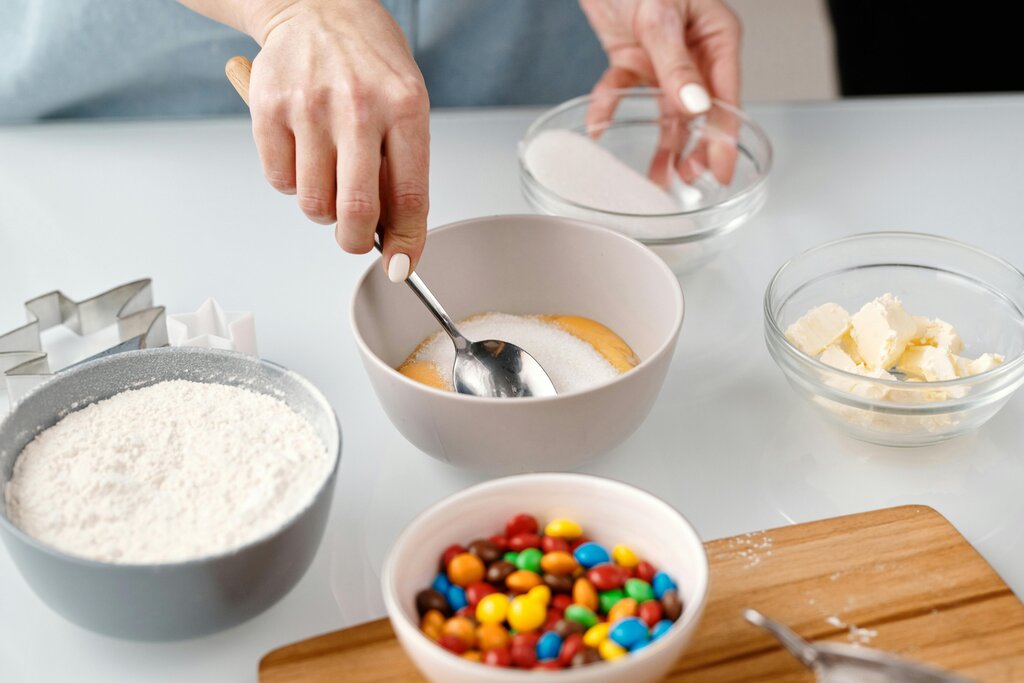
How you combine your ingredients is just as important as what's in them. For sugar cookies, we use the creaming method. It’s a straightforward technique that creates a uniform, smooth dough.
First, you'll beat the cool butter and sugar together until the mixture becomes light in color and fluffy in texture. This process whips tiny air pockets into the fat, which helps the cookies rise and gives them a tender crumb.
Next, beat in the egg and vanilla extract until they're just combined. Scrape down the sides of the bowl to make sure everything is evenly mixed.
In a separate bowl, whisk together your dry ingredients: flour, baking powder, and salt. This ensures the leavening and salt are distributed evenly, so you don't get a salty bite or a lopsided cookie.
Finally, add the dry ingredients to the butter mixture in a few additions, mixing on low speed only until the flour disappears. At this stage, the goal is to just bring the dough together. Overmixing develops gluten, which can make your cookies tough instead of tender.
Once mixed, the dough should be soft and smooth, but not overly sticky. If it feels greasy or sticky, your butter was likely too warm to begin with.
Don’t overwork the cookie dough.
The Importance of Chilling
This is the most important step for making sugar cookies that don't spread into thin, crispy blobs. Chilling the dough is non-negotiable.
When you chill the dough, you're solidifying the butter. Cold butter takes longer to melt in the oven. This means the cookie has time to set and cook before the butter melts and causes it to spread. The result is a cookie that perfectly holds its sharp, cut-out shape.
Chilling also allows the flour to fully absorb the liquid from the eggs. This process, called hydration, results in a more flavorful cookie and a less sticky, more manageable dough when it's time to roll it out.
The secret lies in chilling the dough instead of over-flouring it, ensuring a flavorful, manageable dough that bakes just right.
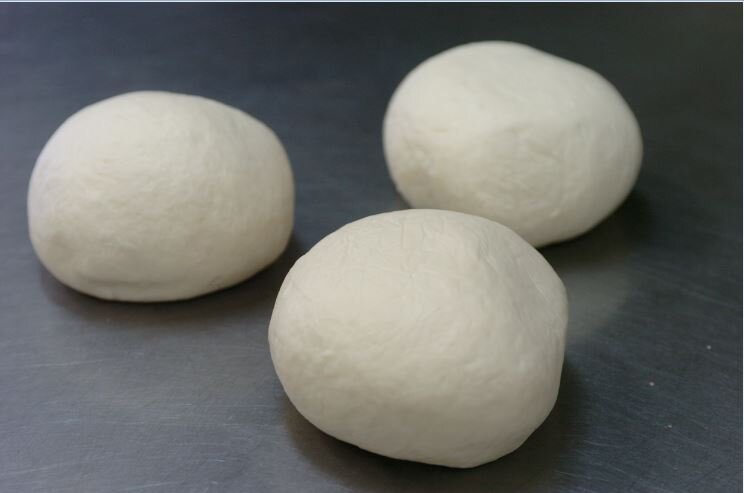
Divide your dough into two discs, wrap them tightly in plastic, and let them rest in the refrigerator for at least an hour. Two hours is even better, and you can even leave it overnight.
Time to see what you've learned about getting the dough just right.
What is the primary role of flour in a sugar cookie recipe?
Why is it critical to start with cool, but not rock-hard, butter when making sugar cookie dough?
With a properly mixed and chilled dough, you're set up for success. The next steps of cutting and baking will be much easier, and your final cookies will be perfect.