Crafting Custom GPTs
Introduction to GPTs
What is a GPT?
Let's break down the name: Generative Pre-trained Transformer. It sounds complicated, but the ideas are straightforward.
- Generative: This means the model creates something new. It doesn't just find information; it generates original text, images, or code based on the patterns it has learned.
- Pre-trained: Before you ever type a prompt, the model has already been trained on a vast library of text and data from the internet. This pre-training is what gives it a broad understanding of language, facts, and how ideas connect.
- Transformer: This is the specific type of neural network architecture that makes GPTs so powerful. It was a breakthrough in how AI processes sequential data, like sentences.
Transformer
noun
A type of neural network architecture that excels at handling sequential data, like text. It uses a mechanism called 'self-attention' to weigh the importance of different words in a sentence, allowing it to understand context and relationships far better than older models.
Think of it like an apprentice who has read nearly every book in a library. This pre-training gives them a massive base of knowledge. Then, we can fine-tune that apprentice for a specific job, like answering questions or writing poetry. This two-step process, pre-training followed by fine-tuning, is the secret to their versatility.
The core idea is simple: A GPT learns the patterns of human language and then uses that knowledge to generate new text that follows those same patterns.
A Quick Family History
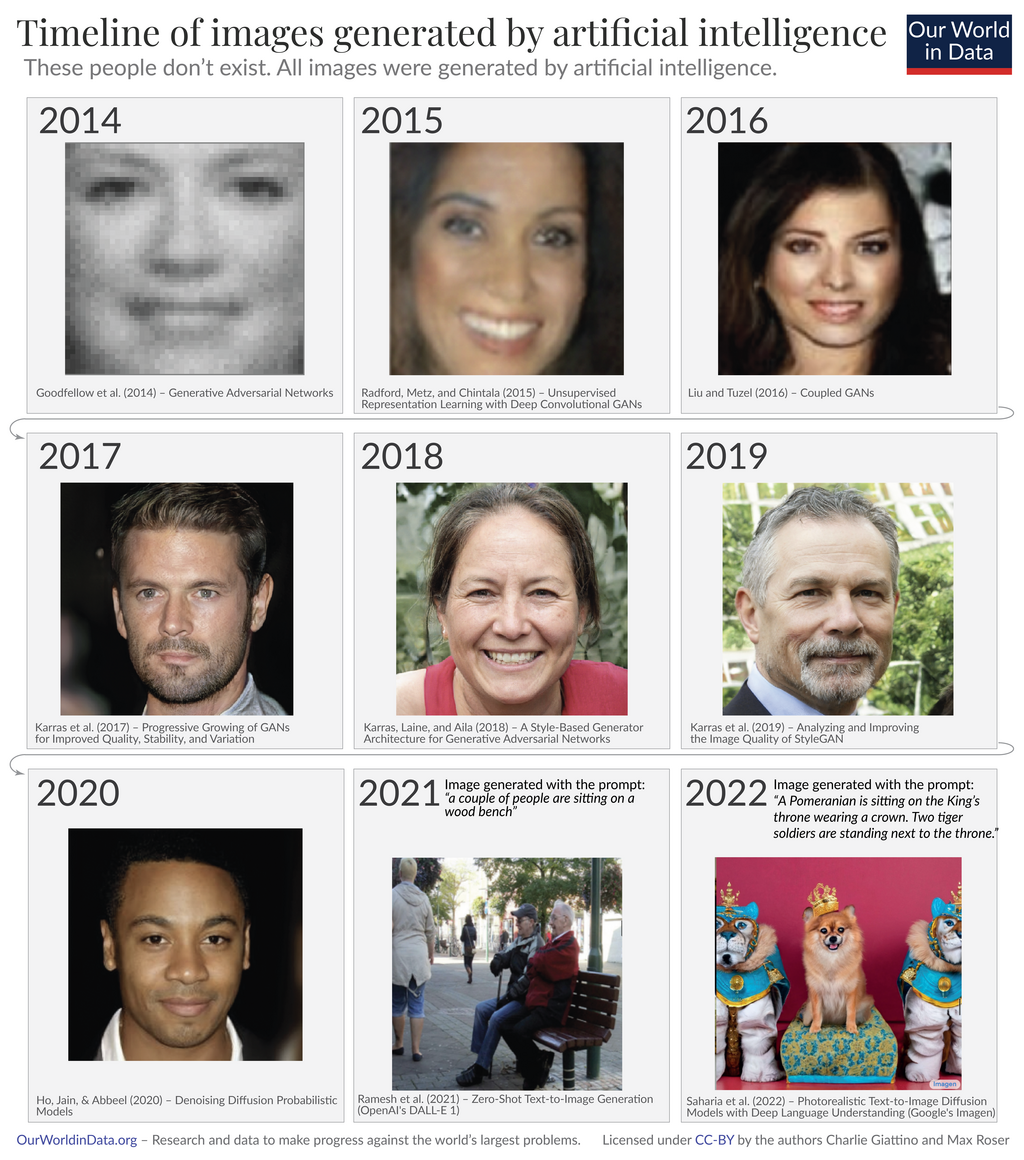
The GPT models we use today are the result of years of rapid evolution. OpenAI's series of models shows a clear progression in capability.
It started with GPT-1 in 2018. This was the first model to demonstrate that the Transformer architecture could be pre-trained on a large, unlabeled dataset and then fine-tuned for specific tasks. It was a proof of concept, showing this approach had potential.
GPT-2, released in 2019, was a huge leap forward. It was so much better at generating coherent text that OpenAI initially released a smaller version due to concerns about potential misuse. It showed that simply scaling up the model size and training data could lead to dramatic improvements.
Then came GPT-3 in 2020. With 175 billion parameters, it was orders of magnitude larger than its predecessor. It could perform a wide range of tasks without any fine-tuning at all, a concept called "zero-shot" or "few-shot" learning. This is the model that truly brought generative AI into the mainstream.
More recent models like GPT-4 continue this trend. They are not just larger, but also "multimodal," meaning they can understand and process information beyond text, including images.
Training a Digital Brain
So, how does a GPT learn? The process has two main stages: pre-training and fine-tuning.
Pre-training is the heavy lifting. The model is fed an enormous dataset—a huge slice of the internet, including books, articles, and websites. Its task is simple but powerful: predict the next word in a sentence. Given the phrase "the cat sat on the...", it learns to predict "mat" with high probability. By doing this billions of times, it develops a deep statistical understanding of how words and ideas are connected.
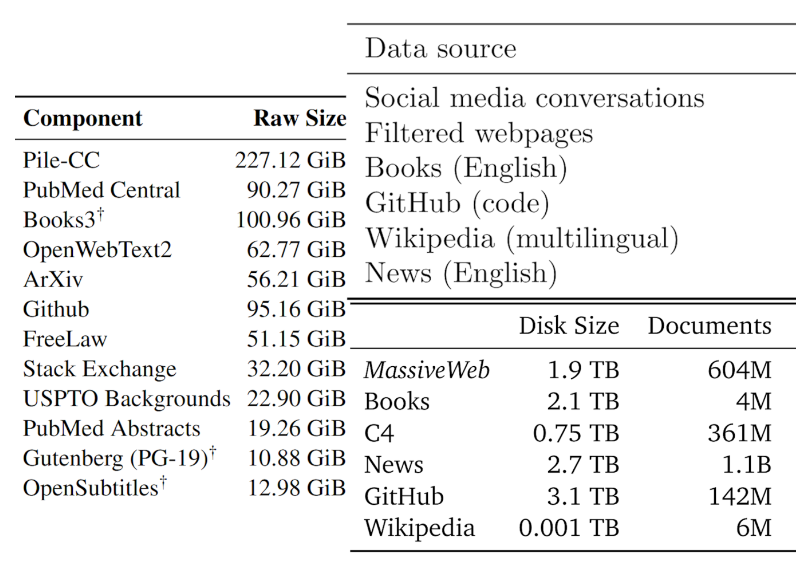
Fine-tuning comes next. After the model has its general knowledge from pre-training, it can be specialized for a particular purpose. To create a conversational agent like ChatGPT, developers fine-tune the base model using high-quality datasets of conversations. This stage is often guided by human reviewers who rate the model's responses, teaching it to be more helpful, accurate, and safe. This process is called Reinforcement Learning with Human Feedback (RLHF).
ChatGPT is a specific application of OpenAI's Generative Pre-trained Transformer (GPT) models, fine-tuned for conversational dialogue.
What Can GPTs Do?
The power of GPTs lies in their versatility. Because they are trained on a general understanding of language, they can be applied to a huge range of tasks. You've likely already seen many of them in action.
- Content Generation: Writing emails, drafting articles, creating marketing copy, or even brainstorming story ideas.
- Summarization: Condensing long documents, articles, or research papers into key points.
- Language Translation: Translating text between languages with surprising accuracy and fluency.
- Code Generation: Writing snippets of code in various programming languages based on natural language descriptions.
- Conversational Agents: Powering chatbots and virtual assistants that can answer questions, provide customer support, and engage in dialogue.
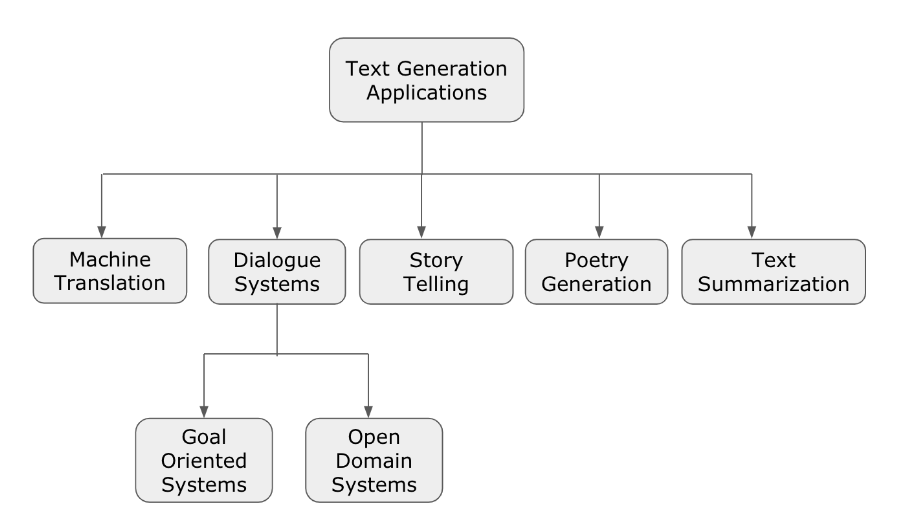
Each of these applications stems from the same core ability: understanding context and predicting what should come next. This fundamental skill, scaled up to an enormous degree, has unlocked a new wave of possibilities in artificial intelligence.
Now, let's test your understanding of these core concepts.
In the name 'Generative Pre-trained Transformer,' what does 'Generative' mean?
What was the primary task of a GPT model during its pre-training phase?
From their basic architecture to their wide-ranging applications, GPTs represent a significant milestone in AI's journey.