Crafting Compelling Research Papers
Understanding Primary Sources
Getting to the Source
When you're researching a topic, you're like a detective trying to piece together what happened. The best clues come directly from the scene of the crime or from people who were there. In research, these direct clues are called primary sources.
Primary sources are first-hand accounts of a topic or event, from people who had a direct connection with it.
Think of it this way: a primary source is a raw ingredient. It's an original document or object created at the time of an event or by someone who personally experienced it. It hasn't been interpreted, analyzed, or summarized by someone else. You get the story straight from the source.
A Look at Different Types
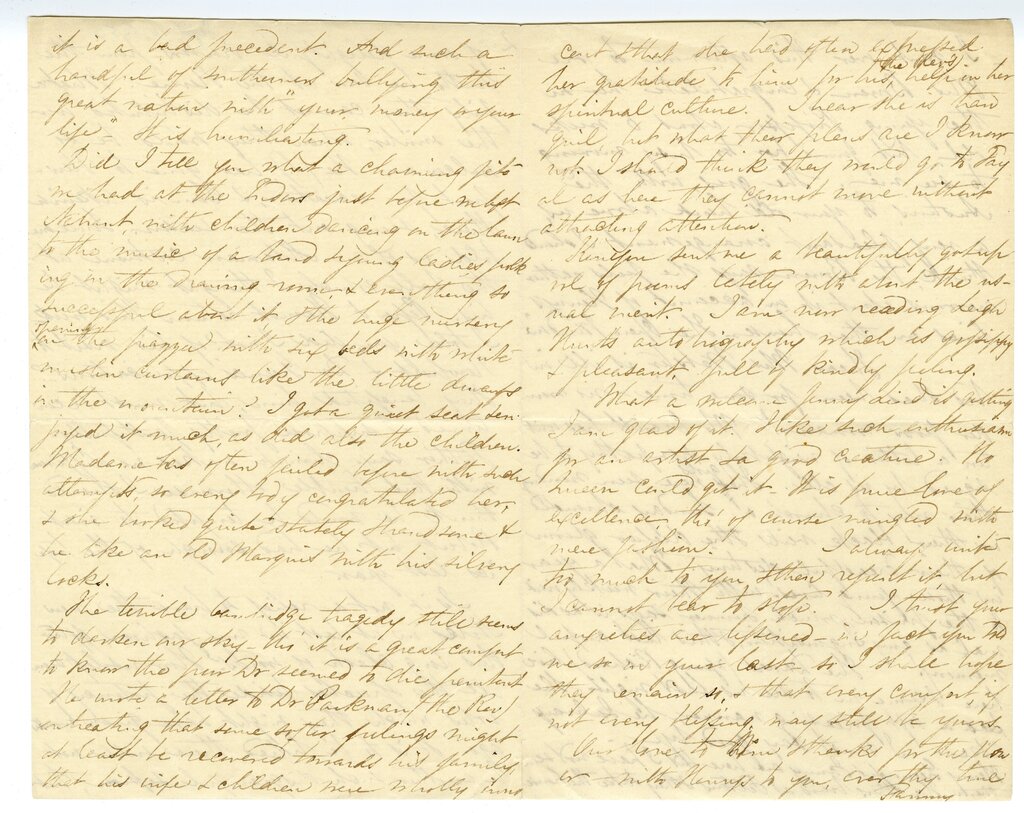
Primary sources come in many forms. They can be personal and intimate, like a letter written from a soldier to his family. They can also be formal and public, like a government-issued report.
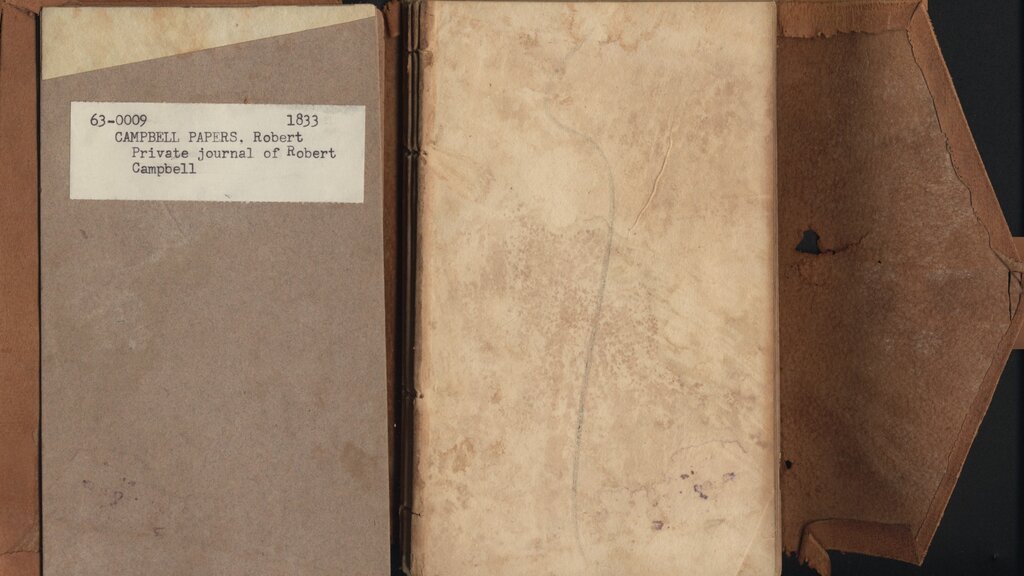
A diary entry provides a daily record of an individual's life and experiences. Speeches, interviews, and oral histories capture spoken words directly. Photographs and videos offer a visual snapshot of a moment in time.
Even official documents, which might seem dry, are rich primary sources. Birth certificates, property deeds, laws, and court records provide factual evidence about people and institutions.
| Category | Examples |
|---|---|
| Personal Records | Diaries, letters, emails, interviews, autobiographies, oral histories |
| Official Documents | Government reports, laws, court records, birth certificates, patents |
| Creative Works | Poems, novels, music, paintings, photographs, films |
| Artifacts & Data | Pottery, tools, clothing, buildings, raw scientific data, survey results |
Why They Matter
Working with primary sources is powerful. Instead of reading someone else's opinion about what happened, you get to analyze the evidence for yourself. This direct connection to the past or to a topic helps you develop a deeper understanding and form your own unique arguments.
Using primary sources allows you to move beyond simply repeating what others have said. You become the historian, the scientist, or the critic.
These sources provide a window into the perspectives of the time. A letter from the 19th century might use language or express views that seem strange today, but it reveals the attitudes and social norms of that era. This context is essential for building a strong and nuanced argument. They are the foundation upon which all solid research is built.
Finding Your Evidence
So where do you find these valuable materials? They're more accessible than you might think. Libraries and archives are treasure troves of primary sources.
Many universities have special collections with manuscripts, rare books, and historical photographs. Government archives, both national and local, hold official records. Historical societies are dedicated to preserving the history of a specific place or group of people.
Digitization has made finding primary sources easier than ever. Online databases like the Digital Public Library of America, the National Archives Catalog, and even Google Scholar contain millions of digitized primary documents. When searching, try adding keywords like "letters," "diary," "papers," or "photographs" to your topic to narrow the results to primary sources.
Remember to ask a librarian or archivist for help. They are experts at navigating collections and can point you to sources you might have missed.
Now that you know what primary sources are and where to find them, you're ready to start your detective work.