Crafting Compelling Research Papers
Understanding Research Papers
The Purpose of a Research Paper
A research paper is a way to share original research with the wider academic community. It’s not just a report of facts you've gathered from others. Instead, it’s an argument. You present a thesis—a claim or a central idea—and then spend the rest of the paper supporting it with evidence and analysis.
A research paper is more than a simple summary; it's an in-depth exploration of a specific topic.
Think of it as joining a long conversation. Other researchers have already discussed your topic. Your paper needs to acknowledge their work and then add something new to the discussion. This is how knowledge grows over time, with each researcher building on the work of those who came before.
The IMRAD Structure
To make research easy to follow, most scientific papers use a standard format called IMRAD. It’s an acronym that stands for Introduction, Methods, Results, and Discussion. This structure creates a logical path for the reader, guiding them through your research from the initial question to your final conclusions.
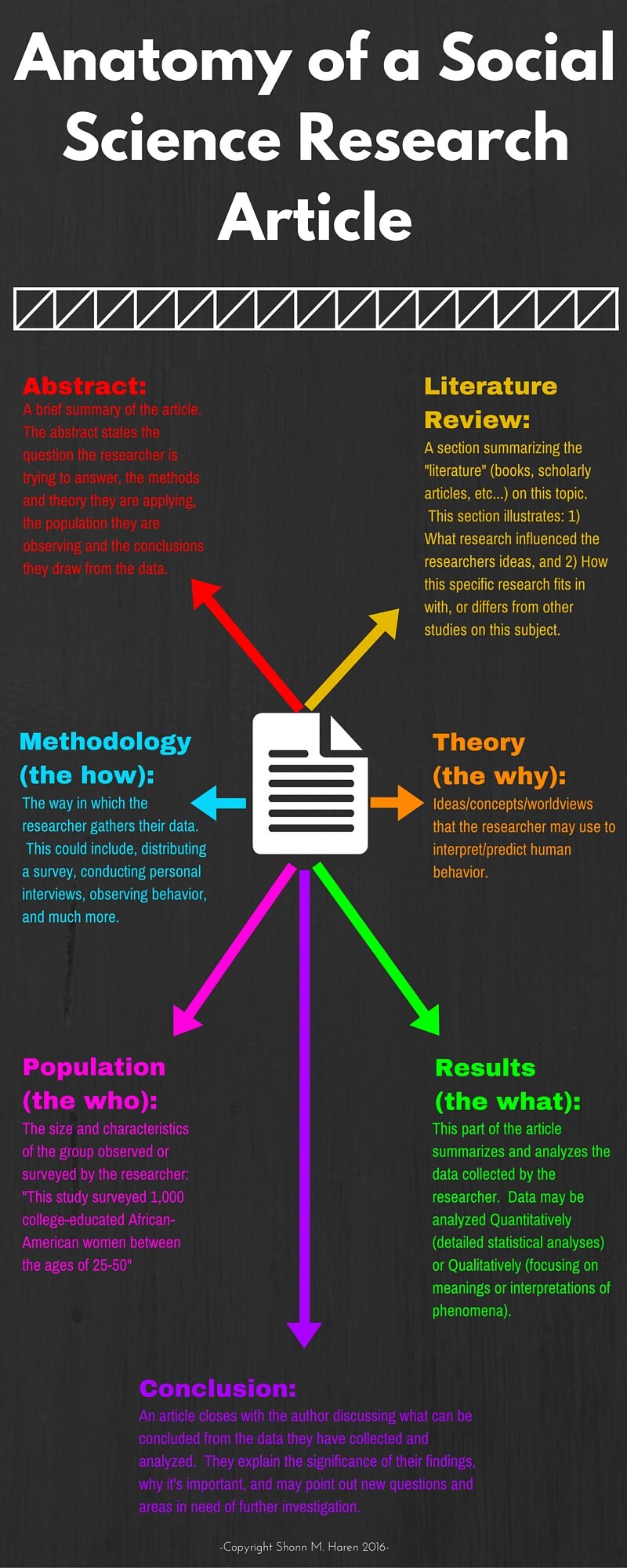
Each section of IMRAD answers a specific question:
-
Introduction: What problem or question did you study? This section sets the stage. It provides background on the topic, explains why the research is important, and clearly states the research question or hypothesis.
-
Methods: How did you study the problem? Here, you describe exactly what you did. The goal is to provide enough detail so that another researcher could replicate your study. This includes the materials you used, your procedures, and your methods of analysis.
-
Results: What did you find? This is where you present your findings, often using tables, charts, and graphs. The key is to report the data objectively, without interpreting its meaning. Just the facts.
-
Discussion: What do your findings mean? Now you get to interpret your results. You’ll explain what your findings mean in the context of your research question, discuss any limitations of your study, and suggest areas for future research.
| Section | Key Question |
|---|---|
| Introduction | What was the problem? |
| Methods | How did you study it? |
| Results | What did you find? |
| And Discussion | What does it all mean? |
Besides the main IMRAD sections, most papers also include an Abstract at the beginning and a Conclusion at the end. The abstract is a short summary of the entire paper, and the conclusion wraps everything up, often restating the main points and the overall significance of the work.
Clarity is Key
Following the IMRAD structure is a great start, but it doesn't guarantee a great paper. The most important thing is clear communication. Your writing should be precise and easy to understand. Each paragraph should connect logically to the next, building your argument step-by-step.
Your goal is to guide your reader through your research journey, showing them not just what you found, but how you found it and why it matters.
When your ideas are organized logically and communicated clearly, your research can have a real impact. It allows others to understand, evaluate, and build upon your work, which is the ultimate goal of any research paper.
What is the primary purpose of a research paper?
In which section of an IMRAD paper should a researcher describe their findings objectively, often using charts and tables, without interpreting their meaning?