Crafting Children's Books
Understanding Children's Literature
What Makes a Children's Book?
Writing for children is a special kind of art. It's not about dumbing down big ideas, but about presenting them with clarity, wonder, and respect for the reader. A great children's book meets kids where they are, in a specific stage of their development. To do that, authors and illustrators consider two main things: the age of the reader and the genre of the story.
Age Is More Than a Number
Children's literature is carefully segmented by age. The way a two-year-old interacts with a book is completely different from how an eight-year-old does. These categories help ensure that the content, language, and themes are just right.
Board Books (Ages 0-3): These are built for tiny hands. They are sturdy, often with rounded corners. The focus is on simple concepts like colors, shapes, animals, or daily routines. Language is minimal, sometimes just single words paired with bright, clear illustrations.
Picture Books (Ages 3-8): Here, the story is told through a partnership between text and illustrations. The sentences are simple, but the stories can explore complex emotions and themes like friendship, loss, or courage. The pictures are essential to understanding the narrative.
Early Readers (Ages 5-9): Designed for kids just starting to read on their own, these books have simple, repetitive sentence structures and basic vocabulary. They are divided into short chapters to give new readers a sense of accomplishment.
Middle Grade (Ages 8-12): This is where the stories get more complex. The books are longer, with chapters and fewer illustrations. The plots are more involved, and characters face bigger challenges. Themes often revolve around family, friendship, and finding your place in the world. The focus is on the character's internal journey.
| Category | Age Range | Key Features |
|---|---|---|
| Board Books | 0–3 | Durable, simple concepts, word-picture association. |
| Picture Books | 3–8 | Illustrations are essential, strong narrative, emotional themes. |
| Early Readers | 5–9 | Simple vocabulary, short chapters, builds reading confidence. |
| Middle Grade | 8–12 | Complex plots, character development, focuses on internal journey. |
Thinking about age appropriateness is the first step. It helps you choose the right length, vocabulary, and themes to connect with a young reader.
A World of Stories
Within each age category, you'll find a variety of genres, just like in adult literature. These genres give stories their unique flavor.
Realistic Fiction: These stories are set in the real world, with believable characters and situations. They often deal with common childhood experiences like starting a new school, making friends, or dealing with family issues.
Fantasy: This genre includes elements that don't exist in our world, like magic, talking animals, or imaginary lands. It allows kids to explore limitless possibilities and grapple with concepts of good versus evil in a safe, fictional space.
Historical Fiction: Set in a specific time period from the past, these books can bring history to life for young readers. They weave fictional characters and plots into a historically accurate setting.
Non-Fiction: These books are all about facts. They can explain anything from the life cycle of a butterfly to the history of the internet. Good non-fiction for kids presents information in a clear, engaging, and visually appealing way.
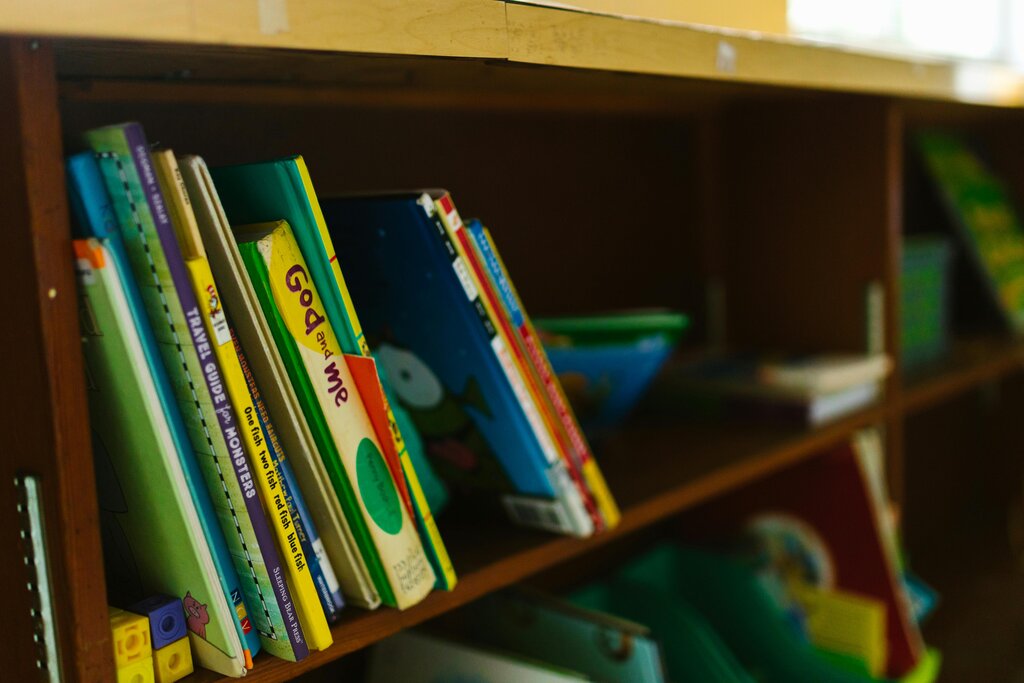
Successful children's books, regardless of genre, share a few key traits. They feature a protagonist the child can root for, a clear and engaging plot, and a theme that resonates with a child's experience of the world. The language is direct and accessible without being condescending.
A good children's book respects its reader, no matter how young. It never talks down to them.
Pictures Worth a Thousand Words
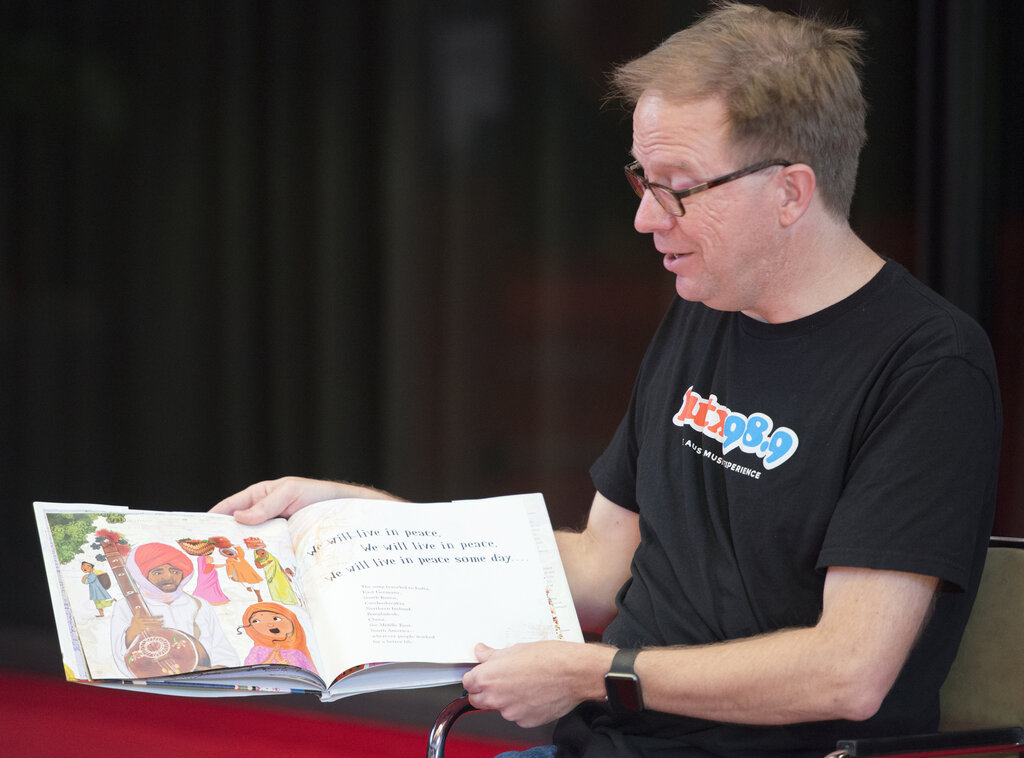
In many children's books, especially for younger readers, illustrations aren't just decorations—they are a core part of the storytelling. They work with the text to create a complete experience.
Illustrations can:
- Set the tone: The style and color palette of the art can immediately tell a reader if the story is funny, quiet, or adventurous.
- Add information: Sometimes the pictures tell a part of the story that the words don't. A character's facial expression or a detail in the background can add layers of meaning.
- Help with comprehension: For early readers, pictures provide crucial clues to help them decode unfamiliar words. They see a picture of a cat and can more easily read the word "cat."
In the best picture books, the text and images are so intertwined that it's impossible to imagine one without the other. They form a duet, with each one making the other stronger.
Let's check your understanding of these fundamental concepts.
A 7-year-old is a confident reader who enjoys stories with simple chapters and is building their vocabulary. Which book category is most suitable for them?
Which genre of children's literature is characterized by believable characters and situations that mirror the real world?
Understanding these building blocks—age categories, genres, and the role of illustrations—is the first step toward appreciating the craft of children's literature.