Crafting Chatbot Personalities
Understanding Chatbot Fundamentals
What is a Chatbot?
At its core, a chatbot is a computer program you can talk to. Its main purpose is to simulate human conversation through text or voice commands. Think of it as an automated assistant that can answer your questions, help you find information, or even complete tasks for you, like booking an appointment or checking an order status.
You've likely encountered them on retail websites asking, "How can I help you today?" or as a voice assistant on your phone. They are designed to make interactions with technology more natural and efficient, providing instant responses without needing a human on the other end.
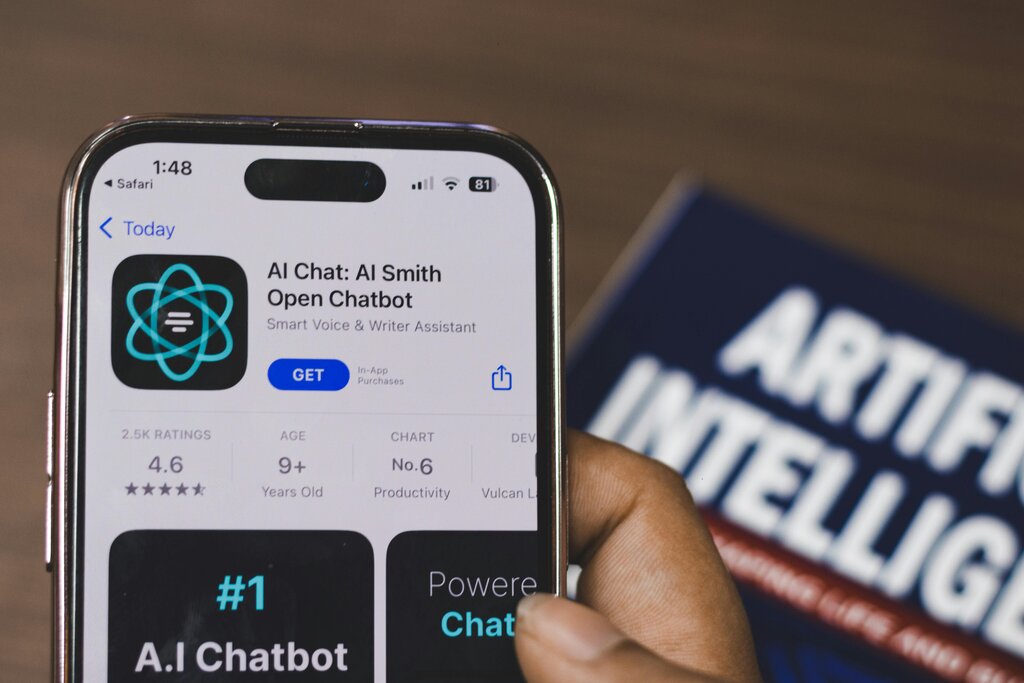
Two Flavors of Chatbot
Not all chatbots are created equal. They generally fall into two main categories: rule-based and AI-driven.
A rule-based chatbot operates on a strict script. It's like a flowchart; it follows a set of predefined rules and can only respond to specific commands or keywords. If you ask a question it hasn't been programmed to answer, it will likely respond with something like, "Sorry, I don't understand."
An AI-driven chatbot is much more sophisticated. Instead of just following a script, it uses artificial intelligence to understand, process, and respond to human language in a more flexible and natural way. These are the bots that can handle a wide variety of questions, learn from conversations, and provide more personalized interactions.
The magic behind the more advanced AI bots lies in a combination of powerful technologies.
Natural Language Processing
noun
A field of artificial intelligence that enables computers to understand, interpret, and generate human language.
Natural Language Processing, or NLP, is the key ingredient. It gives chatbots the ability to read text, hear speech, interpret it, measure sentiment, and figure out what parts are important. It's how a bot can understand that "book a flight" and "I need to fly" mean the same thing.
Machine learning is the other critical component. It allows chatbots to learn from data and improve over time. Every conversation a bot has provides more data, which a machine learning model can use to get better at understanding and generating appropriate, helpful responses. The more it interacts, the smarter it gets.
A Brief History
The idea of talking to a machine is not new. The journey began with very simple, rule-based programs.
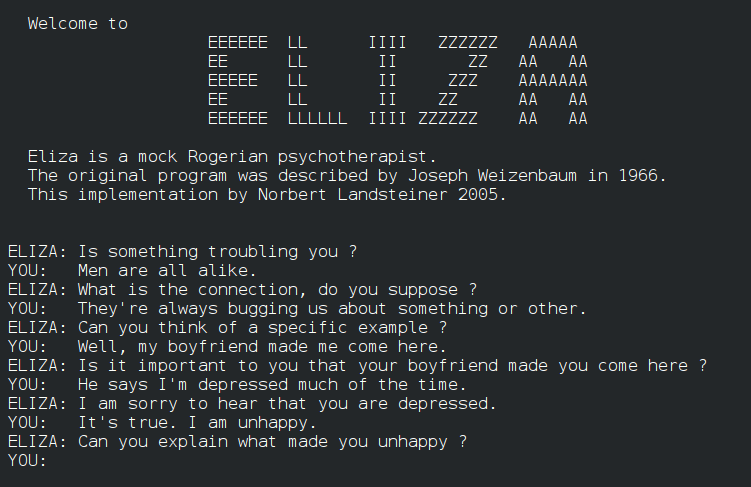
One of the earliest and most famous chatbots was ELIZA, created in the mid-1960s. ELIZA acted as a psychotherapist, mostly by rephrasing the user's statements as questions. It was a simple trick, but it was surprisingly effective at creating the illusion of understanding.
For decades, chatbots remained fairly simple. But with the rise of the internet, massive amounts of data, and breakthroughs in machine learning, everything changed. In the 2010s, AI assistants like Siri and Alexa brought conversational AI into our homes. More recently, the development of large language models (LLMs) has led to incredibly powerful chatbots like ChatGPT, which can write essays, generate code, and hold remarkably coherent conversations on almost any topic.
Chatbots at Work
Today, chatbots are used across nearly every industry for a huge range of tasks. Their ability to provide instant, 24/7 support makes them incredibly valuable.
| Industry | Common Use Case |
|---|---|
| E-commerce | Answering product questions, tracking orders |
| Healthcare | Scheduling appointments, answering symptom questions |
| Banking | Checking account balances, reporting lost cards |
| Travel | Booking flights and hotels, providing travel alerts |
| Education | Tutoring students, answering course questions |
By handling routine and repetitive queries, chatbots free up human agents to focus on more complex problems. This improves efficiency for businesses and often provides a faster, more convenient experience for customers. From simple FAQs to complex problem-solving, chatbots are now a fundamental part of how we interact with the digital world.
Now, let's test your understanding of these core concepts.
What is the primary purpose of a chatbot?
A chatbot that can only respond to a specific set of commands and follows a predefined script is known as a(n) _____ chatbot.
You've now got a solid foundation in what chatbots are, how they work, and where they came from. These concepts are the building blocks for understanding the more advanced conversational AI that is rapidly changing our technology.