Crafting an FMCG Space Planning Manifesto
Introduction to Space Planning
The Science of the Shelf
Space planning is the art and science of organising a retail space to boost sales and improve the customer experience. For a Fast-Moving Consumer Goods (FMCG) company, this isn't just about making shelves look neat. It's about strategically placing products to guide customer choices, manage inventory, and maximize profitability for every square metre of floor space.
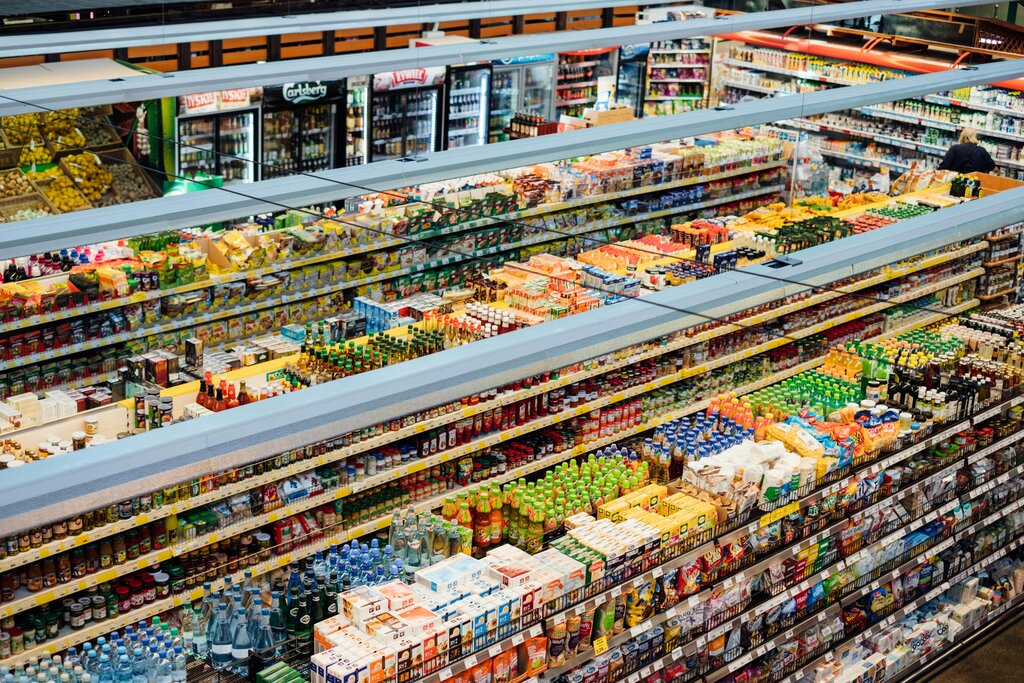
Think about your last trip to a major Australian supermarket. You probably noticed that certain brands are always at eye level, while others are on the top or bottom shelf. That's not an accident. It’s the result of careful space planning. Efficient use of space ensures that popular items are easy to find, new products get seen, and the overall flow of the store feels logical and effortless for shoppers.
The Planogram Blueprint
The core tool of space planning is the planogram. A planogram is a detailed diagram, essentially a blueprint, that shows exactly where every product should be placed on a shelf. It dictates the number of facings (how many of a single product are visible), the specific shelf height, and the arrangement of neighbouring products.
Following a planogram ensures consistency across all stores in a chain. A customer in Sydney should have a similar, predictable shopping experience to one in Perth. For the company, it means new promotions can be rolled out efficiently and stock levels can be managed more effectively, reducing the chance of empty shelves or overstocked items.
How Shelf Space Drives Sales
The allocation of shelf space has a direct and powerful impact on sales and customer behaviour. Products placed at eye level (often called the 'bull's-eye zone') sell significantly better than those placed on higher or lower shelves. This prime real estate is typically reserved for best-selling products or brands that have paid a premium for the placement.
Another strategy is 'brand blocking,' where a range of products from the same brand are grouped together. This creates a strong visual impact on the shelf, making the brand appear more dominant and making it easier for loyal customers to find what they're looking for. The amount of space a product gets and its position relative to competitors can be the difference between a sale and a missed opportunity.
Ultimately, strategic space planning makes the shopping journey simpler for the customer and more profitable for the business.
Now that you understand the basics, let's check your knowledge.
What is the primary goal of space planning for a Fast-Moving Consumer Goods (FMCG) company?
A detailed diagram or blueprint that shows exactly where every product should be placed on a shelf is called a ________.
Understanding these core concepts is the first step in mastering the retail environment.