Crafting a Winning Pitch Deck
Understanding Pitch Decks
What Is a Pitch Deck?
A pitch deck is a short presentation that gives a quick overview of your business plan. Think of it as a visual story that introduces your company, explains the problem you solve, and shows why you're a good investment. It’s usually presented in slide format, like PowerPoint, Keynote, or Google Slides.
A pitch deck is a brief presentation with visual elements that you use to provide a quick overview of your business plan to potential investors.
The main goal of a pitch deck isn't to get a check on the spot. It's to spark interest and secure the next meeting. You want to give investors enough information to make them curious and want to learn more. It's the first step in a longer conversation.
The Key Ingredients
Every great pitch deck tells a compelling story. While the exact order can vary, most successful decks include these core components to guide investors through your vision.
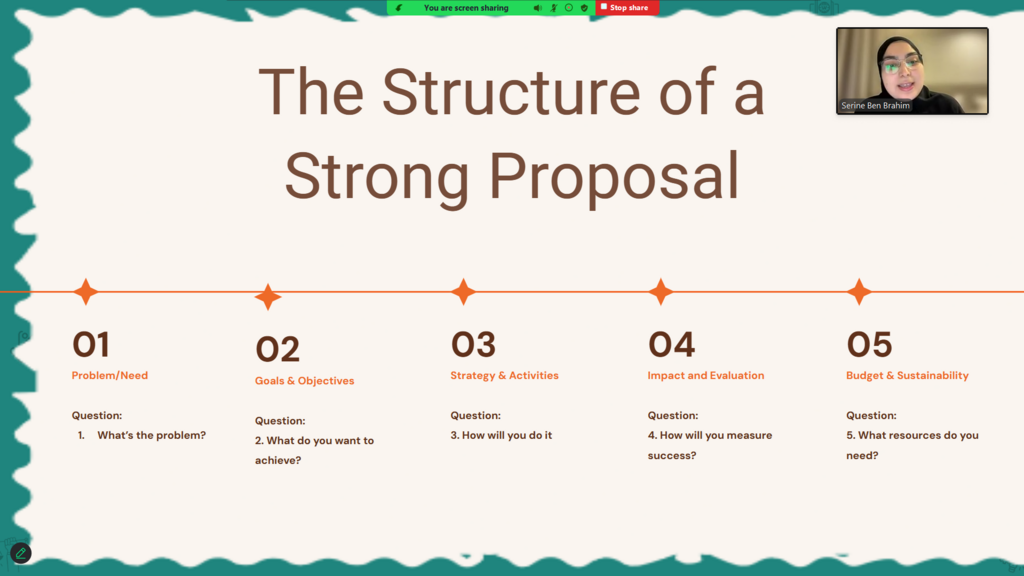
1. The Problem: Start by clearly defining the pain point you're addressing. What problem exists in the world that people will pay to solve? Make it relatable and demonstrate a real need.
2. Your Solution: This is where you introduce your product or service. Explain how it solves the problem you just described. Keep it simple and focus on the core value you provide to customers.
3. Market Opportunity: Show investors the size of the opportunity. How many people have this problem? How big is the market in terms of potential revenue? This helps them understand the scale of your ambition.
4. Business Model: How do you make money? Is it a subscription service, a one-time purchase, or an ad-based model? Be clear about your pricing and revenue streams.
5. The Team: Introduce the key people behind the company. Highlight their relevant experience and explain why they are the right team to execute this vision. Investors bet on people as much as ideas.
6. Financial Projections: Provide a high-level overview of your finances. This usually includes key metrics like projected revenue, expenses, and growth over the next 3-5 years. The goal is to show you've thought about the numbers, not to present a complex spreadsheet.
7. The Ask: End by stating exactly what you need. How much funding are you seeking, and what major milestones will that capital help you achieve? Be specific about how the money will be used, such as for hiring, marketing, or product development.
Make It Count
A common mistake is creating a single, generic pitch deck and sending it to everyone. Different investors care about different things. An early-stage angel investor might focus more on the team and the idea, while a later-stage venture capital firm will want to see proven traction and detailed financial data.
Before you send your deck, research your audience. Understand their investment history and what they look for in a company. Tailoring your message shows that you’ve done your homework and respect their time.
Tailor the deck’s content to what investors care about most—market potential, scalability, and return on investment.
Above all, your pitch deck must be clear and concise. Investors are busy and review countless decks. They don't have time to decipher a cluttered or confusing presentation. Use simple language, powerful visuals, and keep your text to a minimum. Each slide should communicate one main idea.
A good rule of thumb is the 10/20/30 rule, popularized by venture capitalist Guy Kawasaki: 10 slides, delivered in 20 minutes, using a 30-point font. While you don't have to follow it exactly, it’s a great reminder to keep your pitch brief, focused, and easy to read.
What is the primary goal of a pitch deck when presenting to investors?
Which of the following is NOT considered a core component of a successful pitch deck?
A well-crafted pitch deck is a powerful tool. It’s your chance to make a strong first impression and open the door to the resources you need to grow.