Crafting a Winning Pitch Deck
Understanding Pitch Decks
What's a Pitch Deck?
A pitch deck is a short presentation that gives your audience a quick overview of your business plan. Think of it as a visual story that introduces your idea, whether you're talking to potential investors, partners, or internal leaders. It's usually created with software like PowerPoint, Keynote, or Google Slides.
Its main job isn't to answer every possible question or close a deal on the spot. The goal is much simpler: to spark interest and secure the next conversation. It’s the movie trailer for your business—it shows the best parts and leaves the audience wanting to know more.
A great pitch deck is clear, compelling, and concise. It respects the audience's time by getting straight to the point.
Why It Matters
For an entrepreneur seeking startup funding, a pitch deck is the key that can unlock the first door. Investors receive hundreds of pitches, so a strong deck is essential to stand out. It's your first chance to make a good impression and show that you have a credible plan worth their time and money.
But the deck’s value isn't just external. The process of creating one forces you to refine your ideas. Boiling down your entire business into a handful of slides makes you clarify your strategy, understand your market, and define your goals. It’s a powerful exercise in strategic thinking.
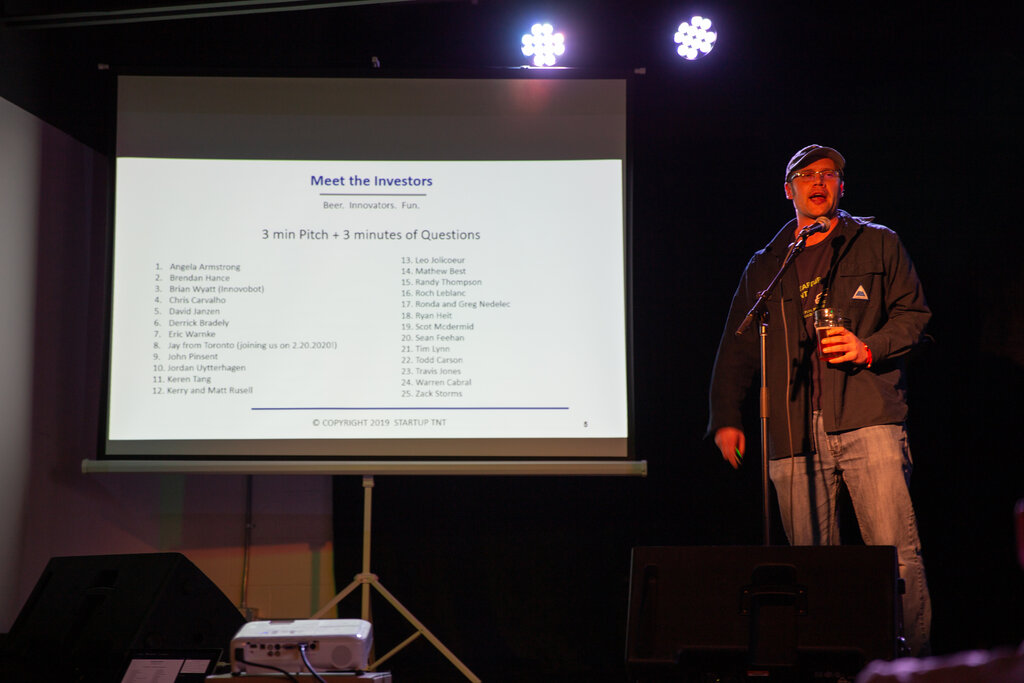
A perfect pitch — more specifically, a perfect pitch deck — can mean all the difference for a founder looking for funding.
The Core Ingredients
While every pitch deck is unique, successful ones almost always cover the same fundamental topics. These are the building blocks that tell your complete story.
- Problem: What clear, significant pain point are you solving for customers?
- Solution: How does your product or service fix this problem in a unique way?
- Market: Who are your customers? How big is the opportunity?
- Product: How does your product work? Show, don't just tell.
- Team: Who are the people behind the idea, and why are they the right ones to make it succeed?
- Business Model: How will the company make money?
- The Ask: What do you need—funding, resources, approval—and how will you use it?
Different Decks for Different Rooms
Not all pitches happen in the same context, so your deck might need to change depending on the audience and setting.
The “Read-Ahead” Deck: This version is sent over email. It needs to stand on its own, with enough text to be understood without you there to narrate. It's often slightly more detailed than a presentation deck.
The “Presentation” Deck: This is the one you use when you're speaking live. It should be highly visual, with minimal text. The slides support your spoken story; they don't contain it. The focus is on you, the presenter.
The “One-Pager”: While not a deck, this is a related, condensed summary of your business plan that fits on a single page. It's a great leave-behind or a quick intro for someone with very little time.
Knowing these basics is the first step. A well-crafted pitch deck is a powerful tool for turning a great idea into a real venture.