Crafting a Winning Pitch Deck
Understanding Pitch Decks
What's a Pitch Deck?
A pitch deck is a brief presentation, usually a set of slides, that provides a quick and compelling overview of your business plan. Think of it as a visual story that introduces your idea, your business, and your vision to potential investors, partners, or internal stakeholders.
pitch deck
noun
A brief presentation that provides a quick overview of a business plan to potential investors or stakeholders.
Its main goal isn't to answer every possible question or close a deal on the spot. Instead, it's designed to spark interest and secure the next conversation. It’s the hook that gets you in the door.
The purpose of a pitch deck isn’t to raise money - it’s to pique an investor’s interest to secure the next meeting.
Whether you're an entrepreneur seeking seed funding from investors or an employee proposing a new project to your boss, a well-crafted pitch deck is your essential tool for communicating your idea clearly and persuasively.
The Core Ingredients
Every great pitch deck tells a story. It’s not just a collection of facts and figures; it's a narrative that guides your audience from a problem to a solution. While the exact order can vary, every deck needs to cover a few fundamental elements to be effective.
Your deck should tell a cohesive story, showing how your idea is solving a real problem, how your team is capable of executing the solution, and how you plan to grow the business.
Your story must address these core questions:
Touching on each of these points creates a complete picture, showing that you've thought through not just the idea, but the business itself.
Know Your Audience
A common mistake is to create a single, generic pitch deck and send it to everyone. The most effective pitches are tailored to the specific audience you're presenting to. What a venture capitalist cares about might be different from what an internal department head needs to know.
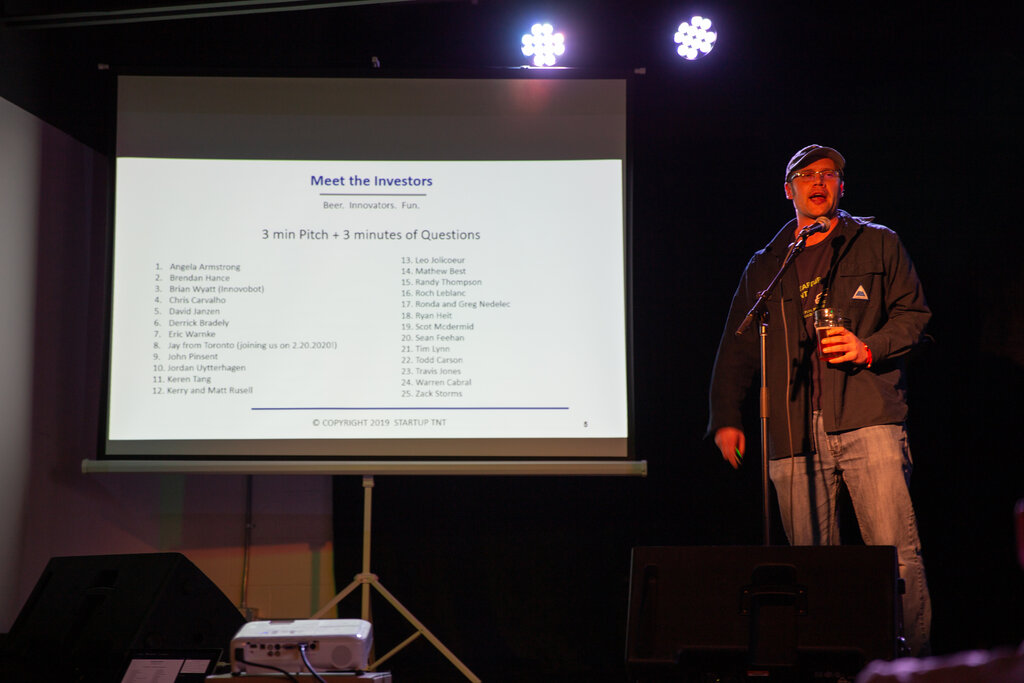
Before you present, ask yourself: Who am I talking to, and what do they care about most? Adjust the emphasis of your story accordingly.
| Audience | Primary Focus |
|---|---|
| Venture Capitalists (VCs) | Scalability, market size, potential for 10x return |
| Angel Investors | The founding team, the mission, early traction |
| Internal Stakeholders | Alignment with company goals, budget, resource needs |
| Potential Partners | Synergies, mutual benefits, go-to-market strategy |
Common Pitfalls to Sidestep
Creating a pitch deck is as much about avoiding mistakes as it is about including the right information. A few common errors can quickly derail an otherwise promising pitch.
Too Much Text: Your slides are a backdrop, not a script. Use them for visuals, keywords, and data points. If your audience is reading your slides, they aren't listening to you. Keep it concise.
The best decks are visually clean and easy to scan. They support the speaker, they don't replace them.
A Meandering Story: A pitch deck needs a clear, logical flow. Don't jump between topics randomly. Guide your audience through the narrative: start with the problem, introduce your solution, and build your case from there. A confusing story is an unconvincing one.
Finally, avoid getting bogged down in technical jargon or unnecessary details. Focus on the big picture. Your goal is to convey the opportunity and your ability to capture it, not to explain every single feature. Save the deep dive for the follow-up meeting you're trying to land.
What is the primary goal of a pitch deck?
When creating a pitch deck, you should use one generic version to send to all potential investors to save time.