Crafting a Winning Business Plan
Introduction to Business Plans
What is a Business Plan?
Think of a business plan as a roadmap. Before you start a long road trip, you probably check a map. You figure out your destination, the best route to get there, and maybe even where you'll stop for gas and food. A business plan does the same for your business.
A business plan is essentially a roadmap for your business — outlining your goals, strategies, market analysis and financial projections.
It's a formal document that lays out your business goals and your detailed plan for achieving them. It covers everything from your marketing and sales strategies to your financial forecasts. This document isn't just for you; it's a way to communicate your vision to others, like potential investors or partners.

Why Bother Writing One?
Creating a business plan might seem like a lot of homework, but it's one of the most important things you can do for your new venture. The act of writing the plan forces you to think critically about every aspect of your business. You'll uncover potential problems, spot new opportunities, and make crucial decisions before you've spent a single dollar.
While writing a business plan is certainly helpful, the real value is not in having the finished product in hand, but rather in the process of researching and thinking about your business in a systematic way, according to Victor Kwegyir, founder and CEO of Vike Invest, a U.K.-based business consultancy.
Beyond the strategic thinking it inspires, a business plan has two major practical purposes.
First, it's often essential for securing funding. If you want to get a loan from a bank or attract investment from venture capitalists, they will want to see a detailed plan. It shows them you've done your research and have a viable path to profitability.
Second, it serves as your guide. Once your business is up and running, the plan helps you stay focused on your goals and measure your progress. It's a living document that can help you make smarter decisions as you grow and face new challenges.
Two Flavors of Business Plan
Not all business plans look the same. They generally fall into two categories: traditional and lean startup.
| Type | Description | Best For |
|---|---|---|
| Traditional | A comprehensive, highly structured document that can be dozens of pages long. It covers every business section in depth. | Seeking funding from banks or traditional investors. Businesses that require a lot of detail and long-term planning. |
| Lean Startup | A high-level, one-page summary that focuses on key elements. It's quick to create and easy to update. | Startups using the lean methodology, testing ideas quickly, or when a full plan isn't required. Internal planning. |
The traditional plan is what most people picture. It's thorough and detailed, which is exactly what lenders want to see. It takes more time to write, but it leaves no stone unturned.
The lean startup plan is more like a sketch. It uses a framework, often a one-page template like the Business Model Canvas or Lean Canvas, to quickly outline the most critical assumptions of the business. This format is popular with modern tech startups because it's flexible and allows for rapid changes as the business idea evolves.
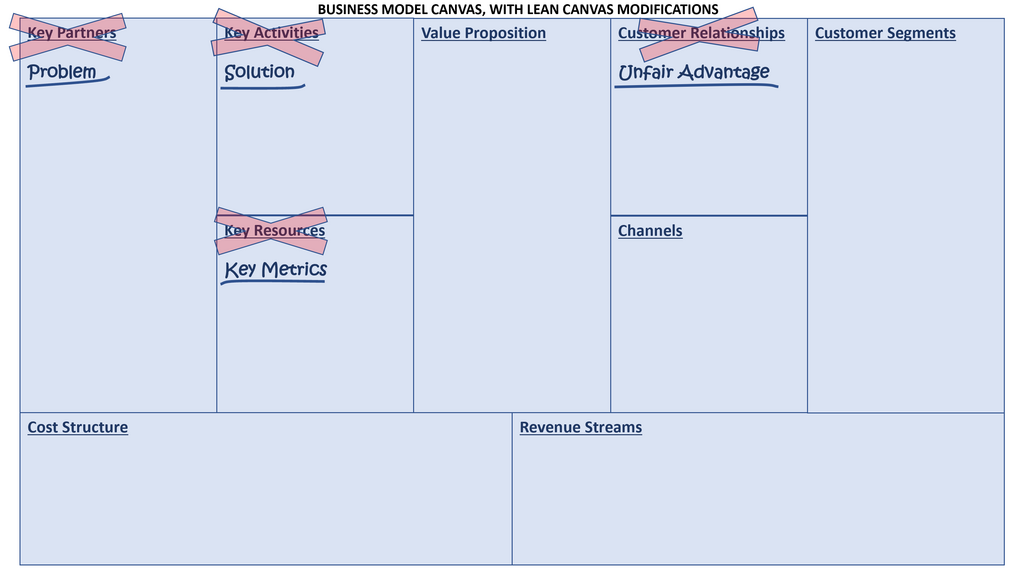
Choosing the right format depends on your audience and your goals. Are you trying to get a small business loan? Go traditional. Are you and your co-founder just trying to hash out your initial idea? A lean plan is probably a better use of your time.
According to the text, the act of writing a business plan primarily helps an entrepreneur to:
Which type of business plan is described as being more like a sketch, flexible, and ideal for rapid changes?