Crafting a Captivating Voice
Vocal Anatomy
Your Vocal Instrument
Speaking is a bit like playing an instrument. But instead of a guitar or piano, you're using a complex system of muscles and cavities inside your own body. To understand how to use your voice effectively, it helps to first know the parts you're working with.
Think of your voice having three main components: a power source, a vibrator, and a resonator. Your lungs are the power source, providing the air. Your vocal cords act as the vibrator, creating the raw sound. And the spaces in your throat, mouth, and nose are the resonators, shaping that sound into your unique voice.
The Voice Box
The heart of your vocal instrument is the larynx, commonly known as the voice box. It's a structure made of cartilage located in your neck, sitting right on top of your windpipe (trachea). Its main job is to protect your airway, but it's also where sound is born.
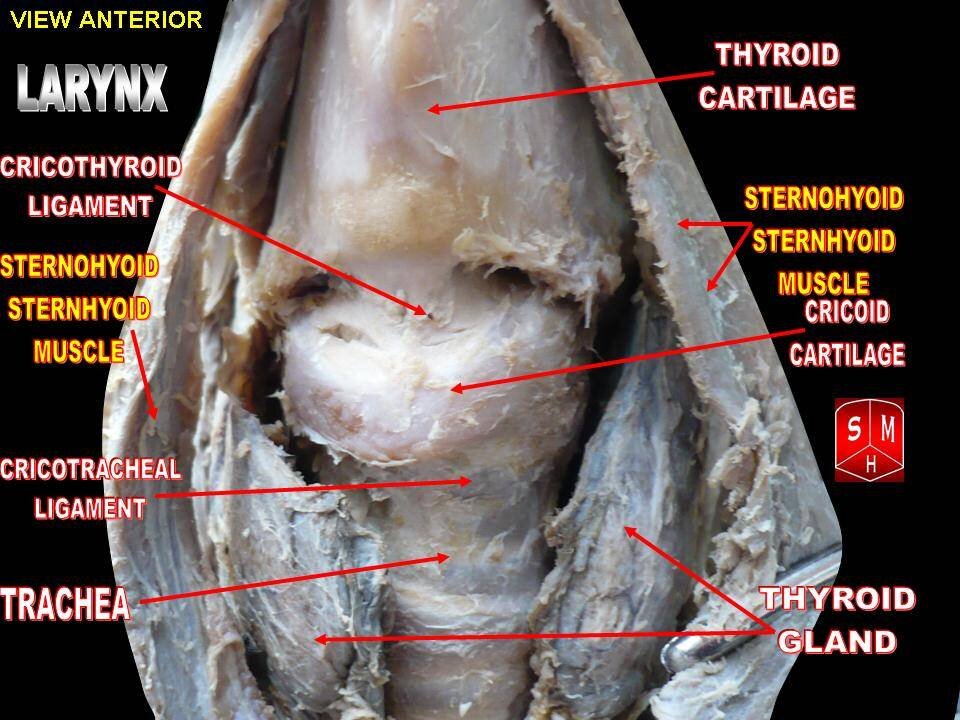
Inside the larynx are two small, elastic bands of muscle tissue called the vocal cords or vocal folds. When you breathe silently, these cords are open, creating a clear passage for air to move in and out of your lungs.
When you decide to speak, your brain sends a signal for the vocal cords to come together. As air from your lungs pushes through this narrowed opening, it causes the cords to vibrate rapidly. This vibration chops the steady stream of air into tiny puffs, creating a buzzing sound. This is the basic, raw sound of your voice.
larynx
noun
A hollow muscular organ forming an air passage to the lungs and holding the vocal cords; the voice box.
Making Sound Your Own
That initial buzz created by your vocal cords doesn't sound much like speech. It needs to be amplified and shaped. This happens in your resonating chambers: the throat (pharynx), the mouth (oral cavity), and the nasal cavity.
These spaces act like the body of a guitar or the bell of a trumpet. They take the raw vibration from the vocal cords and enrich it, giving it the unique tone and quality that makes your voice recognizable as yours.
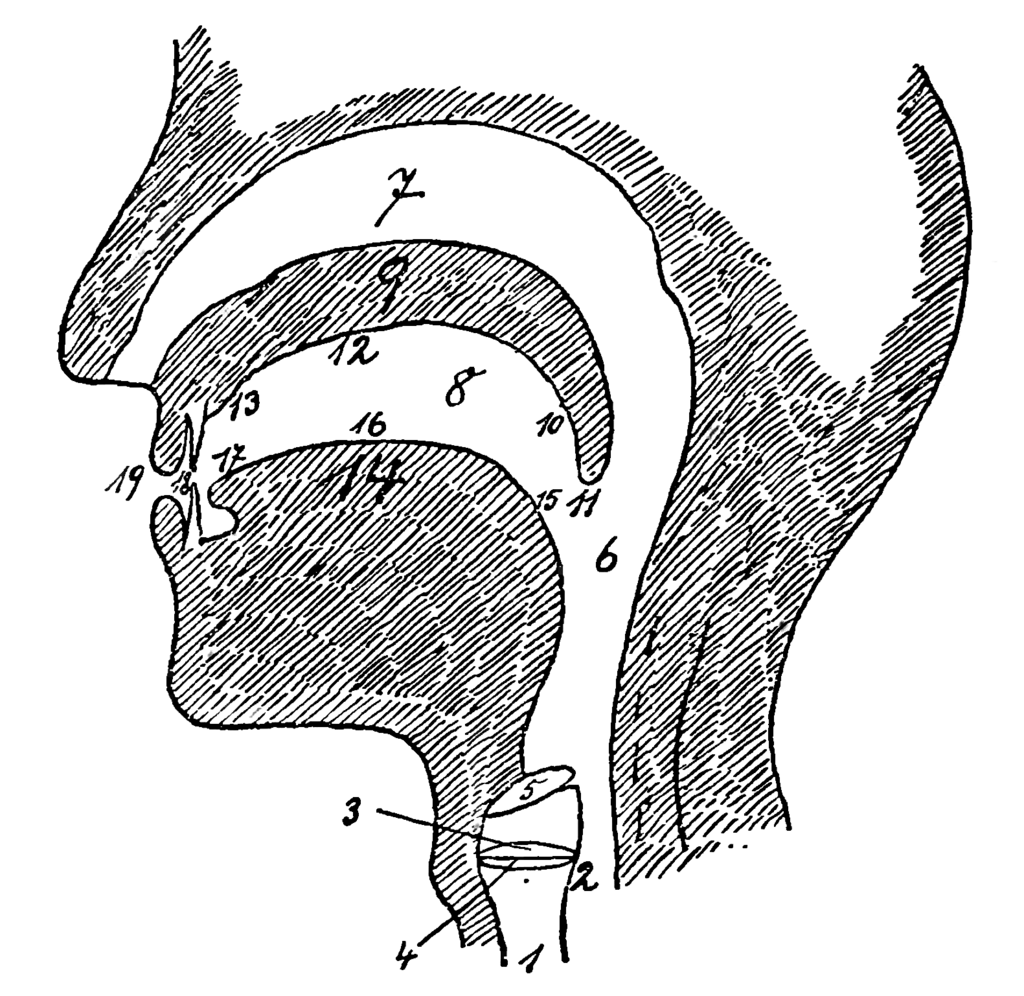
The shape of these cavities is not fixed. By moving your tongue, jaw, lips, and soft palate (the soft tissue at the back of the roof of your mouth), you change the shape of the resonating chambers. This is how you form different vowel sounds. An 'ee' sound uses a very different oral cavity shape than an 'oh' sound.
This interaction between the air from your lungs, the vibration of your vocal cords, and the shaping of the sound in your resonators is the fundamental mechanism of voice production.
Air from the lungs powers the voice. The vocal cords vibrate to create a raw buzz. The throat, mouth, and nose shape that buzz into your unique voice.
Now that you know the basic anatomy, let's check your understanding.
What is the primary power source for voice production?
The larynx, or voice box, contains two elastic bands of muscle tissue that vibrate to create sound. What are these called?
Understanding these parts is the first step. Next, we'll explore how to control them to improve your vocal quality.