Craft Your Lifebook
Understanding Lifebooks
What is a Lifebook?
Think about your life's story. It’s made of memories, big decisions, small moments, and lessons learned. But where does that story live? Most of us hold it in our heads, sharing bits and pieces with friends and family. A Lifebook gives that story a home.
A Lifebook is a comprehensive, personal document that captures your history, values, beliefs, and future aspirations.
It's more than a diary or a photo album. While a diary tracks daily events and an album collects snapshots, a Lifebook connects them. It explores the why behind your life's journey. It’s a space to reflect on where you've been, who you are right now, and where you want to go. You can think of it as an owner's manual for your life, written by you.
A Guide for Yourself and Others
The purpose of a Lifebook is twofold. First, it serves as a powerful tool for personal reflection. The act of creating it helps you uncover what truly matters to you. By writing down your core values and life vision, you create a compass to guide your decisions, both big and small.
Start by creating a “family constitution”. This document outlines your family’s values, mission, and long-term vision.
Second, it's a legacy. A Lifebook is one of the most meaningful gifts you can leave for future generations. It's a way to pass down not just family history, but your wisdom, your stories, and your unique perspective on the world. It tells your family who you were, what you stood for, and what you hoped for them.
Benefits of Looking Inward
The process of creating a Lifebook is often as valuable as the final document. It provides a structured way to think about your life, leading to several key benefits:
- Clarity and Self-Awareness: You gain a deeper understanding of your own motivations, strengths, and desires.
- Intentional Living: It helps you live more purposefully by aligning your daily actions with your long-term goals and values.
- Improved Decision-Making: When faced with a choice, you can consult your Lifebook to see which path best fits your personal vision.
- A Sense of Peace: Documenting your story can bring a sense of completion and acceptance, acknowledging all parts of your journey.
- A Lasting Connection: It creates a timeless bond with loved ones, who can learn from your experiences long after you've shared them.
What a Lifebook Can Be
There is no single right way to create a Lifebook. Its form is as unique as the person creating it. It's a personal project, not a rigid assignment.
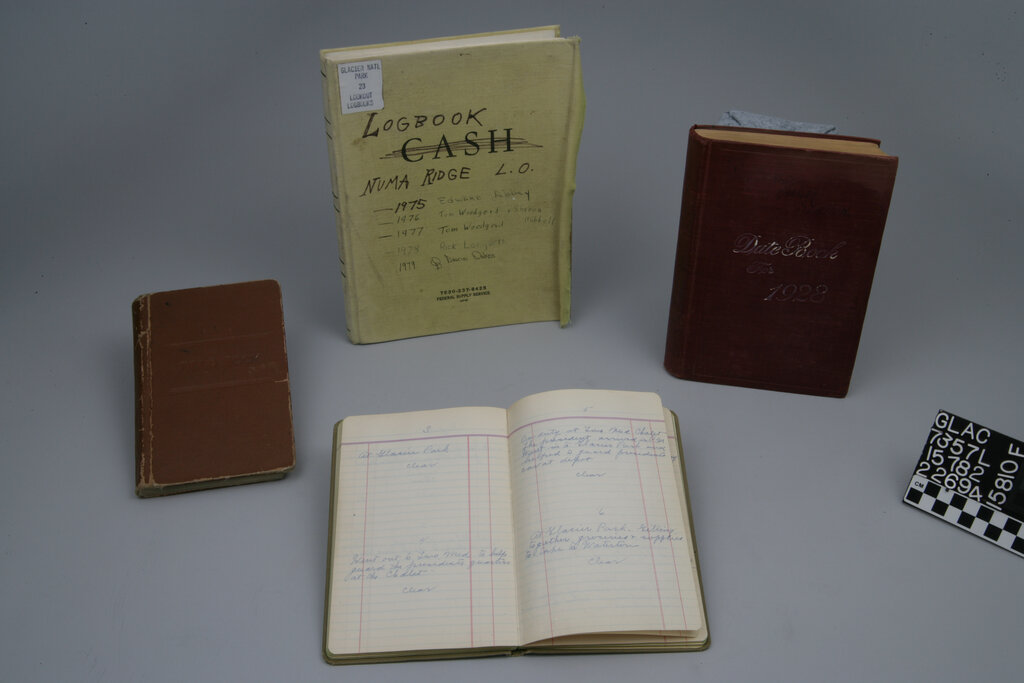
A Lifebook could be:
- A beautiful, leather-bound journal filled with handwritten entries.
- A digital document with text, photos, and links to videos.
- A scrapbook combining memorabilia with personal reflections.
- A series of recorded interviews with yourself or family members.
It can include anything that tells your story: a timeline of major life events, a statement of your personal values, letters to your children, your favorite recipes, or lessons you've learned from mistakes. The format doesn't matter as much as the content and the intention behind it.
Ultimately, a Lifebook is a living document. It's a dynamic expression of your values, aspirations, and guiding principles that you can add to throughout your life.
By documenting your journey, you not only preserve your legacy but also craft a clearer, more intentional path forward.