Craft Your Killer Elevator Pitch
Understanding Elevator Pitches
What's an Elevator Pitch?
Imagine you step into an elevator and find yourself next to a key investor or a potential boss. You have only the time it takes to get to their floor, maybe 30 to 60 seconds, to make an impression. What do you say? That brief, powerful summary of who you are and what you do is an elevator pitch.
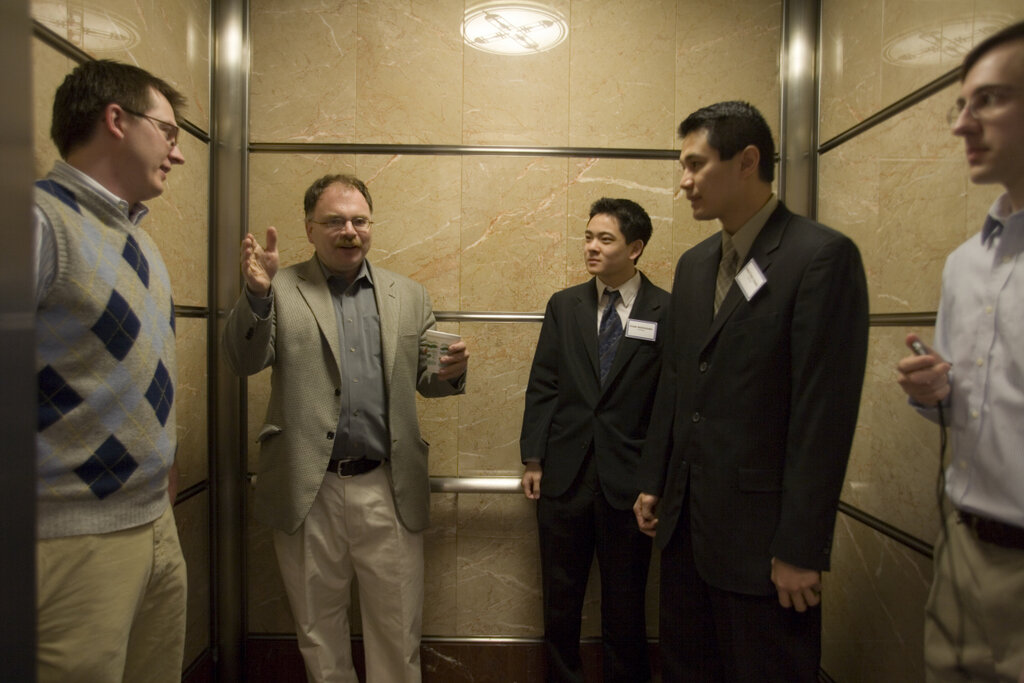
The goal isn’t to tell your entire life story or explain every detail of your business idea. The purpose is much simpler: to spark interest. A successful pitch grabs the listener's attention and makes them want to continue the conversation later. It’s an opening, not a closing.
An elevator pitch is a conversation, or an ice breaker, that will (hopefully) lead into a deeper dialogue about the functionality, and specialty, of what you and your company can offer.
The Core Components
A good pitch isn't just fast; it's also structured. While you can adapt it to different situations, most effective elevator pitches have three key parts that flow together logically.
Let's break these down:
-
Introduction: Start by saying who you are and what you do. This should be quick and clear, setting the stage for what comes next.
-
Value Proposition: This is the heart of your pitch. What problem do you solve, or what unique value do you offer? Explain what makes your idea, service, or skill special. Focus on the benefit to the listener, not just the features.
-
Call to Action: What do you want to happen next? This could be asking for a business card, scheduling a meeting, or getting feedback. A clear 'ask' tells the listener how they can continue the conversation.
Clarity Is Key
The biggest challenge of an elevator pitch is its brevity. Because you have so little time, every word counts. Avoid jargon, acronyms, and overly technical terms that might confuse your audience. The language should be simple, confident, and direct.
If you can't explain your idea to a ten-year-old, you probably don't understand it well enough yourself. Keep it simple enough for anyone to grasp.
Being clear and concise shows that you are organized and respect the other person's time. It makes your message more memorable and increases the chances that they'll say yes to your call to action.
When to Use a Pitch
While the name comes from an elevator ride, you'll use this skill in many different professional settings. It's a versatile tool for making connections.
| Scenario | Why it Works |
|---|---|
| Networking Events | Quickly introduce yourself to many people. |
| Job Interviews | Answer the classic "Tell me about yourself" question. |
| Investor Meetings | Hook investors with your big idea from the start. |
| Chance Encounters | Be prepared for unexpected opportunities anywhere. |
Having a polished elevator pitch ready means you're always prepared to seize an opportunity, whether it's planned or completely spontaneous. It's your professional introduction, ready to go whenever you need it.