Cracking the Code of Scientific Papers
Mastering IMRaD Structure
The IMRaD Roadmap
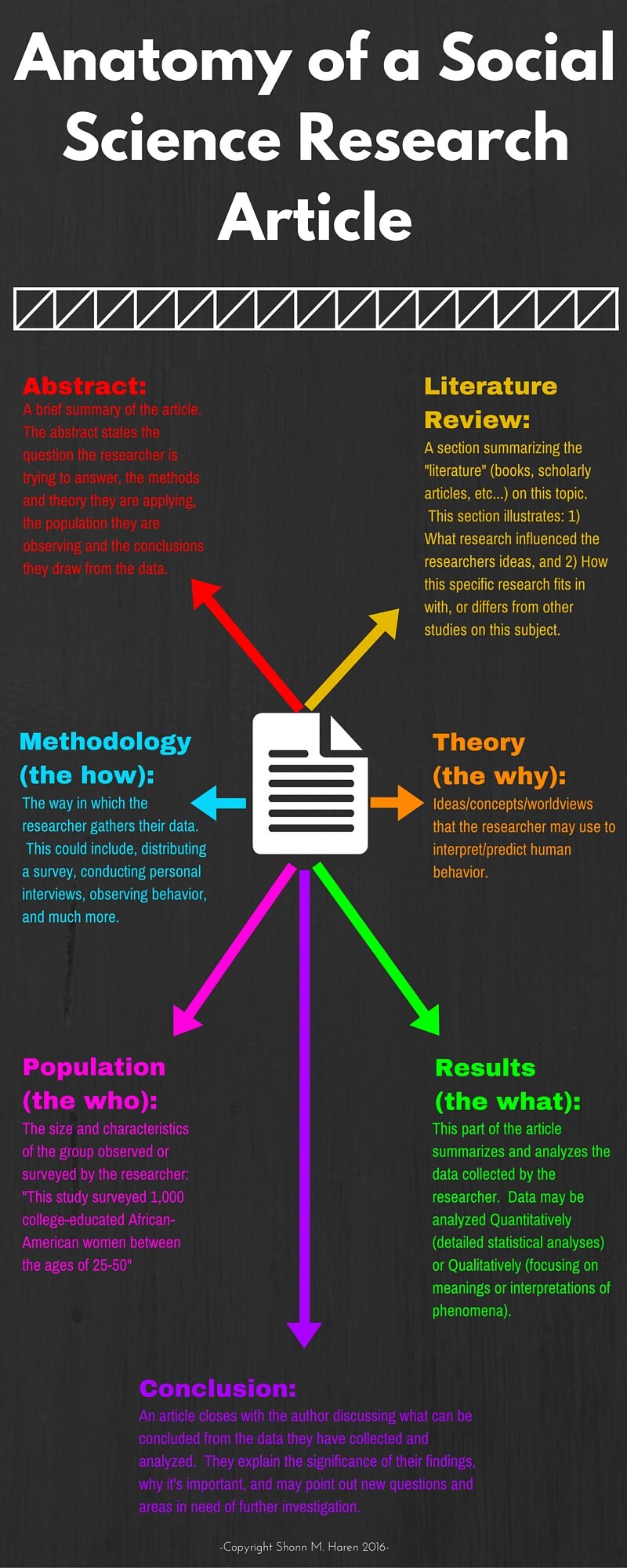
Scientific papers aren't just collections of facts; they tell a story. To make that story easy to follow, researchers use a standard structure called IMRaD. It’s an acronym for the four main sections of a primary research article: Introduction, Methods, Results, and Discussion.
Think of it as a universal blueprint. Once you understand the role of each section, you can navigate any research paper efficiently. You'll know exactly where to look for the research question, how the experiment was done, what the raw data says, and what the authors think it all means. This structure turns a dense, technical document into a predictable and digestible narrative.
Setting the Stage
The Introduction answers the question: Why did the researchers do this study?
It starts broad by providing the background information needed to understand the topic. It funnels down to summarize what's already known about the subject through a brief literature review, highlighting a specific gap in the current knowledge. Finally, it states the study's purpose, often in the form of a clear research question or hypothesis. This is the central problem the paper aims to solve.
A good introduction presents the problem and makes a compelling case for why it needs to be solved.
The Methods section is the technical core. It answers the question: How did they do it?
This is the recipe book for the study. It describes the experimental design, the participants or materials used, and the exact procedures followed. The goal is transparency and reproducibility. Another scientist should be able to read the methods section and replicate the study exactly. This is a cornerstone of the scientific process and a key focus in [{
Findings vs. Meaning
This is where many newcomers to scientific literature get tripped up. The Results and Discussion sections seem similar, but they serve very different functions.
The Results section answers: What did they find?
It presents the raw, objective findings of the study without any interpretation or explanation. This is pure data, usually shown in tables, charts, and graphs. The accompanying text simply describes the data, pointing out key numbers or statistical findings. For example, it might say, "Group A showed a 15% increase in X," but it won't explain why that might have happened.
The Discussion section, on the other hand, answers: So what?
Here, the authors interpret their findings. They explain what the results mean in the context of their original research question. They compare their findings to previous studies, discuss the limitations of their own work, and suggest what the broader implications might be. This is where the story comes full circle, connecting the data back to the big-picture problem introduced at the beginning.
The Executive Summary
Finally, almost every research paper begins with an . This is a condensed summary of the entire article, usually in 250 words or less. It follows a mini-IMRaD structure, briefly touching on the background (Introduction), what was done (Methods), the key findings (Results), and the main takeaway (Discussion).
For a busy researcher, the abstract is the first filter. It allows them to quickly grasp the paper's essence and decide if it's relevant enough to read in full.
Ready to test your understanding of this structure? Let's review the key terms before a quick quiz.
What does the acronym IMRaD stand for in the context of a scientific paper?
You are reading a paper and want to find the authors' interpretation of their findings and how they connect to the initial research question. In which section should you look?
Understanding the IMRaD format demystifies scientific papers. It gives you a reliable map to follow, no matter how complex the topic.