CPR and AED Essentials for Public Safety
Introduction to CPR and AED
When the Heart Stops
Sudden cardiac arrest is when the heart unexpectedly stops beating. This is different from a heart attack, where blood flow to the heart is blocked. In cardiac arrest, the heart's electrical system malfunctions, and it can no longer pump blood to the brain, lungs, and other organs.
This is where Cardiopulmonary Resuscitation, or CPR, comes in. CPR is a life-saving technique used when someone's breathing or heartbeat has stopped. It involves pushing hard and fast on the center of the chest to manually pump blood throughout the body. Think of it as taking over the heart's job temporarily, keeping vital organs supplied with oxygen-rich blood until professional help arrives or the heart can be restarted.
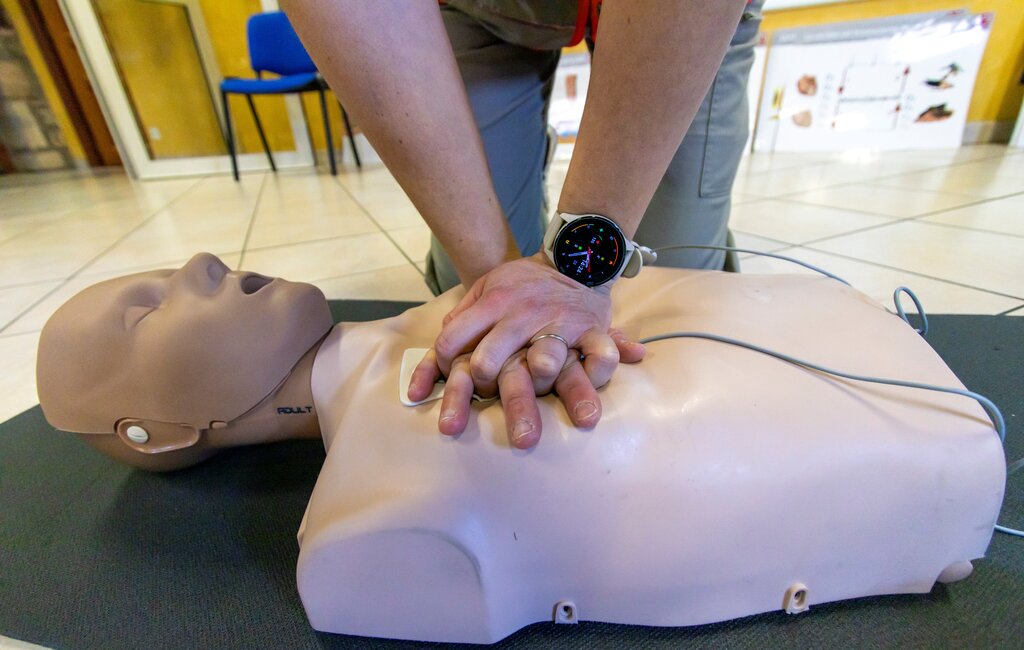
Without this intervention, a person's chance of survival drops dramatically with each passing minute.
Restarting the System
While CPR is essential for keeping blood flowing, it often can't restart a heart that has an electrical problem. That requires a controlled electrical shock, a process called defibrillation.
Defibrillation
noun
The use of an electrical shock to restore a normal heartbeat.
An Automated External Defibrillator (AED) is a portable, user-friendly device that delivers this shock. It's designed for people with no medical training. The device analyzes the heart's rhythm through pads placed on the chest and will only advise a shock if it detects a life-threatening electrical problem. If no shock is needed, it won't deliver one. This built-in safety feature makes it safe for anyone to use.
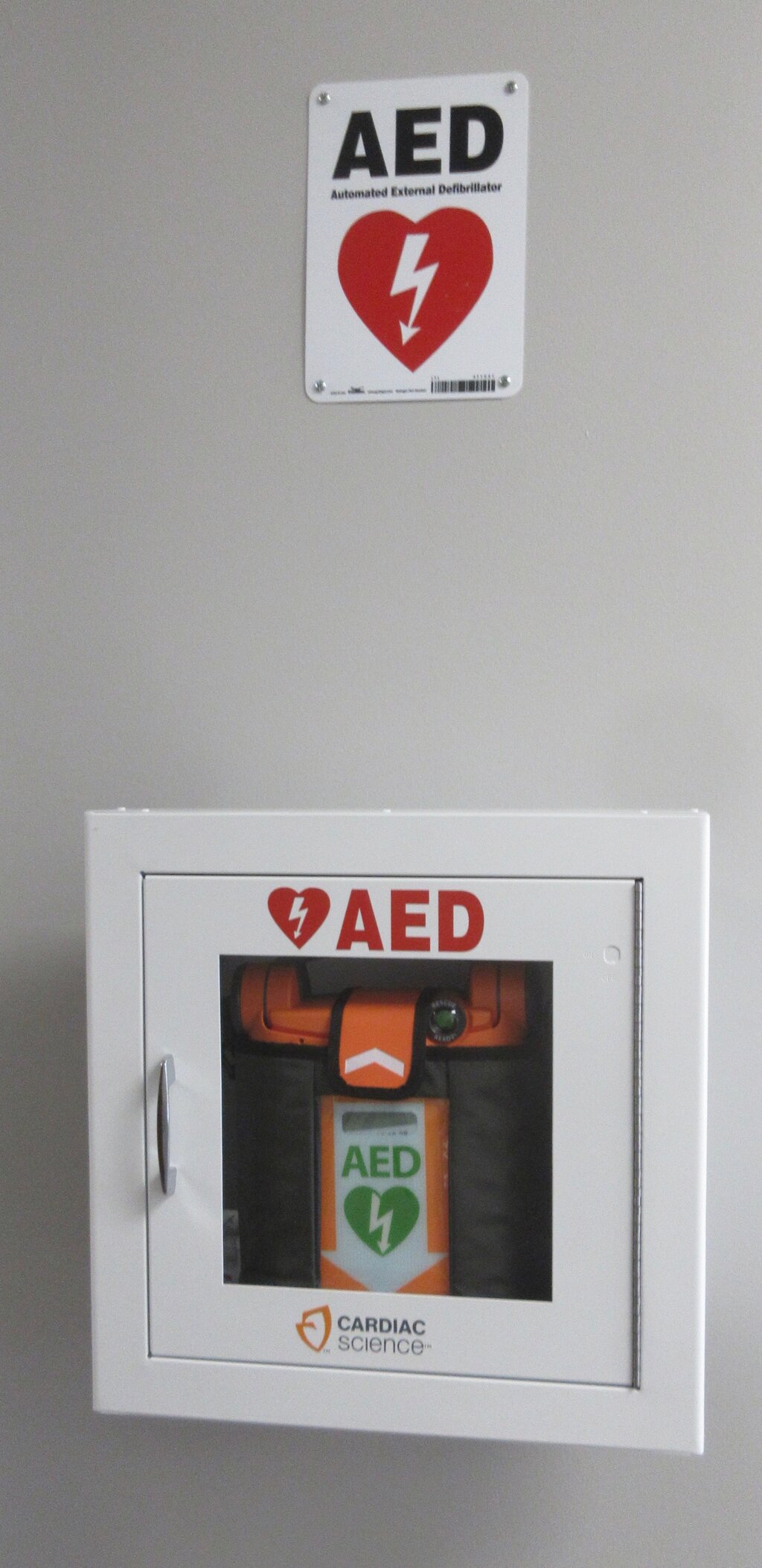
The combination of immediate CPR and early defibrillation is the most effective way to increase someone's chance of survival from sudden cardiac arrest.
The Chain of Survival
To be effective, these actions must happen in a specific sequence. Medical professionals call this the "Chain of Survival." Each link represents a critical action, and the chain is only as strong as its weakest link. For someone who is not a healthcare professional, the first three links are the most important.
The survival rate for out-of-hospital cardiac arrests is tragically low, often less than 10%. However, when a bystander performs CPR and uses an AED before emergency medical services arrive, the person's chance of survival can double or even triple. Every second counts.
Good Samaritan Laws
Many people hesitate to help in an emergency, fearing they might do something wrong or be held legally responsible. To encourage bystanders to act, all 50 U.S. states and many countries have "Good Samaritan" laws.
These laws provide legal protection to people who give reasonable assistance to those who are injured, ill, in peril, or otherwise incapacitated. As long as you act in good faith and are not willfully negligent or reckless, these laws are designed to protect you from liability. The goal is simple: to encourage people to help others in an emergency without fear.
By the end of the session, participants gained a deeper appreciation of how early response can mean the difference between life and death — a lesson that goes beyond the classroom and into their homes and communities.
Now that you understand the why, you're ready to learn the how. Let's test your knowledge on these core concepts.
What is the primary malfunction in the body during a sudden cardiac arrest?
The main purpose of performing CPR is to restart the heart's natural electrical rhythm.