CPG Industry Analysis for Economists and Financial Analysts
Introduction to CPG Industry
What Are CPGs?
Think about the items you use every day without much thought. The cereal you ate for breakfast, the soap you used in the shower, the paper towels you used to clean up a spill. These are all consumer packaged goods, or CPGs. They are the products we buy regularly, use up, and then buy again.
Consumer-packaged goods (CPGs) are products that are sold quickly at relatively low cost and are used by consumers on a daily basis.
The key characteristics are high volume and low cost. Companies in this industry rely on selling a massive number of units because the profit margin on any single item, like a can of soup or a bottle of shampoo, is relatively small. This model works because of the sheer scale and the constant, recurring demand from households everywhere.
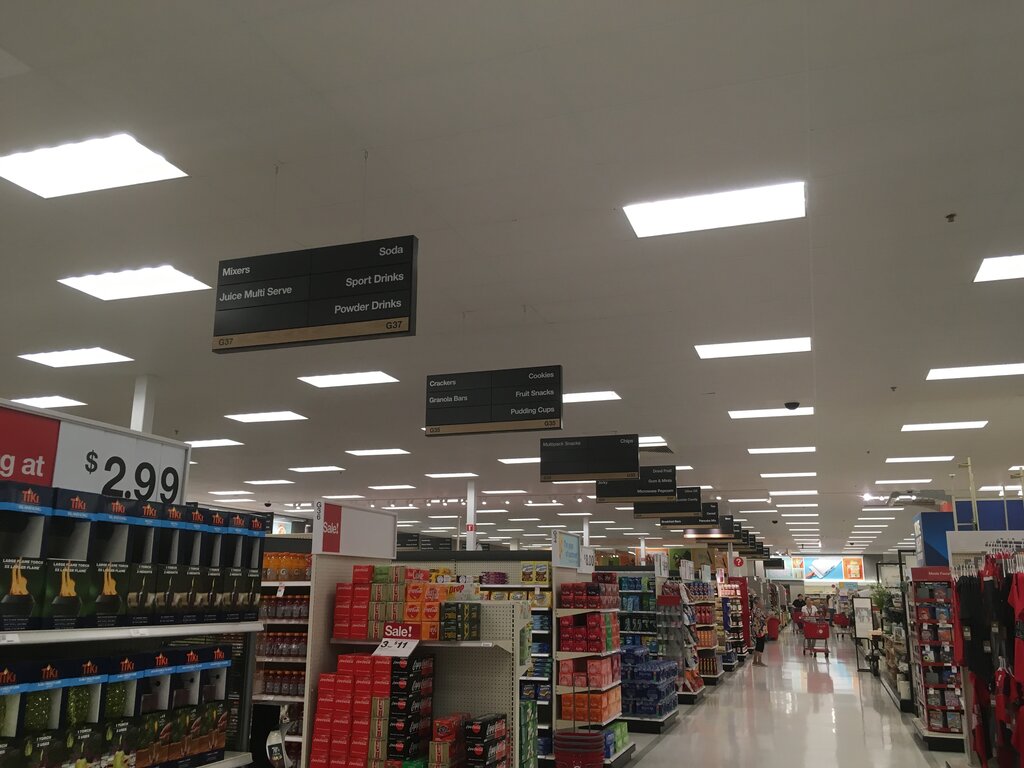
The Main Categories
The CPG industry is vast, but most products fall into a few broad categories. Each category represents a significant portion of an average person's daily consumption and household budget.
| Category | Description | Examples |
|---|---|---|
| Food & Beverages | Edible goods and drinks sold in packages. | Cereal, snacks, soda, coffee, frozen meals |
| Personal Care | Products used for hygiene and grooming. | Shampoo, toothpaste, deodorant, cosmetics |
| Household Goods | Non-food items for home maintenance. | Laundry detergent, cleaning sprays, paper towels |
While these are the main pillars, the CPG sector also includes things like over-the-counter medicines, pet food, and tobacco products. The common thread is that they are all non-durable goods meant for frequent consumption and replacement.
A Shifting Landscape
For decades, the CPG industry was relatively stable. Big, established brands dominated supermarket shelves, and consumer habits changed slowly. That's no longer the case. The industry is now defined by rapid change, driven by technology and evolving consumer expectations.
The rise of e-commerce and a greater focus on health, sustainability, and transparency are forcing CPG companies to rethink how they operate.
The internet has completely upended the traditional path to purchase. Before, brands competed for limited shelf space in physical stores. Now, the shelf is endless. Anyone can launch a new product and sell it directly to consumers online, bypassing traditional retailers entirely. This has opened the door for countless smaller, niche brands to challenge the industry giants.
The accessibility of internet over mobile devices has led to an overdrive in CPG e-commerce.
At the same time, what consumers want is changing. People are more conscious of the ingredients in their food, the environmental impact of their cleaning supplies, and the ethical practices of the companies they support. Price and convenience still matter, but they are no longer the only factors. Consumers increasingly want products that align with their personal values, whether that means organic ingredients, sustainable packaging, or cruelty-free testing.
This new environment presents both challenges and opportunities. Large, established companies must become more agile to compete with nimble startups. They face pressure to reformulate products, redesign packaging, and communicate more transparently with their customers. For new entrants, the barriers to entry are lower than ever, but cutting through the noise of a crowded online marketplace is a major hurdle. Success in today's CPG industry requires a deep understanding of these shifting dynamics.
Time to check your understanding of the CPG industry.
What are the two key characteristics that define most consumer packaged goods (CPGs)?
According to the text, what is the most significant way the internet has disrupted the traditional CPG industry?
Understanding the fundamentals of the CPG sector is the first step for anyone looking to analyze this dynamic and essential part of the global economy.