CPA Designation Explained
Introduction to CPA
What Is a CPA?
The Certified Public Accountant, or CPA, is the highest standard of competence in the accounting profession in the United States. It's more than just a title; it's a professional license that signifies a deep understanding of accounting principles and a commitment to a strict code of ethics.
A certified public accountant is a licensed financial professional who provides a range of accounting services, including tax preparation, financial reporting, auditing, and strategic advising.
Think of a CPA as the financial equivalent of a doctor or lawyer. When you see those three letters after an accountant's name, it means they have met rigorous educational and experience requirements and have passed a demanding national exam. This process ensures they are qualified to handle complex financial matters and, most importantly, to protect the public interest.
The certified public accountant (CPA) license is a symbol of trust.
A Brief History
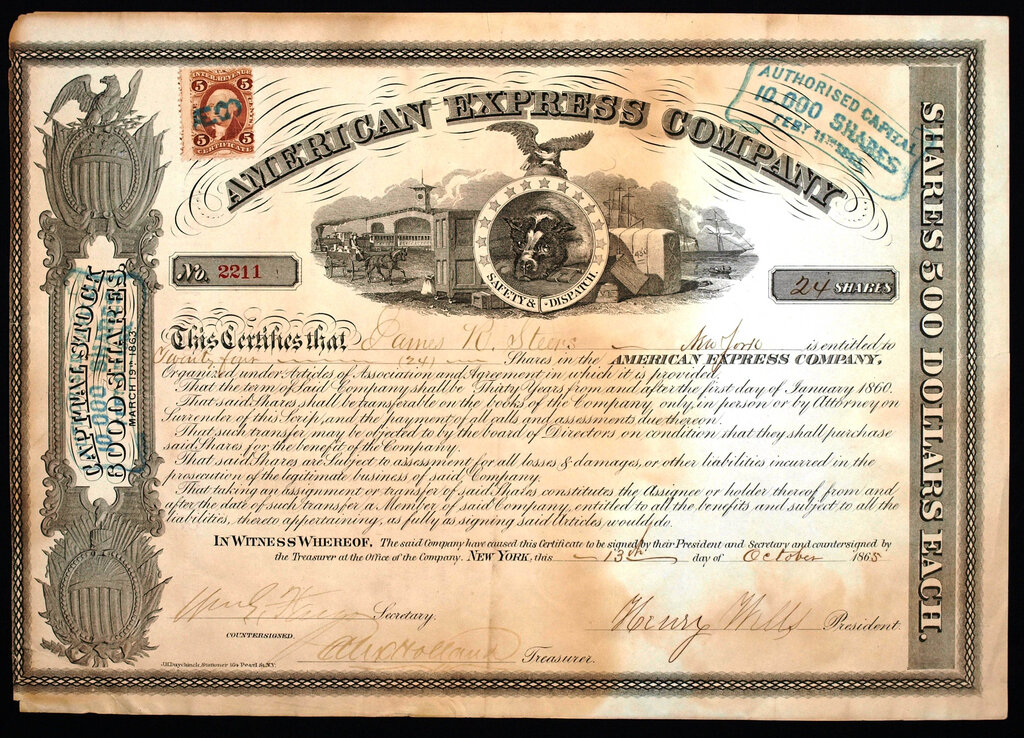
The accounting profession as we know it began to take shape during the Industrial Revolution. As businesses grew larger and more complex, there was an increasing need for reliable financial information. Investors and creditors needed assurance that a company's financial statements were accurate.
In response, New York State passed the first law recognizing the CPA designation in 1896. This landmark legislation created a standard for professional accountants, establishing requirements for education, experience, and a qualifying exam. The goal was to build public trust in financial reporting by ensuring that only qualified individuals could call themselves Certified Public Accountants.
Other states soon followed New York's lead, and by the 1920s, all states had similar laws in place. This created a unified, respected profession dedicated to upholding financial integrity.
What CPAs Actually Do
CPAs are not just tax preparers, though many do specialize in tax. Their expertise is valuable across every sector of the economy. They work in public accounting firms, for large corporations, small businesses, government agencies, and non-profit organizations. Their responsibilities can range from auditing financial statements to advising on major business decisions.
| Sector | Key Responsibilities |
|---|---|
| Public Accounting | Auditing financial statements, tax preparation, consulting services for clients. |
| Corporate Accounting | Managing a company's finances, internal auditing, financial planning, and analysis. |
| Government | Overseeing government agency finances, investigating financial crimes (forensics). |
| Non-Profit/Education | Managing budgets and financial reporting for charities, universities, and hospitals. |
The Organizations Behind the License
While the CPA license is granted by individual state boards of accountancy, two national organizations play a critical role in maintaining the standards of the profession.
AICPA
noun
The American Institute of Certified Public Accountants. It's the world's largest member association representing the accounting profession. The AICPA develops and grades the CPA Exam and sets ethical standards for the profession through its Code of Professional Conduct.
NASBA
noun
The National Association of State Boards of Accountancy. NASBA serves as a forum for the 55 state and jurisdictional boards of accountancy. It oversees the administration of the CPA Exam, ensuring a consistent process for candidates nationwide.
These two organizations work together with the state boards to ensure that the CPA license remains the profession's gold standard. The AICPA creates the exam content, while NASBA and the state boards handle the logistics of who can take it and who gets licensed.
Now that you understand the what and why behind the CPA designation, let's test your knowledge.
The first law recognizing the CPA designation in the United States was passed in which state and year?
What is the primary goal of the CPA designation as established by legislation?