COVID-19 Vaccine Efficacy and Safety Metrics
Introduction to Vaccine Effectiveness
Efficacy vs. Effectiveness
When a new vaccine is developed, its first major test is a clinical trial. In these controlled settings, scientists measure its vaccine efficacy. This tells us how well the vaccine prevents disease under ideal conditions, with carefully selected participants and strict protocols.
Vaccine efficacy answers the question: "Does this vaccine work in a perfect world?"
But the real world isn't a clinical trial. Once a vaccine is approved and rolled out to the general public, we need to know how it performs in everyday life. This is called vaccine effectiveness. It measures the vaccine's performance in a diverse, messy population with varying ages, health conditions, and behaviors.
Think of it like this: Efficacy is a sports car’s top speed on a closed racetrack with a professional driver. Effectiveness is how that same car handles your daily commute through traffic, potholes, and bad weather. Both numbers are important, but they tell you different things.
Why Real-World Data Matters
Measuring vaccine effectiveness is crucial because it gives public health officials a realistic picture of how well a vaccine is protecting a community. Clinical trials often exclude people with certain health conditions or those in specific age groups. Real-world data includes everyone.
This information helps us understand if the protection we saw in trials holds up over time and across different groups of people. Are older adults getting the same level of protection as younger people? Does the vaccine work as well in people with chronic illnesses? Answering these questions is impossible without studying effectiveness.
Factors That Influence Effectiveness
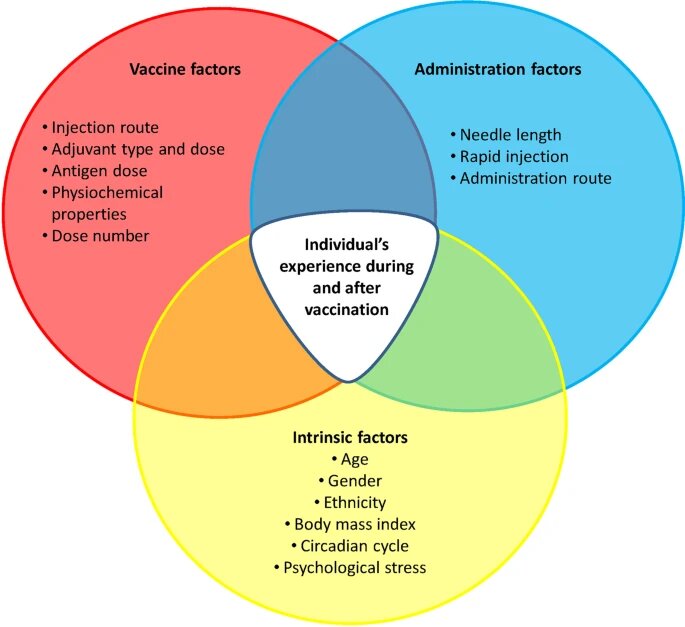
The difference between efficacy and effectiveness comes down to a handful of real-world variables. These can be grouped into three main categories.
1. Population Factors: People are diverse, and so are their immune systems. A person's age, underlying health issues (like diabetes or heart disease), and even their prior exposure to other germs can change how they respond to a vaccine. A healthy 20-year-old might mount a stronger immune response than an 80-year-old.
2. Pathogen Characteristics: Viruses and bacteria are constantly evolving. A new variant or strain of a pathogen might emerge that is different enough from the one the vaccine was designed to fight. This can reduce how effective the vaccine is at preventing infection or severe disease.
3. Vaccine-Related Factors: How a vaccine is handled from the factory to the clinic matters. Factors like maintaining the correct storage temperature (the "cold chain") and administering the shot correctly can impact its performance. The timing of doses, such as the interval between a first and second shot, also plays a role.
Guiding Public Health
Data on vaccine effectiveness is the bedrock of sound public health policy. When health officials see that a vaccine's effectiveness is waning over time or against a new variant, they might recommend a booster dose.
Effectiveness studies also help determine which vaccines work best for specific groups. This allows for targeted vaccination campaigns to protect the most vulnerable people in a population. By continuously monitoring how vaccines perform in the real world, we can adapt our strategies to keep communities as safe as possible.

Let's review the key terms we've just covered.
Now, check your understanding of these concepts.
What is the primary distinction between vaccine efficacy and vaccine effectiveness?
A new flu vaccine is given to 10,000 volunteers in a carefully monitored study where participants are randomly assigned to receive either the vaccine or a placebo. Researchers track them for one flu season. This study is designed to measure the vaccine's __________.
Understanding vaccine effectiveness helps us see how science translates from the lab to our daily lives, forming a critical link in the chain of public health.