Covered Calls Investing UK
Introduction to Options
What Are Options?
An option is a financial contract that gives the buyer the right, but not the obligation, to buy or sell an underlying asset at a specified price on or before a certain date. Think of it like putting a deposit down on a house. You pay a small fee to lock in the price for a set period. If you decide to buy, you exercise your right. If you change your mind, you only lose the deposit, not the full house price.
In the world of trading, the underlying asset is often a stock, the specified price is called the strike price, and the certain date is the expiration date. The fee you pay for this right is known as the premium.
Premium
noun
The price an investor pays for an option contract.
Calls and Puts
Options come in two basic types: calls and puts. They're opposites, but the core idea of having a right, not an obligation, is the same.
A call option gives you the right to buy an asset at the strike price. You'd buy a call if you believe the asset's price is going to rise.
For example, let's say shares of a company are trading at £100. You think the price will go up soon. You could buy a call option with a strike price of £110 that expires in one month. If the share price jumps to £120 before the month is over, you can exercise your option to buy the shares at £110, which is cheaper than the market price.
A put option gives you the right to sell an asset at the strike price. You'd buy a put if you believe the asset's price is going to fall.
Imagine the same £100 stock. This time, you're worried the price will drop. You could buy a put option with a strike price of £90, expiring in one month. If the share price falls to £80, you can exercise your option and sell the shares for £90, which is more than the current market price.
| Option Type | Your Expectation | Your Right |
|---|---|---|
| Call | Price will go up | To buy at the strike price |
| Put | Price will go down | To sell at the strike price |
Options in Action
Let’s look at how the profit and loss works for a simple call option. Suppose you buy one call option contract for XYZ plc. Each contract typically represents 100 shares.
- Underlying Stock: XYZ plc
- Current Share Price: £45
- Option Type: Call
- Strike Price: £50
- Expiration: 30 days
- Premium: £2 per share, or £200 for the contract (100 shares x £2)
You've paid £200 for the right to buy 100 shares of XYZ at £50 each. For this trade to be profitable, the stock price needs to rise above £52. Why £52? Because you need to cover the £50 strike price plus the £2 premium you paid for the option. This is your break-even point.
If XYZ's price rises to £60 by the expiration date, you can exercise your option. You buy 100 shares at £50 (£5,000 total) and can immediately sell them at the market price of £60 (£6,000 total). Your profit is £1,000, minus the £200 premium you paid. So, your net profit is £800.
But what if the price stays below £50? Your option expires worthless. You don't have to buy the shares, but you lose the £200 premium you paid. This is the most you can lose.
The UK Options Market
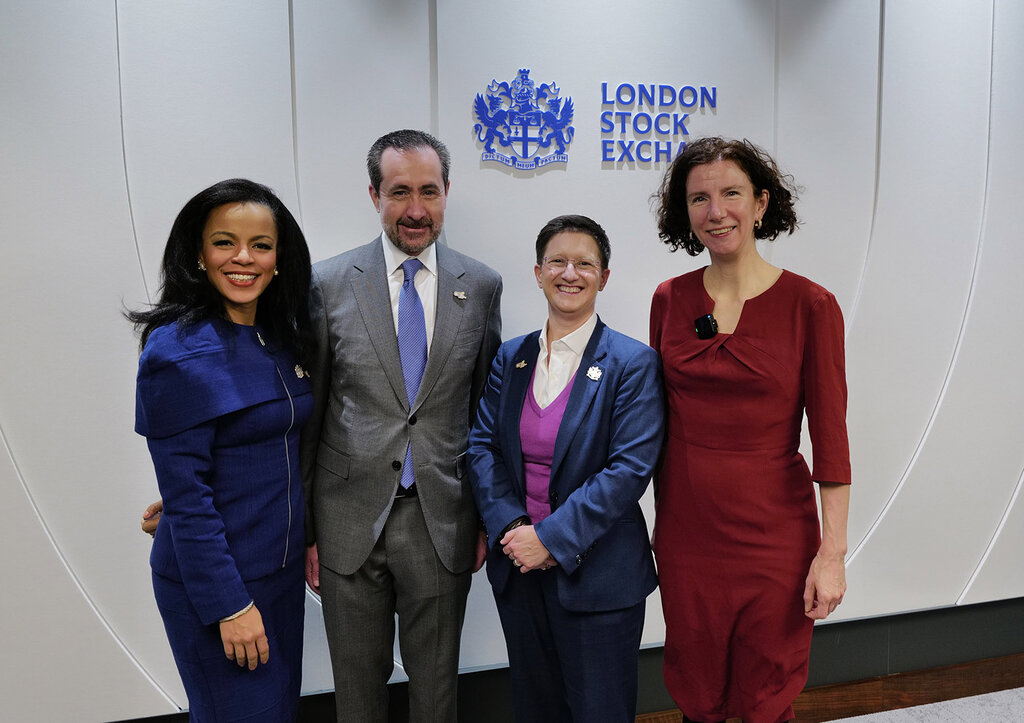
In the United Kingdom, options are traded on regulated exchanges. The primary venue for equity options is the London Stock Exchange (LSE), which provides access to options on many of the UK's leading companies, including those in the FTSE 100 index.
Another major player is ICE Futures Europe, which focuses more on futures and options for commodities like oil and gas, as well as interest rate and equity index products. Most individual investors in the UK access these markets through a licensed online brokerage firm. These platforms provide the tools to buy and sell options contracts directly.
Ready to check your understanding?
What is the primary characteristic of an options contract for the buyer?
An investor expects the price of a stock, currently trading at £60, to decrease in the near future. Which type of option would they most likely buy to profit from this belief?
Options offer a way to speculate on price movements or hedge existing investments. By understanding the basics of calls, puts, and contract mechanics, you can begin to see how they fit into the broader financial landscape.