Course Planning Essentials
Understanding Course Development Models
Frameworks for Building a Course
When you build a house, you start with a blueprint. When you create a course, you start with an instructional design model. These models are frameworks that guide you through the process, ensuring that what you create is logical, effective, and meets the needs of your learners. They provide a structured approach to a complex task.
Think of them as recipes. While an experienced chef might improvise, a recipe ensures all the necessary ingredients are included in the right order to produce a predictable result. Let's look at two of the most common frameworks in course development.
The ADDIE Model
The ADDIE model is one of the most well-known frameworks. It breaks down the development process into five distinct, sequential phases. The name itself is an acronym for these phases.
• Analyze • Design • Develop • Implement • Evaluate
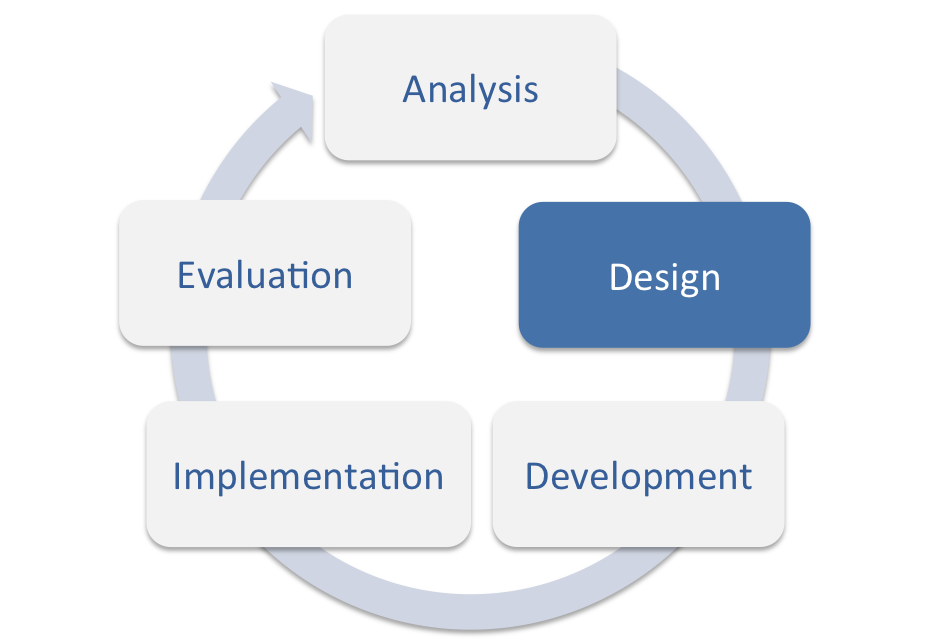
Here’s what happens in each phase:
-
Analysis: This is the research phase. You identify your audience, their existing knowledge, the learning environment, and what they need to be able to do by the end of the course. It's all about understanding the problem you're trying to solve.
-
Design: With your analysis complete, you create the blueprint for your course. This involves writing learning objectives, choosing instructional methods, and outlining the course structure and content flow.
-
Development: This is where you create the actual course materials. You write the text, record videos, build quizzes, and assemble all the content based on the design plan.
-
Implementation: The course goes live. You deliver the instruction to the learners, whether it's in a classroom, online, or through a blended format. This phase involves managing the learners and the learning environment.
-
Evaluation: How did it go? This phase measures the effectiveness of the course. Evaluation happens throughout the process (formative) and at the end (summative) to determine if the learning objectives were met and to gather feedback for improvements.
Traditionally, ADDIE is seen as a linear or “waterfall” process, where you complete one phase before moving to the next. However, many designers now use it more iteratively, circling back to earlier phases as needed.
Backward Design
Backward Design flips the traditional planning process on its head. Instead of starting with the content you want to teach, you start with the end goal. What do you want students to know and be able to do when they finish the course? You work backward from there.
One of the best ways to design your course is to use a “backward design” process.
This model has three main stages.
-
Identify Desired Results: You begin by defining the key understandings and skills students should possess by the end. These are your learning goals.
-
Determine Acceptable Evidence: Next, you figure out how you will know if students have achieved those goals. What assessments or tasks will demonstrate their understanding? This could be a project, a test, or a performance.
-
Plan Learning Experiences and Instruction: Only after you know your destination (the goals) and how you'll check for arrival (the assessment) do you plan the journey. Here, you select the content, activities, and teaching methods that will best prepare students for the assessment and help them achieve the desired results.
Which Model to Use?
ADDIE and Backward Design are not mutually exclusive; they simply have different focuses. ADDIE is a comprehensive project management model for the entire instructional design process, from initial research to final evaluation. Backward Design is a more focused framework specifically for curriculum planning.
Many designers use the principles of Backward Design within the Design phase of the ADDIE model. You can think of Backward Design as a philosophy for how to approach course design, while ADDIE provides the overarching steps to get it done.
| Feature | ADDIE Model | Backward Design |
|---|---|---|
| Focus | A complete process for development | A framework for curriculum design |
| Starting Point | Analysis of learners and needs | The desired end results or goals |
| Process | Typically linear (but can be iterative) | Non-linear, starts at the end |
| Best For | Large, formal projects with clear stages | Designing individual courses or units |
Choosing a model provides a roadmap. It helps ensure every piece of your course—every activity, every resource, every assessment—has a clear purpose that points directly toward the learning goals.
Ready to check your understanding of these frameworks?
Which phase of the ADDIE model involves creating the blueprint for a course, including writing learning objectives and outlining content flow?
The Backward Design model begins by selecting the content and activities you want to teach.
Both ADDIE and Backward Design are powerful tools. By understanding their structures and purposes, you can build more focused, coherent, and effective learning experiences.