Course Material Creation
Understanding Course Design
The Blueprint of Learning
Designing a course is like drawing a blueprint for a house. You wouldn't just start building without a plan. You'd first decide what the final house should look like and how it should function. The same principle applies to education. Effective course design starts with the end in mind: What should students know or be able to do when the course is over?
This approach is often called backward design. Instead of listing topics to cover and then creating tests, you start with the desired outcomes. Once you know the destination, you can map out the best route to get there. Every lecture, reading, and activity becomes a deliberate step on that path.
Create your course objective and goals: Start here before diving into your course content outline.
This principle of alignment is the cornerstone of good course design. It ensures that all components of the course work together toward a common purpose. When learning activities and assessments are directly linked to the learning objectives, students have a clear and logical path to success.
Your Course Syllabus
The syllabus is the single most important document you'll share with your students. It's more than just a schedule of topics and due dates. Think of it as a contract, a guide, and a reference tool all in one.
A well-structured syllabus sets clear expectations from day one. It tells students what the course is about, what they will learn, how they will be assessed, and what they need to do to succeed. This transparency builds trust and helps students feel more in control of their learning.
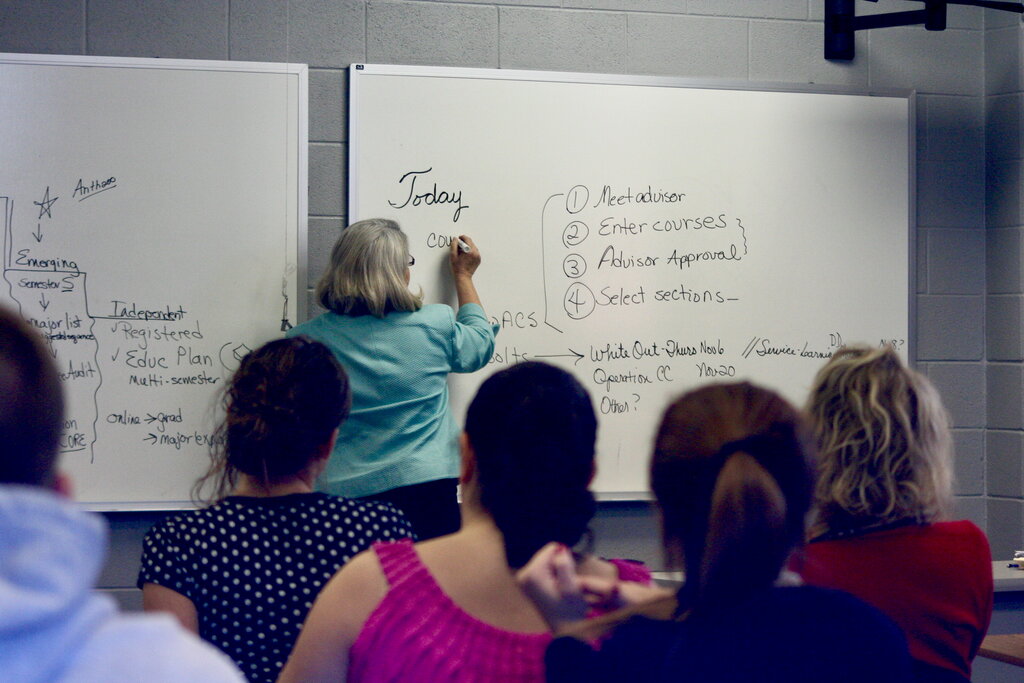
A good syllabus typically includes:
- Course Description: A brief overview of the course.
- Learning Objectives: A list of what students will be able to do by the end.
- Required Materials: Textbooks, software, or other resources.
- Schedule: A week-by-week plan of topics and assignments.
- Assessment Methods: How students will be graded (e.g., exams, papers, projects).
Defining the Destination
Learning objectives are the heart of your course design. They are clear, specific, and measurable statements that describe what students are expected to learn and be able to do. They shift the focus from what the instructor will cover to what the students will accomplish.
Without clear objectives, a course can feel like a random collection of information. With them, it becomes a purposeful journey. Think of the difference between being told to "learn about history" versus being told to "analyze the primary causes of the American Revolution."
A vague objective like "Understand photosynthesis" becomes a clear objective when rephrased as "Explain the chemical process of photosynthesis and identify its inputs and outputs."
These specific statements guide every other decision in your course. They determine which content is essential, what activities will best help students learn, and how you can accurately measure their understanding.
Creating Coherence
Once you have your learning objectives, the final step is to ensure all your course materials are coherent. This means that your readings, lectures, activities, and assignments all work together to support those objectives. Nothing should feel random or out of place.
If an objective is to have students "critique a scientific article," then the course must include materials on how to read scientific literature, activities where they practice this skill, and an assignment where they perform the critique. Every piece reinforces the others.
This logical structure makes the learning process more intuitive for students. They can see how each part of the course connects to the bigger picture, which makes the material more meaningful and easier to retain.
What is the first step in the "backward design" approach to course planning?
The principle of "alignment" in course design means that learning activities and assessments are directly linked to the learning objectives.
By focusing on these foundational principles—alignment, a clear syllabus, specific objectives, and coherent materials—you create a course that is not just a collection of information, but a structured and effective learning experience.