Counseling for Depression and Emotional Distress
Understanding Depression
More Than Just Sadness
Everyone feels sad sometimes. Sadness is a normal reaction to loss, disappointment, or difficult situations. It's a temporary feeling that comes and goes. Depression, however, is different. It's a persistent and pervasive mood disorder that affects how you feel, think, and handle daily activities.
Depression
noun
A mood disorder that causes a persistent feeling of sadness and loss of interest. Also called major depressive disorder or clinical depression, it affects how you feel, think and behave and can lead to a variety of emotional and physical problems.
Think of it like the weather. Sadness is like a rainy day—it might ruin your plans, but you know the sun will come out eventually. Depression is like a long, harsh winter. The cold and grayness settle in, making it hard to remember what warmth feels like. It's not something a person can just "snap out of."
Symptoms go far beyond a low mood. They can be emotional, physical, and cognitive, weaving their way into every part of a person's life.
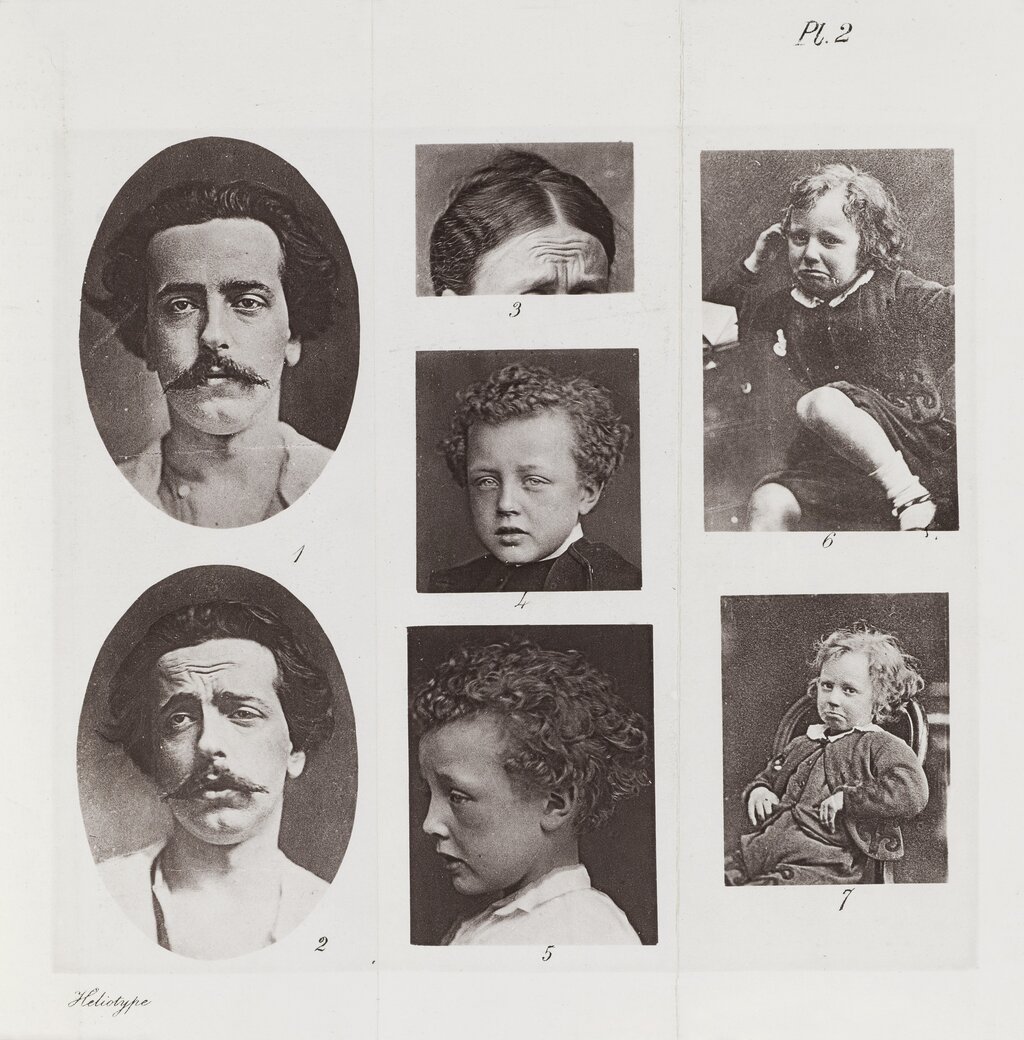
Common symptoms include persistent sadness, loss of interest in hobbies, changes in appetite or sleep, fatigue, feelings of worthlessness, and difficulty concentrating.
The Roots of Depression
There's no single cause of depression. Instead, it usually results from a complex combination of genetic, biological, environmental, and psychological factors. It's not a sign of weakness or a character flaw.
Biological Factors: Our brain chemistry plays a big role. Neurotransmitters—chemicals that carry signals between brain cells—can become imbalanced. Genetics are also a factor. If depression runs in your family, you may have a higher risk of developing it yourself.
Psychological Factors: Life experiences matter. Trauma, long-term stress, or a pessimistic outlook can contribute to the onset of depression. Personality traits, such as low self-esteem or being highly self-critical, can also make someone more vulnerable.
Social and Environmental Factors: Major life events, like the loss of a loved one, financial problems, or a difficult relationship, can trigger depression. A lack of social support or feeling isolated can make things worse.
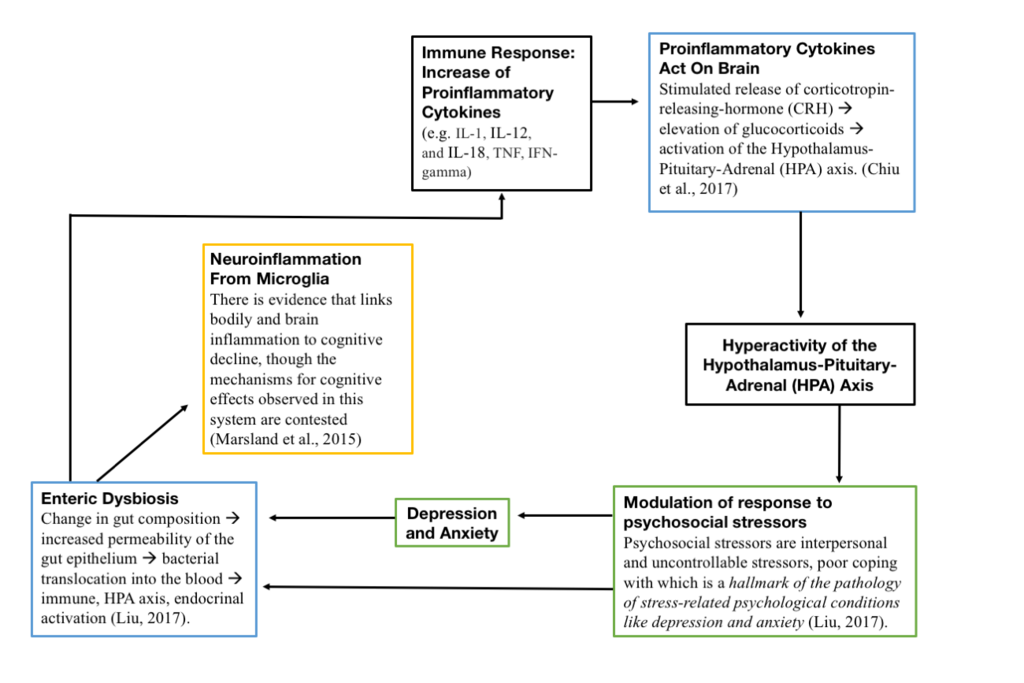
Imagine a chair. For it to be stable, all its legs need to be strong. If one leg (biology) is a bit short and another (environment) gets a hard knock, the whole chair can become wobbly and unstable. Depression works in a similar way; it's often multiple factors working together that lead to its development.
Different Shades of Blue
Depression isn't a one-size-fits-all condition. It comes in different forms, with symptoms that vary in severity and duration. Recognizing the specific type of depression is a key step for understanding and addressing it effectively.
Depression is a personal experience that may feel or look differently from person to person.
Here are a few common types:
| Type | Key Features |
|---|---|
| Major Depressive Disorder (MDD) | Characterized by one or more major depressive episodes, where symptoms are present most of the day, nearly every day, for at least two weeks. |
| Persistent Depressive Disorder (Dysthymia) | A chronic, long-term form of depression. The mood is low, but symptoms are often less severe than in MDD. Must last for at least two years. |
| Bipolar Disorder | A condition involving shifts in mood, from depressive lows to manic or hypomanic highs. The depressive episodes have symptoms similar to MDD. |
It's also important to note other specific forms, like Postpartum Depression, which occurs after childbirth, and Seasonal Affective Disorder (SAD), which is tied to the change in seasons.
The impact on daily life can be profound. Simple tasks like getting out of bed, showering, or going to work can feel monumental. It can strain relationships with family and friends, as the person may withdraw socially. Concentration and decision-making become difficult, affecting performance at work or school. This isn't just a bad mood; it's a debilitating condition that disrupts a person's ability to live their life.
Let's check your understanding of these core concepts.
According to the "weather" analogy presented, how is depression distinguished from sadness?
Which of the following best describes the causes of depression?