Costa Rica vs Central America Culture and Governance
Introduction to Central American Societies
Meet Central America
Connecting North and South America is a narrow strip of land called Central America. This region is a collection of seven unique countries: Belize, Guatemala, El Salvador, Honduras, Nicaragua, Costa Rica, and Panama. While each nation has its own distinct identity, they share deep historical roots and cultural connections.
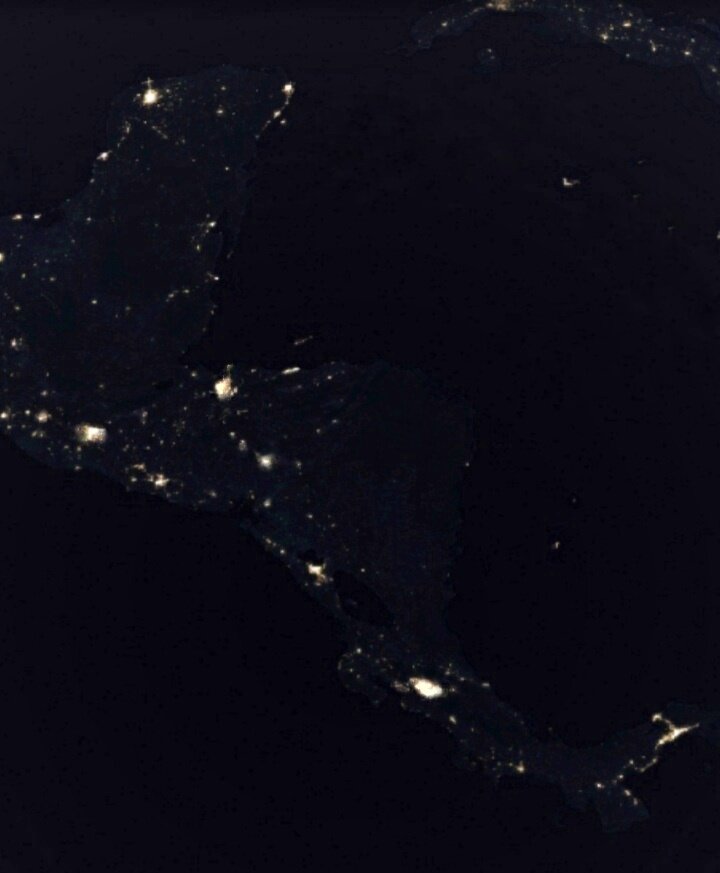
The geography is as diverse as its people, ranging from volcanic mountains and lush rainforests to pristine beaches on both the Pacific and Caribbean coasts. This vibrant landscape has shaped the development of its societies for thousands of years.
A Blend of Cultures
Modern Central American culture is largely a fusion of Indigenous and Spanish colonial influences. Before Europeans arrived, the region was home to complex civilizations, like the Maya. The Spanish conquest in the 16th century introduced new languages, a new religion, and different social structures.
Today, this blend is visible everywhere. While Spanish is the official language in six of the seven countries (Belize's official language is English), dozens of Indigenous languages are still spoken, particularly in Guatemala and Belize. Similarly, Roman Catholicism is the dominant religion, but it's often practiced with traditions and beliefs that have Indigenous roots.
This mix of heritages creates a cultural mosaic, evident in the region's food, music, and festivals.
Family and Community
The family is the cornerstone of social life in Central America. This isn't just about the nuclear family, but the extended family—grandparents, aunts, uncles, and cousins often live together or nearby and play a central role in daily life. Loyalty to the family is paramount, and major decisions are often made with the entire family's input.
Community ties are also incredibly strong. People tend to have close relationships with their neighbors, and there's a general emphasis on collectivism over individualism. This communal spirit is a key part of the social fabric.
Governmental Structures
After gaining independence from Spain in the 19th century, most Central American nations formed republics. Today, the governments in the region are generally structured as presidential representative democratic republics. This means they have a president who serves as both head of state and head of government.
Like the United States, these systems typically feature a separation of powers into three branches: the executive (the president and their cabinet), the legislative (a congress or assembly that makes laws), and the judicial (the court system). While the structures are similar on paper, the political histories of these countries are complex and have often included periods of instability. In recent decades, there has been a consistent push toward strengthening democratic institutions across the region.