Cosmic Kids Astrology Adventures
Introduction to Astrology
Reading the Night Sky
Have you ever looked up at the stars and wondered what they mean? For thousands of years, people all over the world have done the same thing. They saw more than just twinkling lights; they saw patterns and stories. This ancient practice of looking for meaning in the stars and planets is called astrology.
Astrology is the idea that the movements of the sun, moon, and planets have an influence on people's lives and the world around us.
It's different from astronomy, which is the scientific study of everything in outer space, like planets, stars, and galaxies. While an astronomer might measure how far away a planet is, an astrologer tries to interpret what that planet's position might mean for someone on Earth. Think of it like a giant cosmic clock. Astronomers study how the clock works, while astrologers try to read the time and understand its meaning.
A Journey Through Time
Astrology began a very long time ago in ancient Mesopotamia, with people called the Babylonians. They were expert sky-watchers. They noticed that the sun, moon, and planets moved in regular patterns through a specific band of stars. They used these patterns to create the first calendars, which helped them know when to plant crops and when to expect floods.
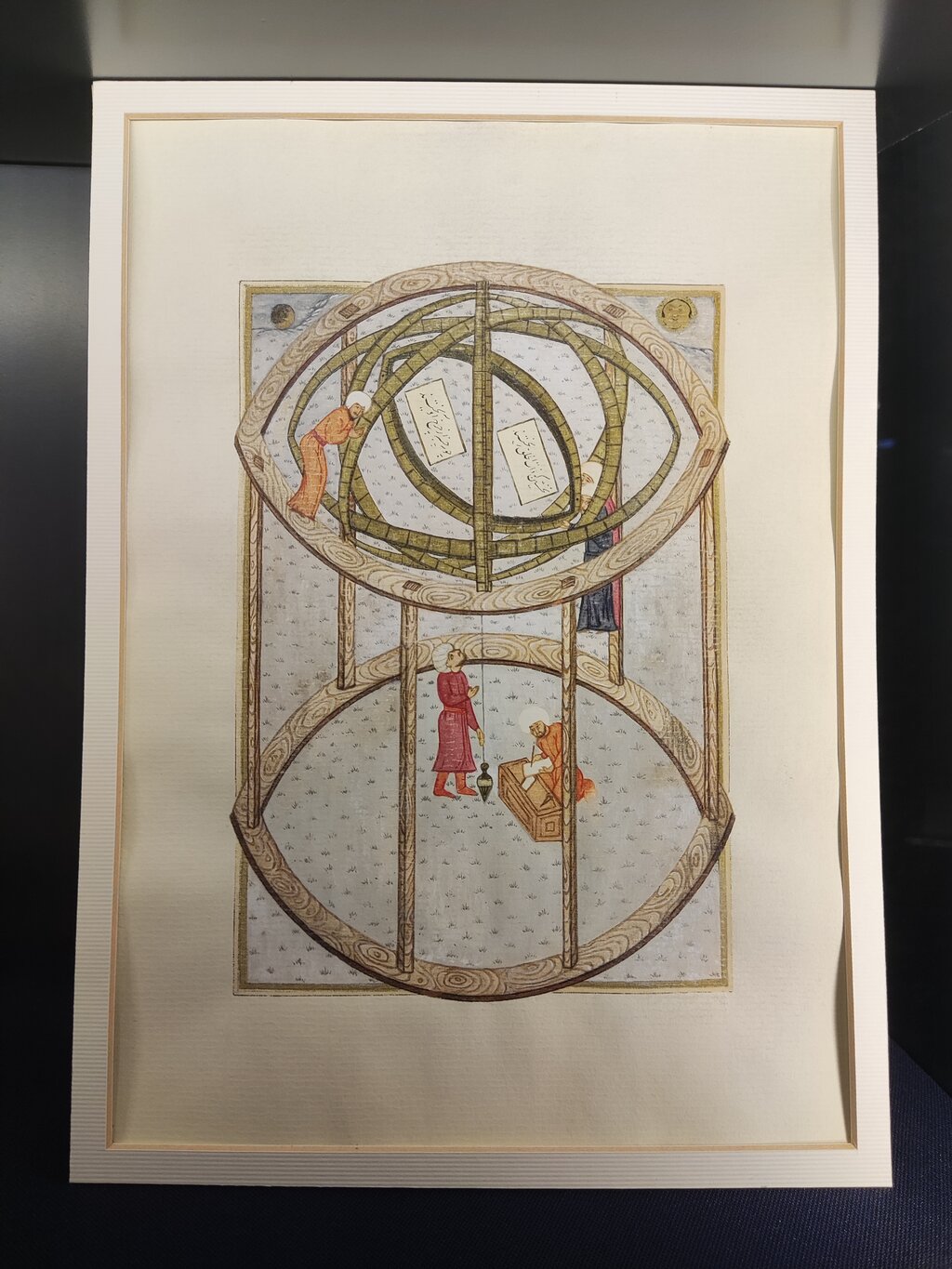
From there, these ideas traveled to ancient Greece. The Greeks were fascinated by astrology and mixed it with their own stories and myths. They named the planets after their gods, like Mars, the god of war, and Venus, the goddess of love. The Romans adopted these ideas, and this system, known as Western astrology, became incredibly popular.
Stars Around the World
But Western astrology isn't the only kind. Many cultures developed their own unique ways of reading the stars. In China, a different system of astrology developed. Instead of focusing on the month you were born in, the Chinese zodiac is based on the year. Each year is assigned an animal, like the Tiger or the Rabbit, in a 12-year cycle.
In India, the ancient system of Vedic astrology, also known as Jyotisha, is still widely practiced. It uses slightly different calculations to map the stars and has its own rich history and traditions.
Astrology has woven itself into human history as a guiding force, influencing civilizations and cultures from ancient times to the modern world.
These different systems show that people everywhere have looked to the sky for answers. Whether for farming, navigation, or self-discovery, the stars have always been a source of wonder and guidance.
Now, let's test what you've learned about the basics of astrology.