Cosmetic Surgery Explained
Introduction to Cosmetic Surgery
Enhancing Appearance
Cosmetic surgery is a unique medical field focused on improving a person's appearance through surgical and medical techniques. It's elective, meaning it's chosen by the patient rather than being medically necessary. The procedures, principles, and techniques are all geared toward enhancing aesthetic appeal, symmetry, and proportion.
The core goal of cosmetic surgery is to improve a patient's satisfaction with their appearance and, in turn, their self-esteem.
It's often confused with plastic surgery, but they're not the same. While cosmetic surgery is a part of plastic surgery, the broader field also includes reconstructive surgery. Reconstructive surgery aims to correct defects and restore normal function and appearance after events like trauma, disease, or birth disorders. The distinction is crucial.
| Feature | Cosmetic Surgery | Reconstructive Surgery |
|---|---|---|
| Primary Goal | To enhance appearance | To restore function and normalcy |
| Nature of Procedure | Elective and aesthetic | Medically necessary |
| Typical Patient | Someone seeking to improve a physical feature | Someone with a congenital defect, or injury from trauma or illness |
| Example | A facelift to reduce signs of aging | Skin grafts to treat a burn victim |
| Insurance Coverage | Almost never covered | Generally covered |
A Brief History
The desire to alter one's appearance is not new. Early forms of cosmetic procedures date back thousands of years. In ancient India, physicians were performing skin grafts and reconstructing noses as early as 800 BC. The Romans also developed techniques to repair facial defects, often for soldiers scarred in battle.
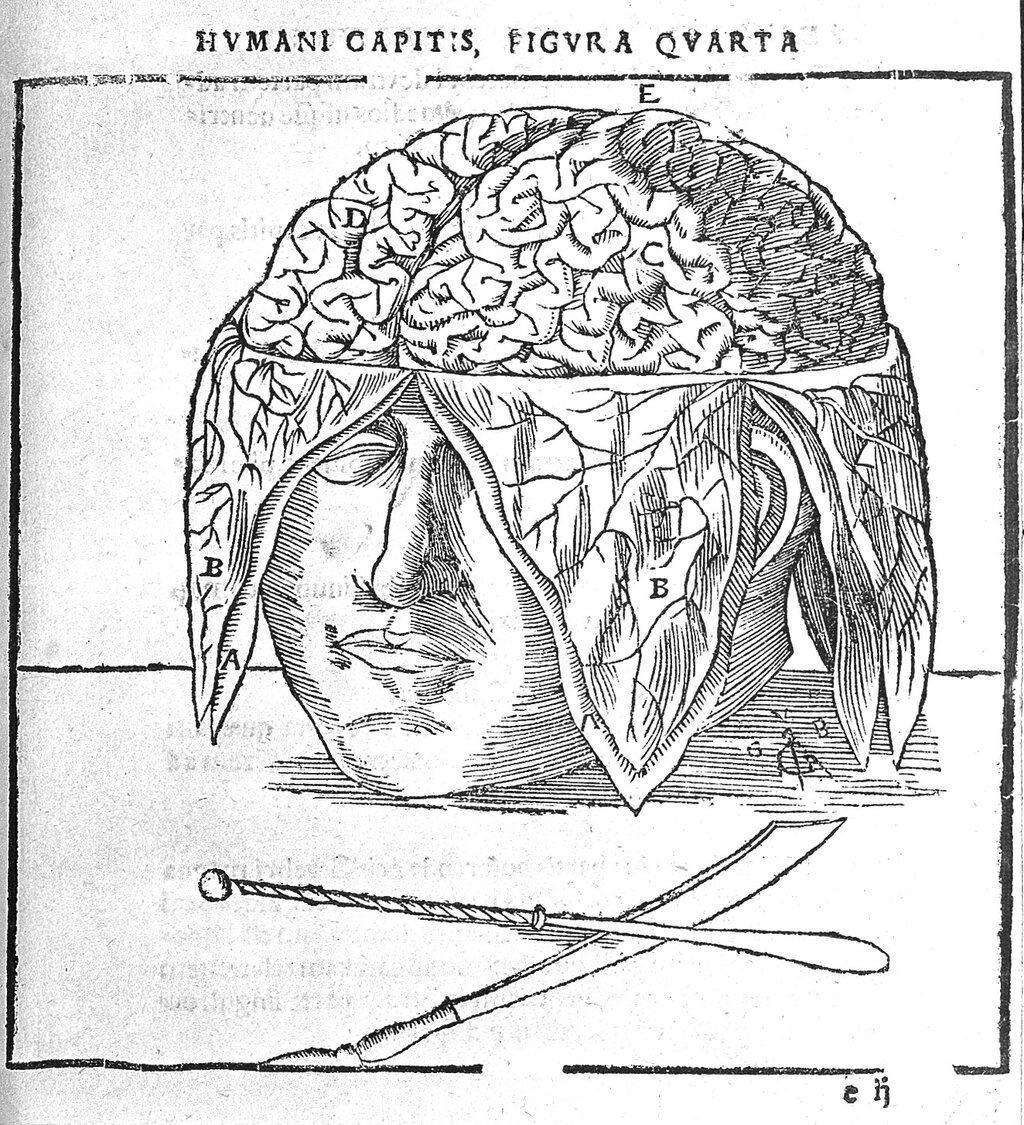
However, modern plastic surgery owes much of its development to the devastating injuries of World War I. Surgeons like Harold Gillies in Britain pioneered new techniques to treat soldiers with severe facial wounds. This intense period of innovation in reconstructive surgery laid the foundation for the cosmetic procedures that would follow. The skills developed to rebuild a face were later adapted to refine one.
Cosmetic surgery as we know it today began to take shape in the mid-20th century and gained significant popularity in the 1980s and 90s as techniques became safer and more refined, and cultural attitudes shifted.
Current Trends
Today, the field is constantly evolving. One of the biggest trends is the rise of minimally invasive or non-surgical procedures. These treatments, like injections and laser therapies, offer aesthetic improvements with less risk, cost, and recovery time than traditional surgery.

While surgical procedures remain popular, the growth in non-surgical options has made cosmetic enhancement accessible to a much wider audience. These "lunchtime procedures" can often be completed in under an hour.
The most common surgical procedures globally include breast augmentation, liposuction, eyelid surgery (blepharoplasty), nose reshaping (rhinoplasty), and abdominoplasty (tummy tuck). On the non-surgical side, botulinum toxin (Botox), soft tissue fillers, and chemical peels are the most requested treatments.
Motivations and Mindset
People seek cosmetic surgery for a variety of personal reasons. The most common motivation is a desire to improve self-esteem and confidence by altering a feature they've been unhappy with. For some, it's about looking as young as they feel, or addressing changes caused by aging or life events like pregnancy.
Psychological factors play a significant role in the decision-making process. A responsible surgeon will assess a patient's motivations and expectations to ensure they are realistic. The goal is improvement, not perfection. Cosmetic surgery is not a cure for deeper psychological issues, and surgeons screen for conditions like body dysmorphic disorder, where a person has an obsessive focus on a perceived flaw in appearance.
A healthy candidate for cosmetic surgery is someone who is doing it for themselves and has a stable sense of identity, seeking to enhance rather than completely transform.
Understanding the difference between cosmetic and reconstructive surgery, its history, and the motivations behind it provides a clear picture of this complex and personal field of medicine.