Cortisol Explained
Introduction to Cortisol
The Body's Built-In Alarm System
You’ve probably heard of cortisol, often called the “stress hormone.” While it plays a key role in how we respond to pressure, that's just one part of its job. Cortisol is a steroid hormone, a type of chemical messenger that travels through your bloodstream to deliver instructions to various parts of your body.
The most important job cortisol has is to help a person respond to stress; it also assists in maintaining cardiovascular function, blood pressure, and in slowing a person's immune system's inflammatory response.
Chemically, it’s a glucocorticoid, produced and released by the adrenal glands. Think of it as a manager that helps oversee several critical systems to keep your body in balance, or what scientists call homeostasis.
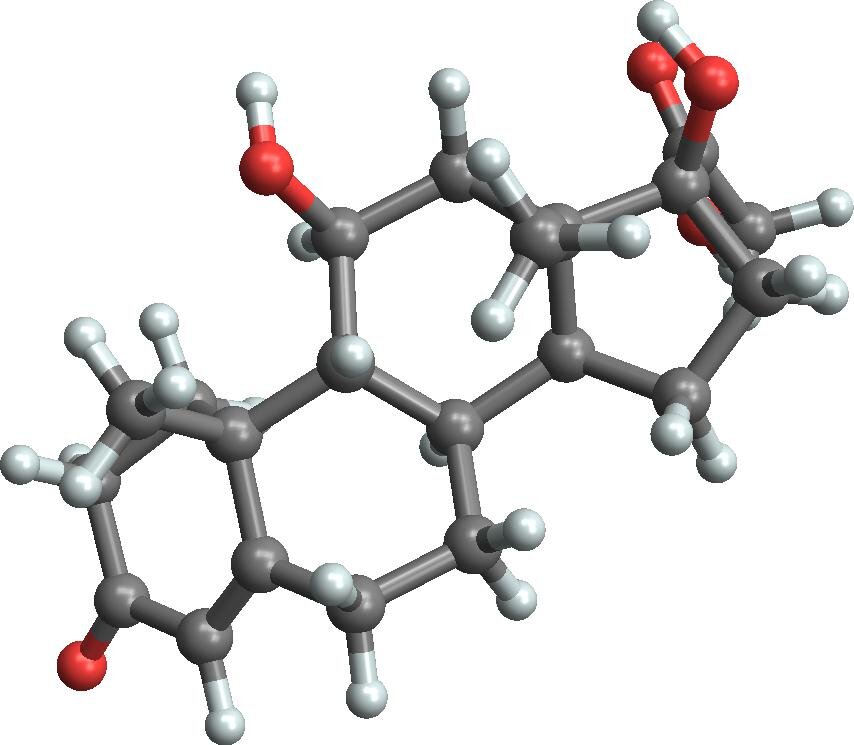
Where Cortisol Comes From
Cortisol is made in the adrenal glands, two small, triangle-shaped glands that sit on top of your kidneys. Each adrenal gland has two parts: the outer layer, called the cortex, and the inner part, the medulla. Cortisol production happens in the cortex.
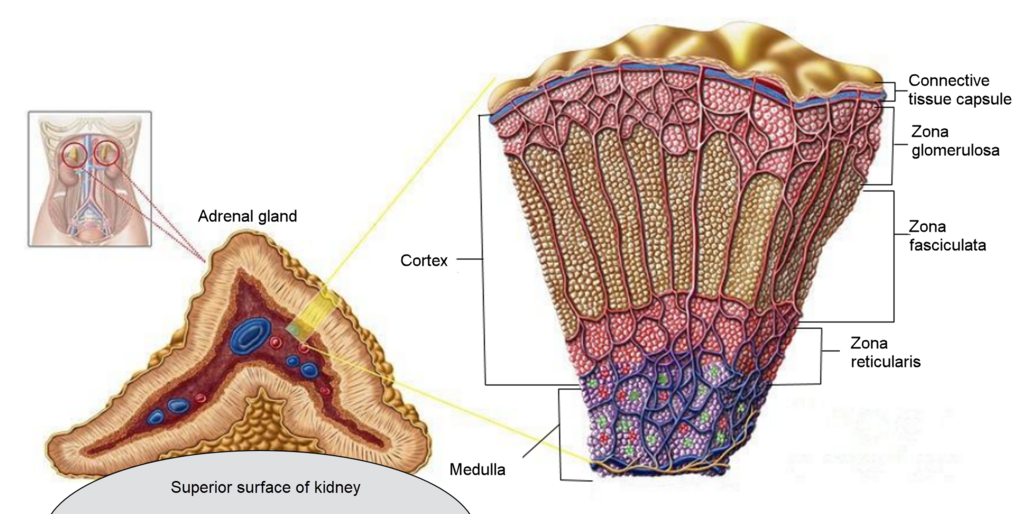
While the adrenal glands do the manufacturing, they don't decide when to release cortisol on their own. They take orders from a chain of command that starts in the brain. This network, known as the hypothalamic-pituitary-adrenal (HPA) axis, acts like a thermostat, constantly monitoring your body's needs and adjusting cortisol levels accordingly.
Cortisol's Main Jobs
Cortisol wears many hats. Its primary functions are essential for day-to-day health and survival during emergencies.
Cortisol helps control three main things:
- Metabolism: It regulates how your body uses fats, proteins, and carbohydrates for energy.
- Inflammation: It helps keep your immune system's response in check, preventing it from overreacting.
- Blood Pressure: It helps maintain steady cardiovascular function.
During a stressful event, the HPA axis kicks into high gear. The adrenal glands release a surge of cortisol. This provides a quick burst of energy by increasing blood sugar, heightens your memory functions, and lowers your sensitivity to pain. It's a survival mechanism designed to help you handle an immediate threat—the classic "fight-or-flight" response.
Once the perceived threat passes, cortisol levels should return to normal. This rise and fall is a healthy, natural process. Understanding this hormone is the first step to appreciating the intricate systems that keep our bodies running smoothly.
Cortisol is primarily classified as what type of hormone?
In which specific part of the body is cortisol produced?