Corrugated Box Manufacturing Explained
Introduction to Corrugated Boxes
The Humble, Mighty Box
Look around your home. Chances are, you’ll find a corrugated box. It might be from a recent online order, or maybe it’s in your garage holding old books. We often call them “cardboard boxes,” but that’s not quite right. A true cardboard box is made from a single, thick sheet of paper pulp. A corrugated box is something more engineered.
A corrugated box is a high-tech paper sandwich, designed for strength.
The secret to its strength is its three-layer structure. It consists of two flat outer layers, called linerboard, and a wavy, rippled layer in between, called the fluted medium. This simple combination of paper creates a surprisingly strong and lightweight material. The flutes act like arches, providing cushioning and support to protect the contents inside.
A Quick History
The story of the corrugated box starts in a surprising place: fashion. In 1856, two Englishmen patented a machine to pleat paper for lining tall hats. It wasn’t until 1871 that an American, Albert Jones, had the idea to use this pleated, or corrugated, paper for packing fragile items like glass bottles.
He had created a cushion. A few years later, another inventor added a flat linerboard sheet to one side, creating a more stable material. Finally, in the 1890s, the first pre-cut corrugated boxes were manufactured. Their strength and low cost quickly made them the standard for shipping goods, replacing heavy, expensive wooden crates.
The Go-To for Almost Everything
Today, corrugated boxes are everywhere. They are the backbone of the global supply chain, used to ship everything from fresh fruit and electronics to car parts and clothing. The rise of e-commerce has made them even more essential, as nearly every online order arrives in one.
Why are they so popular? They offer an unbeatable combination of benefits:
- Protection: The fluted design provides excellent cushioning against impacts and vibrations during transit.
- Lightweight: They add very little weight to a shipment, which helps keep transportation costs down.
- Stackable: Their rigid structure allows them to be stacked high in warehouses and on trucks, maximizing storage space.
- Customizable: They can be made in virtually any size or shape and printed with branding and handling instructions.
- Sustainable: Most corrugated boxes are made from a high percentage of recycled materials and are fully recyclable themselves.
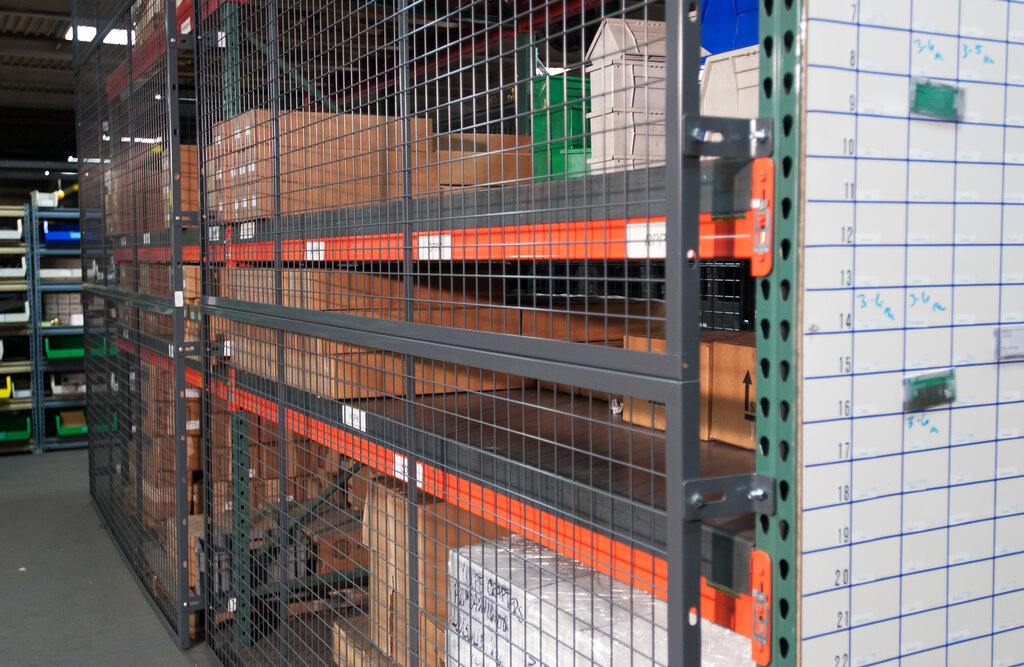
From the food on your table to the device you're reading this on, it's likely a corrugated box played a role in getting it to you safely. This simple paper sandwich is a cornerstone of modern commerce.
A box made from a single, thick sheet of paper pulp is correctly called a corrugated box.
What are the three layers that make up a standard corrugated sheet?