Corporate Training Curriculum Design
Understanding Organizational Goals
The Big Picture
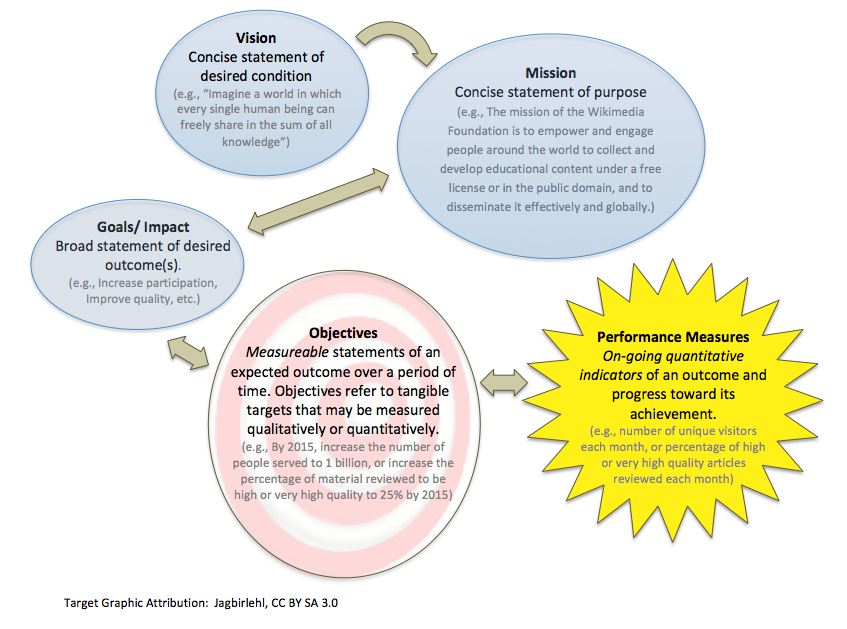
Before you can contribute to an organization, you need to understand what it's trying to achieve. Every company, from a tiny startup to a global corporation, is guided by a few core ideas. These ideas act like a compass, pointing everyone in the same direction. The two most important are the mission and vision statements.
mission statement
noun
A short statement of why an organization exists, what its overall goal is, identifying the goal of its operations.
A mission statement is about the present. It answers the question, “What do we do, for whom, and why?” It’s grounded, practical, and describes the organization's purpose today.
vision statement
noun
An aspirational description of what an organization would like to achieve or accomplish in the mid-term or long-term future.
A vision statement, on the other hand, is about the future. It’s the big dream. It answers the question, “What world do we want to create?” It’s meant to inspire and give people a sense of a greater purpose.
Think of it like building a house. The mission is the blueprint you're following right now: laying the foundation, framing the walls. The vision is the picture of the finished, furnished house with a family living inside. You need both the practical plan and the inspiring outcome to guide your work.
From Vision to Action
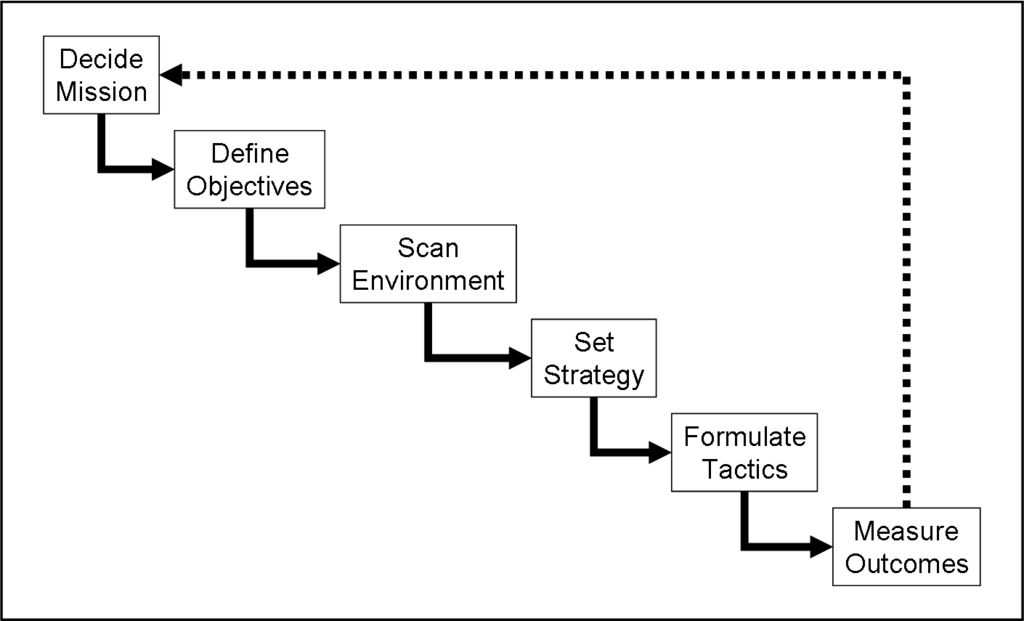
A powerful vision is great, but it doesn't mean much if you don't have a plan to get there. This is where strategic objectives come in. These are the broad, long-term goals that connect the daily work of an organization to its mission and vision. They are the major milestones on the journey toward that future dream.
Strategic objectives translate a company’s vision into clear, measurable outcomes.
For example, a software company's vision might be "to make powerful creative tools accessible to everyone." A strategic objective to support this could be "to capture 25% of the entry-level market within three years." Another might be "to launch a free version of our flagship product by the end of next year."
These objectives are specific enough to guide decision-making across the company. They give teams a clear target to aim for. Without them, different departments might work hard but in conflicting directions.
Goals on the Ground Floor
Strategic objectives are still pretty high-level. To make them happen, they must be broken down into smaller, more manageable pieces for individual departments. Each team has a role to play in achieving the bigger picture.
Let’s stick with our software company's strategic objective: "Launch a free version of our flagship product by the end of next year." This single objective creates different goals for different teams.
| Department | Departmental Goal |
|---|---|
| Engineering | Develop a feature-limited but stable free version of the software by Q3. |
| Marketing | Create a campaign to generate 100,000 sign-ups for the free version in the first month. |
| Sales | Design a strategy to convert 5% of free users to paid customers within six months. |
| Customer Support | Build a self-service knowledge base to support free users without increasing staff. |
As you can see, each department has its own specific, measurable goal. But they all roll up to support the same strategic objective. This alignment is critical. When departmental goals are disconnected from the company's strategy, you get wasted effort and internal friction.
The Unwritten Rules
Finally, there's a powerful, often invisible force that shapes how work gets done: corporate culture. If mission and goals are the "what" and "why," culture is the "how." It's the collection of shared values, beliefs, and behaviors that define how people interact and make decisions within an organization.
Is the company formal or informal? Does it value collaboration or individual achievement? Is it fast-paced and risk-taking, or slow, steady, and cautious? The answers to these questions describe its culture.

Culture directly impacts whether goals are met. A company with a strategic objective to be highly innovative will struggle if its culture punishes failure and discourages new ideas. Similarly, a goal to improve customer service won't succeed if the culture doesn't empower employees to solve customer problems on their own.
Understanding an organization’s culture is just as important as reading its mission statement. It tells you the unwritten rules of the game and how things really get done.
Now, let's test your understanding of these core organizational concepts.
A company's statement, "To organize the world's information and make it universally accessible and useful," describes its present purpose and core function. Which term best fits this statement?
A vision statement is inspirational and future-oriented, while a mission statement is practical and focused on the present.
By grasping the mission, vision, objectives, and culture, you can see how an organization works as a whole system, from its grandest ambitions down to the daily tasks of its teams.