Corporate Governance Essentials
Introduction to Corporate Governance
What Is Corporate Governance?
Think of a large company. It has owners (shareholders), managers who run the daily operations, employees, customers, and suppliers. How do all these different groups work together without chaos? The answer is corporate governance.
Corporate governance is the system of rules, practices, and processes by which a company is directed and controlled. It’s essentially the rulebook that ensures the company is run properly. It's not just about following the law; it's about creating a framework for achieving a company's objectives while balancing the interests of everyone involved, from the investors who provide capital to the community the company operates in.
Good governance is about ensuring accountability, fairness, and transparency in a company's relationship with all its stakeholders.
At its heart, governance provides a structure. It specifies the distribution of rights and responsibilities among different participants in the corporation—such as the board of directors, managers, and shareholders—and spells out the rules for making decisions on corporate affairs. This structure is crucial for building long-term trust and success.
A Brief History
The need for corporate governance isn't new. It goes back centuries to the first large trading companies, where investors who funded voyages needed assurance that the captains and agents managing their money wouldn't just sail off with it. This separation of ownership from management is the classic governance problem.
Over time, especially in the 20th century, corporate structures grew more complex. The modern corporate governance movement gained significant momentum in response to major corporate scandals. Events like the Enron and WorldCom collapses in the early 2000s exposed massive fraud and poor oversight. These failures led to new laws, like the Sarbanes-Oxley Act in the U.S., which placed stricter requirements on financial reporting and board accountability to protect investors.
stakeholder
noun
Any person, organization, or group that has an interest in the activities and performance of a company.
The Core Principles
While specific practices can vary by country and company, a few universal principles form the bedrock of good corporate governance.
-
Accountability: This ensures that management is accountable to the board of directors, and the board is accountable to the shareholders. It creates a clear line of responsibility for all decisions and actions.
-
Transparency: Good governance requires that a company provides clear, accurate, and timely information about its performance, financial situation, and leadership. Stakeholders need this information to make sound decisions.
-
Fairness: This principle demands that all shareholders be treated equitably, including those with minority stakes. It also extends to treating all stakeholders, from employees to suppliers, with fairness.
-
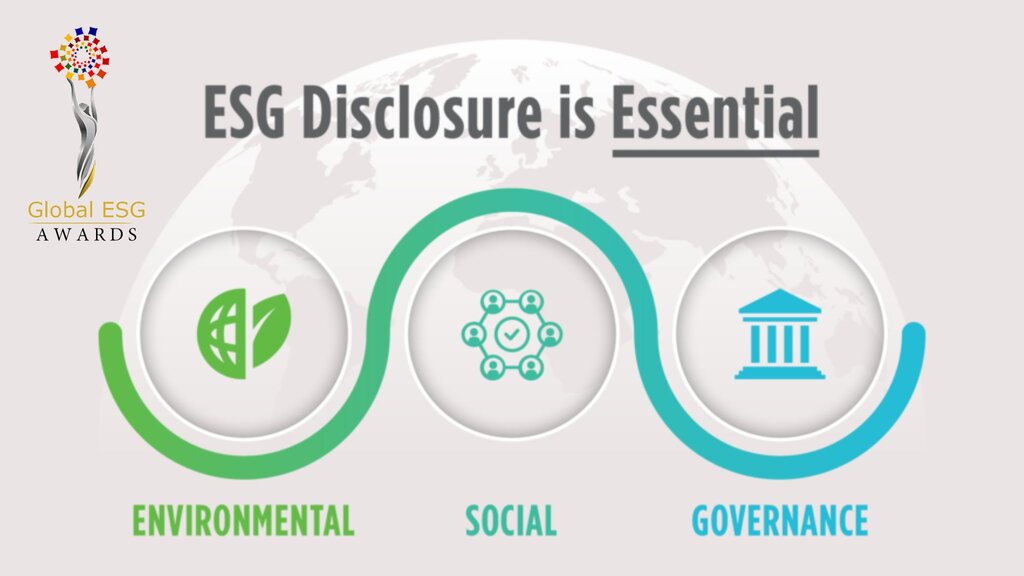
Responsibility: A well-governed company understands its responsibility to the law and to society. It operates ethically and considers the environmental and social impact of its business.
Good Governance Pays Off
Why go to all this trouble? Because effective corporate governance has a direct impact on a company's performance and its ability to build trust. Companies with strong governance structures tend to make better strategic decisions, manage risks more effectively, and have better access to capital because investors are more confident in them.
This confidence, or stakeholder trust, is an invaluable asset. When customers trust a company to act ethically, they're more likely to buy its products. When employees trust leadership, they're more engaged and productive. And when investors trust the board and management, they're more willing to provide the funding the company needs to grow. In the long run, good governance isn't just about compliance; it's a cornerstone of sustainable success.
Now, let's test your understanding of these core concepts.
What is the primary purpose of corporate governance?
The classic corporate governance problem arises from the separation of ______ from ______. Fill in the blanks.
Understanding these foundations is the first step in appreciating how well-run companies create value and maintain their integrity.