Corporate Cybersecurity Essentials
Cybersecurity Basics
The Core of Cybersecurity
Cybersecurity might seem complex, but it's built on three simple, powerful principles. Together, they form what's known as the CIA Triad. Understanding this trio is the first step to protecting digital information, whether it's your personal photos or a company's financial records.
Let's break down each part of the triad.
Confidentiality is about keeping secrets. It ensures that data is accessible only to authorized users. Think of it like a sealed envelope. Only the person it's addressed to should be able to open it and read the letter inside. In the digital world, encryption is a key tool for maintaining confidentiality. It scrambles data so that even if someone intercepts it, they can't understand it.
Integrity is about trust and accuracy. It means that the data is complete, consistent, and hasn't been altered by an unauthorized person. Imagine a legal contract. If someone secretly changes a number or a clause, the document's integrity is lost. Cybersecurity uses techniques like hashing to create a unique digital fingerprint for data, which reveals if even a single character has been changed.
Availability ensures that information and systems are up and running when authorized users need them. It's like a library being open during its stated hours. If you can't get to the books, they're not very useful. For businesses, this means websites are online, employees can access their files, and services are available to customers. Things like regular backups and redundant systems help ensure availability.
Common Threats to Watch For
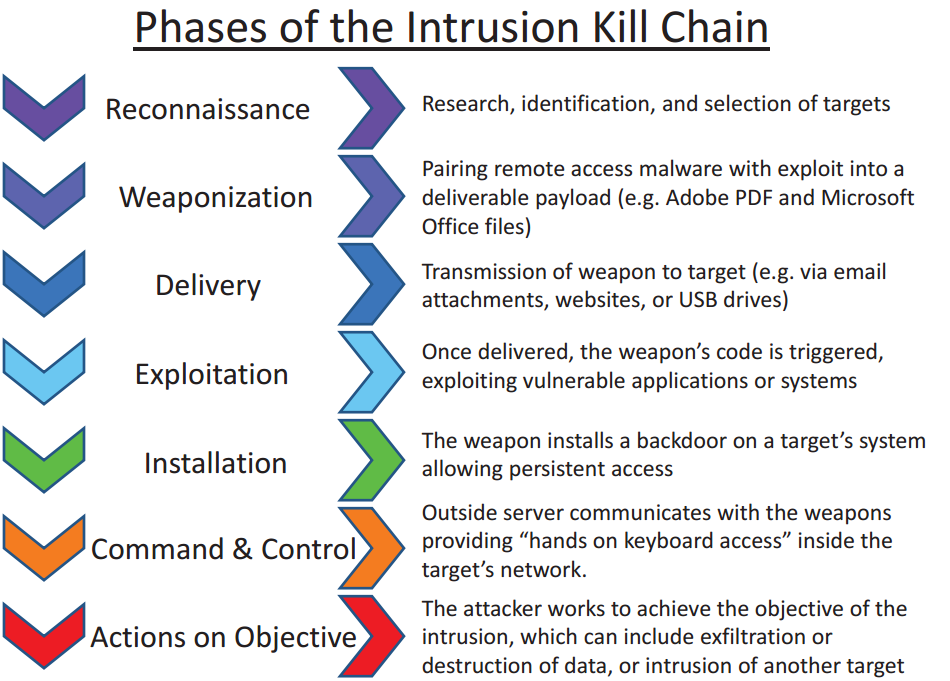
Cyber threats are attempts to undermine one or more principles of the CIA Triad. An attacker might try to steal confidential information, alter data to compromise its integrity, or shut down a system to deny its availability. While there are countless types of attacks, a few are particularly common.
malware
noun
Software intentionally designed to cause damage to a computer, server, client, or computer network.
Short for "malicious software," malware is a catch-all term for any software created to do harm. This includes viruses that replicate and spread, spyware that secretly gathers information, and trojans that disguise themselves as legitimate programs to sneak into your system.
phishing
noun
The fraudulent practice of sending emails or other messages purporting to be from reputable companies in order to induce individuals to reveal personal information, such as passwords and credit card numbers.
Phishing attacks are a form of social engineering. An attacker "baits a hook" with a deceptive email, text message, or website, hoping a victim will bite. They often create a sense of urgency, like an email pretending to be from your bank that claims your account is locked. The goal is to trick you into clicking a malicious link or revealing sensitive information like your password or social security number.
ransomware
noun
A type of malicious software designed to block access to a computer system until a sum of money is paid.
Ransomware is a particularly nasty type of malware that encrypts your files, making them completely inaccessible. The attackers then demand a ransom payment, often in cryptocurrency, in exchange for the decryption key. It's the digital equivalent of kidnapping your data and holding it hostage.
Why This Matters for Business
In a corporate setting, the stakes are incredibly high. A breach of confidentiality could expose customer data or trade secrets. A failure of integrity could lead to incorrect financial reporting or faulty products. And a lack of availability could shut down e-commerce sites or halt production lines, costing millions.
Strong cybersecurity isn't just an IT issue; it's a core business function. Protecting information systems is crucial for maintaining customer trust, complying with regulations, and ensuring the company's long-term survival and reputation. Every employee has a role to play in recognizing threats and following security protocols to protect the organization's assets.
Confidentiality, integrity, and availability—the CIA triad—are the three pillars of information security.
Now, let's test your understanding of these fundamental concepts.
In the context of the CIA Triad of cybersecurity, what does the 'A' stand for?
What is the main objective of a phishing attack?
Grasping these basics provides a solid foundation for navigating the digital world more securely.