Core Human Resources Management Topics
Introduction to HRM
What is Human Resource Management?
At its heart, Human Resource Management (HRM) is all about people. It's the strategic approach to managing a company's employees to help the business achieve its objectives. Think of it as the bridge between the company's goals and the people who make those goals a reality.
Human Resources Management (HRM) is the attraction, selection, retention, development, and utilization of labor resource in order to achieve both individual and organizational objectives.
This involves everything from finding the right talent and bringing them on board to ensuring they are trained, motivated, and compensated fairly. The scope of HRM is broad, covering the entire lifecycle of an employee, from their first application to their last day at the company.
A Quick History Lesson
HRM hasn't always been the strategic function it is today. Its roots go back to the early 20th century, with roles like "welfare secretaries" who were tasked with improving the well-being of factory workers. The focus was on basic needs and creating a slightly better work environment.
By the mid-20th century, this evolved into what was called "personnel management." This was a more administrative role, focused on the nuts and bolts of hiring, firing, and payroll. The personnel department was seen as a functional necessity, a place to handle paperwork and enforce company rules, but it wasn't typically involved in top-level business strategy.
The big shift happened in the last few decades. Businesses began to recognize that their people were their most valuable asset. This change in perspective transformed personnel management into modern Human Resource Management, a strategic partner dedicated to aligning workforce strategies with business goals.
HRM as a Strategic Partner
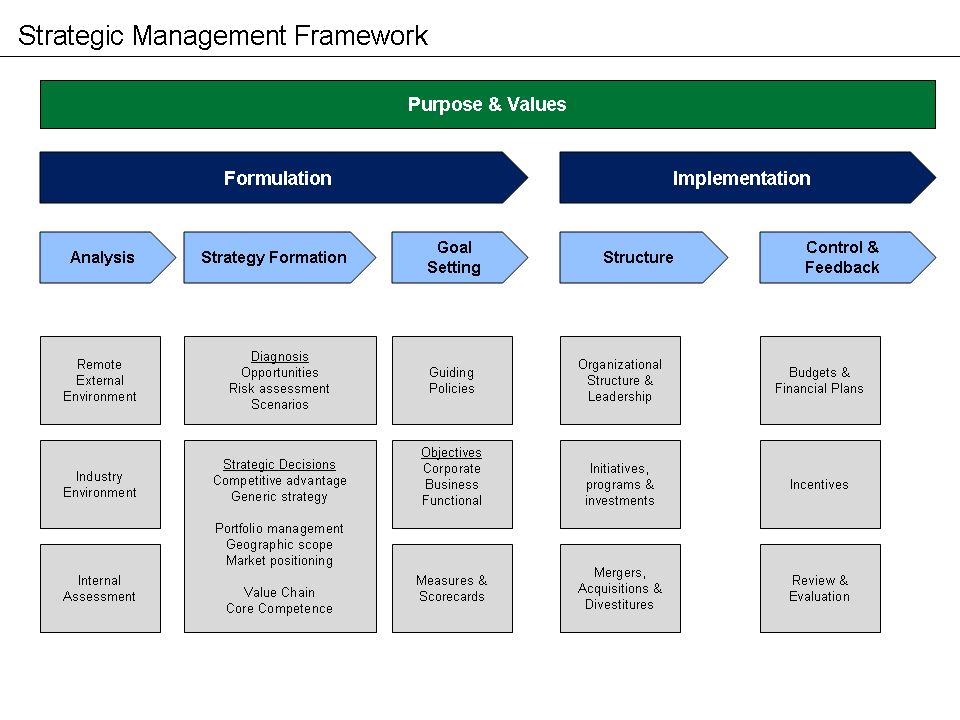
Today, HR is much more than an administrative department. It plays a critical role in shaping the company's future. A strong HR team doesn't just react to the needs of the business; it anticipates them. They work alongside senior leaders to ensure the company has the right people with the right skills to compete and grow.
Imagine a sports team. The coach doesn't just handle paperwork for the players. They scout for talent, develop player skills, create strategies for winning games, and build a cohesive team culture. In the business world, that's the role of strategic HRM. They are the architects of the organization's human capital, ensuring it is structured and supported to achieve long-term success.
Effective HR aligns the people strategy with the business strategy. This means understanding where the company is going and figuring out what kind of workforce is needed to get there.
The Core Functions
To achieve its strategic goals, HRM is broken down into several core functions. While these areas can overlap, they each represent a critical piece of the puzzle in managing a company's workforce effectively.
Recruitment & Selection This is all about finding and attracting qualified candidates and then choosing the best ones to hire. It involves writing job descriptions, sourcing applicants, conducting interviews, and making job offers.
Training & Development Once an employee is hired, HRM helps them grow their skills and knowledge. This includes onboarding new hires, providing ongoing training opportunities, and creating career development paths to help employees advance.
Performance Management This function focuses on setting clear expectations for employees and evaluating their performance. It involves regular feedback, performance reviews, and creating plans to help employees improve and meet their goals.
Compensation & Benefits HRM is responsible for creating a fair and competitive pay structure. This includes determining salaries, managing bonus programs, and administering benefits like health insurance, retirement plans, and paid time off.
Employee Relations This involves maintaining a positive, productive, and safe work environment. HR managers handle employee complaints, mediate conflicts, and ensure the company follows labor laws to treat everyone fairly.
Let's review what we've covered.
What is the primary role of Human Resource Management (HRM) in a modern organization?
The shift from a purely administrative 'personnel management' role to a strategic one is known as ________.
These core functions work together to support employees throughout their time at a company, ensuring the organization has a skilled and motivated workforce ready to meet any challenge.