Core Biological Systems
Cellular Architecture
The Cell as a Factory
Think of a cell not just as a blob of life, but as a high-tech manufacturing facility. It has a secure perimeter, a factory floor, specialized machinery, and a central command center holding all the blueprints. Every component is designed for a specific job, all working together to keep the operation running.
The first line of defense is the cell membrane. This isn't a static wall; it's a dynamic, intelligent border known as the phospholipid bilayer. It acts like a strict security checkpoint, managing everything that comes in and goes out. The structure itself is key to its function.
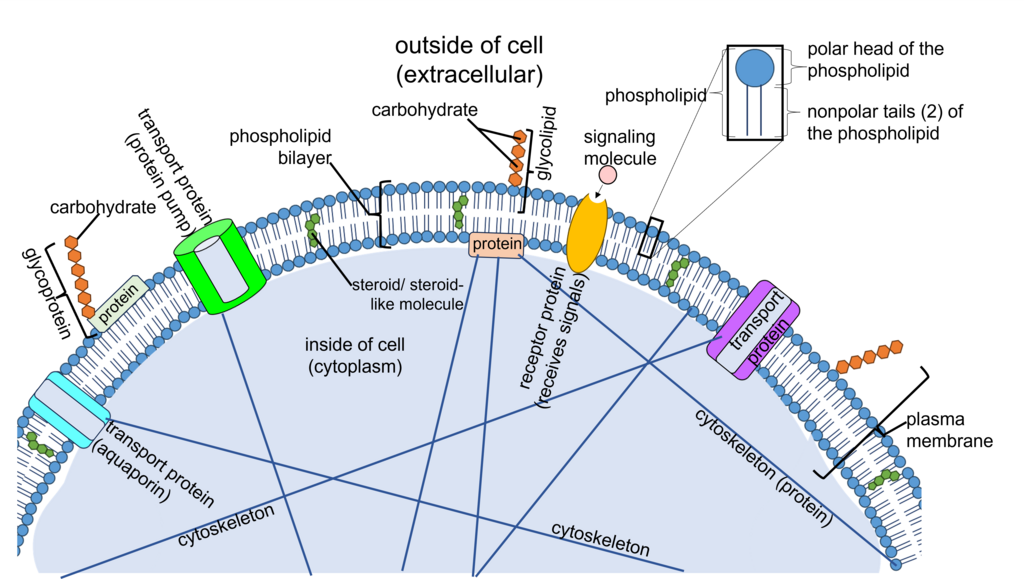
Each phospholipid molecule has a “head” that is attracted to water (hydrophilic) and a “tail” that repels it (hydrophobic). They arrange themselves in a double layer, with the tails facing inward, away from the water inside and outside the cell. This creates a fatty, water-resistant barrier that most molecules can't simply cross.
To get specific materials across, the membrane is embedded with proteins that act as channels and pumps. Some form simple tunnels for specific ions, a process called facilitated diffusion. Others are more like active security guards, using energy to pump substances from a low concentration area to a high one, against their natural flow. This selective permeability is crucial for maintaining the precise internal environment the cell needs to function.
Inside the Factory Walls
Once inside the membrane, you’re in the cytoplasm. This isn't just empty space; it’s a gel-like substance called cytosol that fills the cell. Think of it as the factory floor, bustling with activity. It's where many of the cell's metabolic reactions occur, and it provides the medium through which all materials and signals travel. Suspended within this cytosol are the organelles, the specialized hardware modules of the cell.
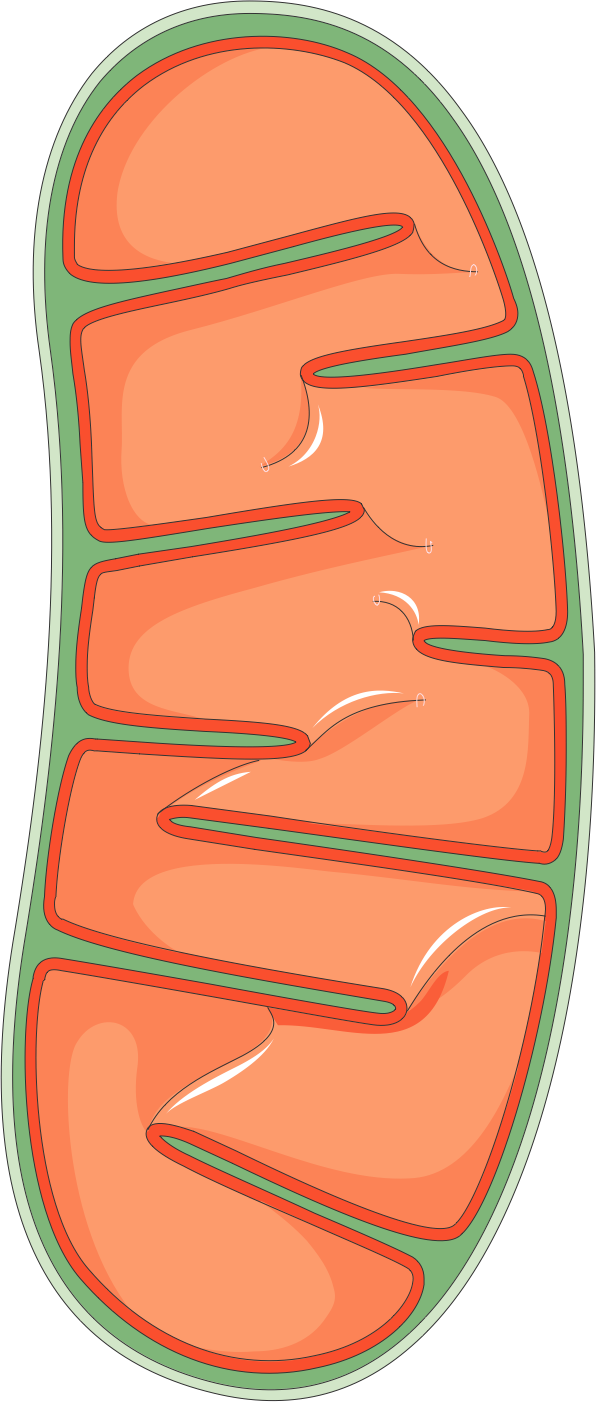
The entire operation runs on energy, and the cell's power plants are the mitochondria. These organelles are responsible for cellular respiration, a process that converts glucose and oxygen into the cell's main energy currency: a molecule called (adenosine triphosphate).
Every factory needs assembly lines. In the cell, these are the ribosomes. Ribosomes read instructions sent from the nucleus and translate them into proteins. They link amino acids together in the precise sequence specified by the genetic code, building everything from structural components to the enzymes that catalyze chemical reactions. Some float freely in the cytoplasm, making proteins for use inside the cell, while others are attached to a network called the endoplasmic reticulum, preparing proteins for export.
Command and Control
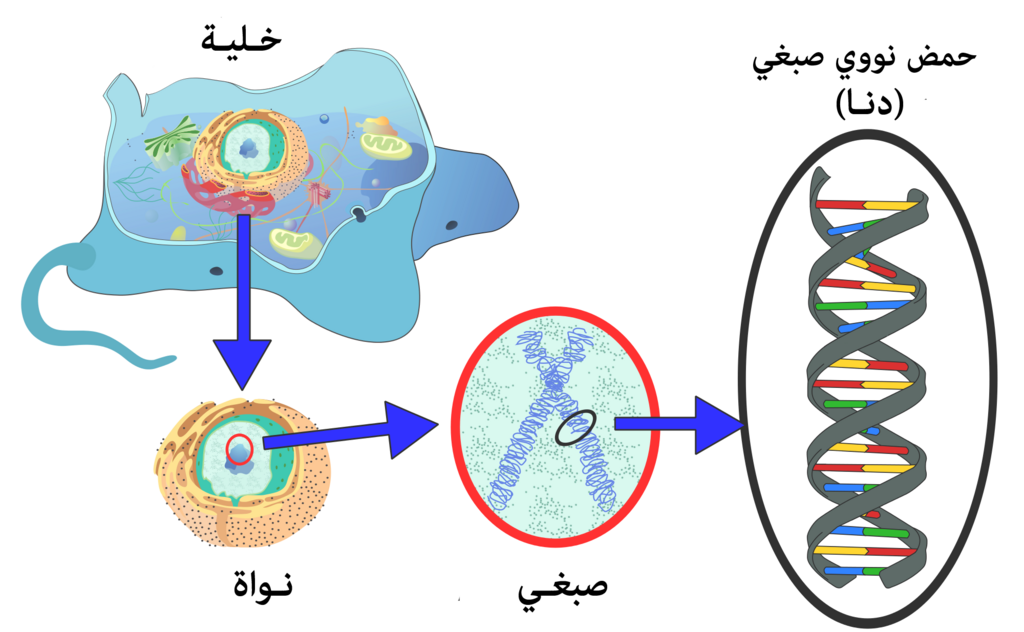
All of these operations are directed by the nucleus, the cell's central server. The nucleus contains the organization's most valuable asset: its DNA. This genetic material holds the master blueprints for every protein the cell will ever need to make. When a specific protein is required, a copy of its blueprint (in the form of messenger RNA) is made in the nucleus and sent out to the ribosomes on the factory floor.
Finally, the factory needs a physical structure—beams, columns, and transport tracks. This is the role of the a complex network of protein filaments crisscrossing the cytoplasm. It's not a rigid, static scaffold. It constantly assembles and disassembles, providing structural support, enabling the cell to change shape, and forming a highway system for moving organelles and materials around the cell.
This intricate system of a secure boundary, an energetic currency, specialized machinery, and central command allows the cell to function as a highly efficient and self-sufficient unit of life.
In the factory analogy, which part of the cell functions as the 'power plant', converting fuel into the main energy currency?
The cell membrane is described as a phospholipid bilayer. Why do these molecules arrange themselves this way?