Copywriting Essentials
Introduction to Copywriting
What is Copywriting?
Copywriting is the art of writing to persuade. Its goal is to convince someone to take a specific action, whether that’s buying a product, signing up for a newsletter, clicking a link, or donating to a cause. Think of it as a conversation with a purpose.
copywriting
noun
The act of writing text for the purpose of advertising or other forms of marketing.
Unlike a novelist telling a story for entertainment or a journalist reporting facts, a copywriter has a clear, measurable objective. Every word is chosen to guide the reader toward a desired outcome. This text, called "copy," is the bridge between a business and its potential customers.
Why Copywriting Matters
In a crowded market, a great product isn't always enough. Copywriting gives that product a voice. It explains why it's valuable, how it solves a problem, and why it's better than the alternatives. Without compelling copy, even the most innovative ideas can go unnoticed.
From the words on a website's homepage to the subject line of an email, copy is everywhere. It’s the script for a TV commercial, the text in a social media ad, and the description on a product package. It's the silent salesperson working 24/7.
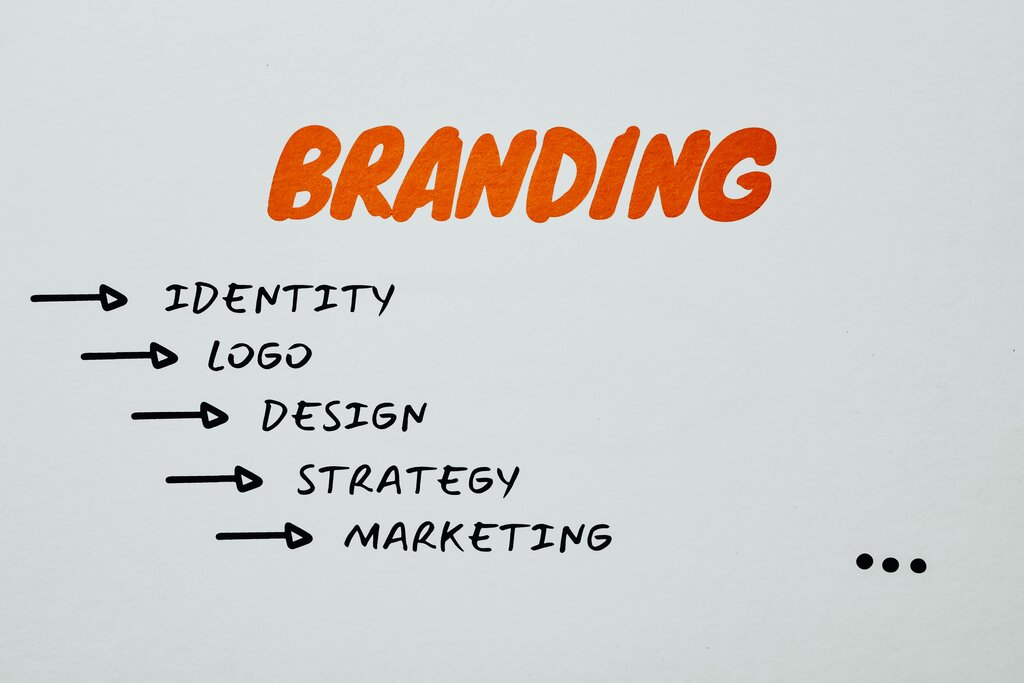
Good copy builds trust and creates a connection. It speaks directly to the audience in a language they understand, making a brand feel relatable and human.
A well-defined brand voice can transform mundane copywriting into something that stirs emotions, fosters loyalty, and (importantly) encourages sales.
Core Skills for Copywriters
Effective copywriting isn't about using fancy words or complex sentences. It’s about clarity, empathy, and persuasion. The best copywriters master a few fundamental skills.
First and foremost is understanding the audience. Before writing a single word, you need to know who you're talking to. What are their hopes, fears, and problems? What motivates them? Writing for everyone is like writing for no one. Great copy feels personal because it speaks to the reader's specific needs.
Clarity is also crucial. The message must be simple, direct, and easy to grasp instantly. If a reader has to work to understand what you're saying, you've already lost them.
Good copy is clear, concise, and compelling. It respects the reader's time and gets straight to the point.
Finally, copywriters must be persuasive. They construct arguments and present information in a way that leads the reader to a logical conclusion—that taking the suggested action is a good idea. A simple framework for this is AIDA: Attention, Interest, Desire, and Action. The copy first grabs attention, then builds interest, creates a desire for the offering, and finally prompts the reader to act.
How Copy Influences Behavior
Good copy works by tapping into human psychology. People are driven more by emotion than by logic. A copywriter's job is to connect a product's features to the reader's emotional needs and desires. Instead of just listing what something is, they show what it does for the customer.
This is the difference between features and benefits. A feature is a factual statement about a product, while a benefit is the positive impact it has on the customer's life. Effective copy always focuses on the benefits.
| Copy Focus | Example |
|---|---|
| Feature-Focused (Weak) | Our travel bag is made of water-resistant ballistic nylon. |
| Benefit-Focused (Strong) | Keep your gear safe and dry on any adventure. |
By focusing on benefits, the copy shifts from talking about the product to talking about the customer. It paints a picture of a better future, whether that means less stress, more free time, or greater confidence. This emotional connection is what ultimately convinces someone to act.
Ready to check your understanding of these core concepts?
What is the primary goal of copywriting?
Effective copywriting focuses on benefits, not features. Which of the following is a 'benefit' of a new smartphone?
Understanding these foundations is the first step. By focusing on persuasion, clarity, and the audience, you can start to see why some messages connect and others fall flat.