Copyright Law Fundamentals
Introduction to Copyright
What Is Copyright?
When you write a song, paint a picture, or take a photograph, you've created something new. But how do you prove you own it? What stops someone else from simply copying your work and selling it as their own? That's where copyright comes in.
copyright
noun
A legal right that grants the creator of an original work exclusive rights for its use and distribution.
Copyright is the legal framework that protects original works of authorship as soon as they are fixed in a tangible form. Think of it as a deal between creators and society. In exchange for sharing their work with the public, creators get a limited-time monopoly over how that work is used. This protection is automatic; you don't need to file any special paperwork to have a copyright in something you create.
The main goal of copyright law is to encourage people to create new works. It gives them confidence that they can benefit from their labor, which in turn enriches our shared culture.
This system aims to strike a balance. It rewards creators for their contributions, but it also ensures that, eventually, these works enter the public domain where anyone can use them freely. This fuels a continuous cycle of creativity, where new artists can build upon the works of the past.
A Quick Trip Through Time
The idea of protecting creative work isn't new, but for a long time, there was no formal system. Before the printing press, copying a book was a painstaking manual process. Few people could do it, so the issue of unauthorized copying wasn't widespread.
The invention of the printing press in the 15th century changed everything. Suddenly, books could be duplicated quickly and cheaply. This was great for spreading knowledge, but it also meant that a printer could copy an author's book without permission or payment.
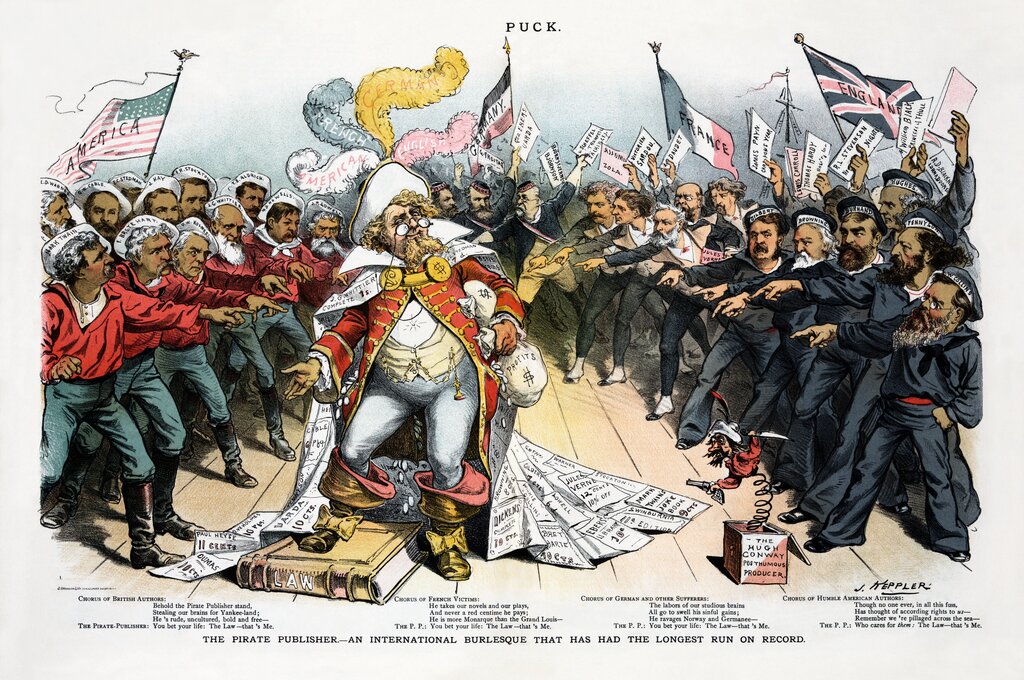
The first modern copyright law was the Statute of Anne, passed in Great Britain in 1710. It was revolutionary because it granted rights to the authors themselves, not just to the printers who published their books. It also established a crucial principle: these rights were for a limited time. After that, the work would belong to the public.
This concept spread. In the United States, the founders considered it so important that they included a clause for copyright in the Constitution. Over the centuries, copyright laws have continuously evolved to keep up with technology. They expanded from books to cover photography, film, sound recordings, software, and the vast digital world of the internet. The core idea, however, has remained the same: protecting expression to foster progress.
The Engine of Innovation
How does a legal rule actually lead to more movies, music, and scientific discoveries? By providing a powerful incentive.
Creating something original often requires a huge investment of time, money, and effort. A novelist might spend years writing a book. A software company could invest millions in developing a new application. A film studio spends a fortune on a single movie. These creators are more willing to take those risks if they know they have a legal right to profit from the result.
Copyright law protects original creative works, granting creators exclusive rights to control how their work is used.
Without copyright, competitors could simply copy a successful product and sell it at a lower price, since they wouldn't need to recover the initial investment. This would make it incredibly difficult for original creators to stay in business. By ensuring creators can control the distribution of their work, copyright allows them to earn a living, fund future projects, and continue innovating.
In this way, copyright acts as a vital engine for the creative and knowledge economies. It helps ensure a steady stream of new art, entertainment, and information that we can all learn from and enjoy.
When does copyright protection for an original work of authorship begin?
What technological invention was a major catalyst for the development of modern copyright law?