Copyright Law Essentials
Introduction to Copyright
What is Copyright?
Copyright is a legal right that protects original works of authorship. Think of it like a deed to a house, but for creative things like a song you write, a photograph you take, or a book you publish. It gives the creator the exclusive right to control how their work is used and distributed.
Copyright is the legal concept that works—art, writing, images, music, and more—belong to the people who create them.
The main purpose of copyright is to encourage creativity. By giving creators a temporary monopoly on their work, the law ensures they can benefit from their efforts. This incentive motivates people to produce new art, literature, music, and software that enriches culture and society. In the United States, this protection is automatic as soon as an original work is created and fixed in a tangible form, like being written down or recorded.
What Copyright Protects
Copyright doesn't protect just any idea. It protects the specific expression of an idea once it's captured in a physical or digital format. This is known as being "fixed in a tangible medium." An idea for a novel isn't protected, but the moment you write down the first chapter, that written text is.
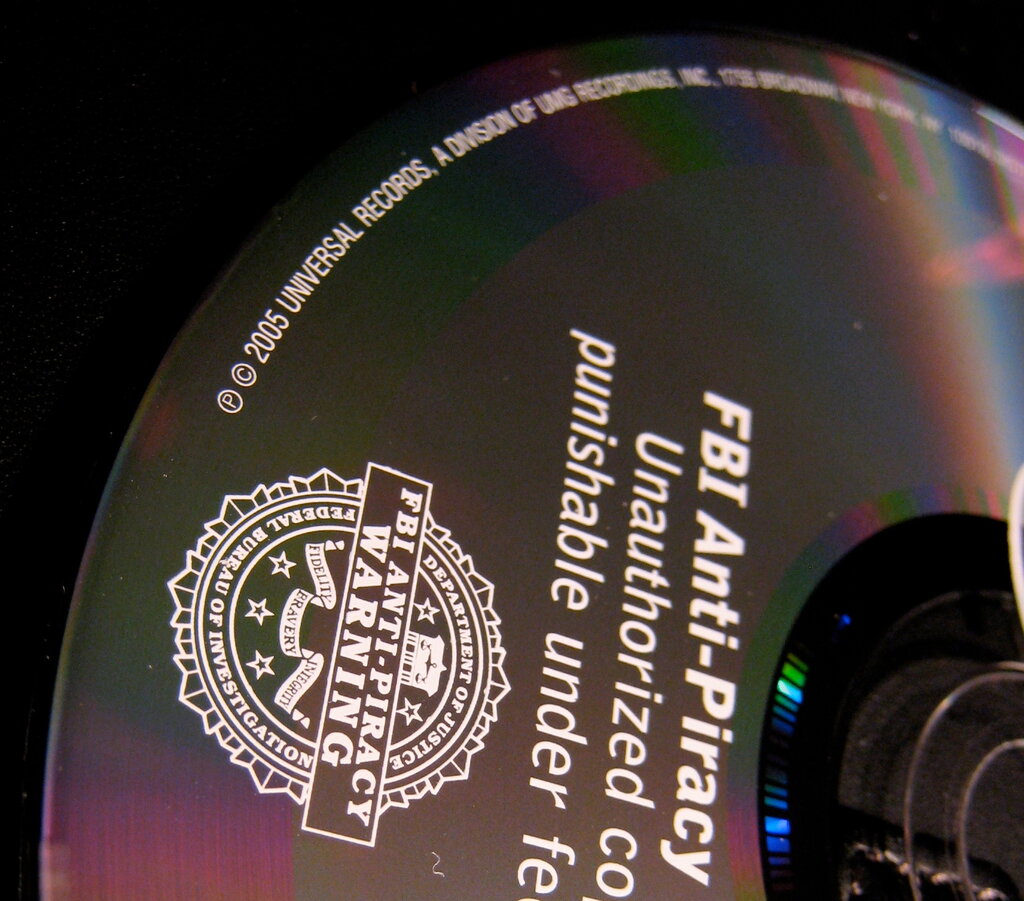
The law covers a wide range of creative works, including:
Literary works: Books, articles, poems, and computer code. Musical works: Compositions and lyrics. Dramatic works: Plays and screenplays. Artistic works: Paintings, drawings, sculptures, and photographs. Audiovisual works: Movies, television shows, and online videos. Sound recordings: The specific recording of a song or spoken word. Architectural works: Building designs.
A Creator's Exclusive Rights
Owning a copyright gives the creator a set of exclusive rights. These rights allow them to control their work and decide how it's used. If someone else wants to use the work, they generally need to get permission, often through a license.
Copyright law gives the owner of copyright the right to reproduce, prepare derivative works, distribute copies, perform the work publicly, display the work publicly, and, in the case of sound recordings, to perform the work publicly by means of a digital audio transmission.
Let’s break that down. A copyright holder has the exclusive right to:
- Reproduce the work: Make copies of it, like printing a book or burning a CD.
- Create derivative works: Make new works based on the original, such as translating a book into another language or making a movie based on a comic book.
- Distribute copies: Sell, rent, or lend copies of the work to the public.
- Perform the work publicly: For things like plays, music, or movies.
- Display the work publicly: For visual arts like paintings or photographs.
What Isn't Protected
Just as important as knowing what's protected is understanding what isn't. Copyright law has clear boundaries to ensure that the building blocks of creativity and knowledge remain free for everyone to use.
Ideas, procedures, methods, systems, processes, concepts, principles, or discoveries are not protected by copyright. Only the specific expression of those ideas is.
Here are some other things that can't be copyrighted:
- Facts: No one can own the fact that the earth revolves around the sun.
- Names, titles, and short phrases: These may sometimes be protected under trademark law, but not copyright.
- Works created by the U.S. Government: Documents and images produced by federal agencies are generally in the public domain, meaning they are free for anyone to use.
- Commonly known information: Things like standard calendars, height and weight charts, and tape measures.
Understanding these basic rules is the first step in navigating the world of creative work legally and ethically.