Copyright Law Essentials
Introduction to Copyright
What Is Copyright?
Copyright is a legal right that gives creators exclusive control over their original works. Think of it as a way to protect creative expression, from novels and songs to software and architectural designs.
Copyright
noun
A form of intellectual property law that protects original works of authorship as soon as the author fixes the work in a tangible form of expression.
The main purpose of copyright is to encourage creativity. By giving creators the ability to control and benefit from their work for a limited time, the law provides an incentive to produce new art, literature, music, and more. This protection is automatic. The moment you write a story, snap a photo, or record a song, your work is copyrighted. It doesn't require any special registration or forms.
Copyright law is intended to encourage people to create new works.
The key is that the work must be fixed in a tangible medium. This just means it has to be recorded in some way, whether it's written on paper, saved as a digital file, or captured on film. An idea for a novel that's only in your head isn't protected by copyright, but the manuscript you type out is.
What Copyright Protects
Copyright law is broad and covers a wide range of creative works. If it's an original work of authorship fixed in a tangible form, it's likely protected.
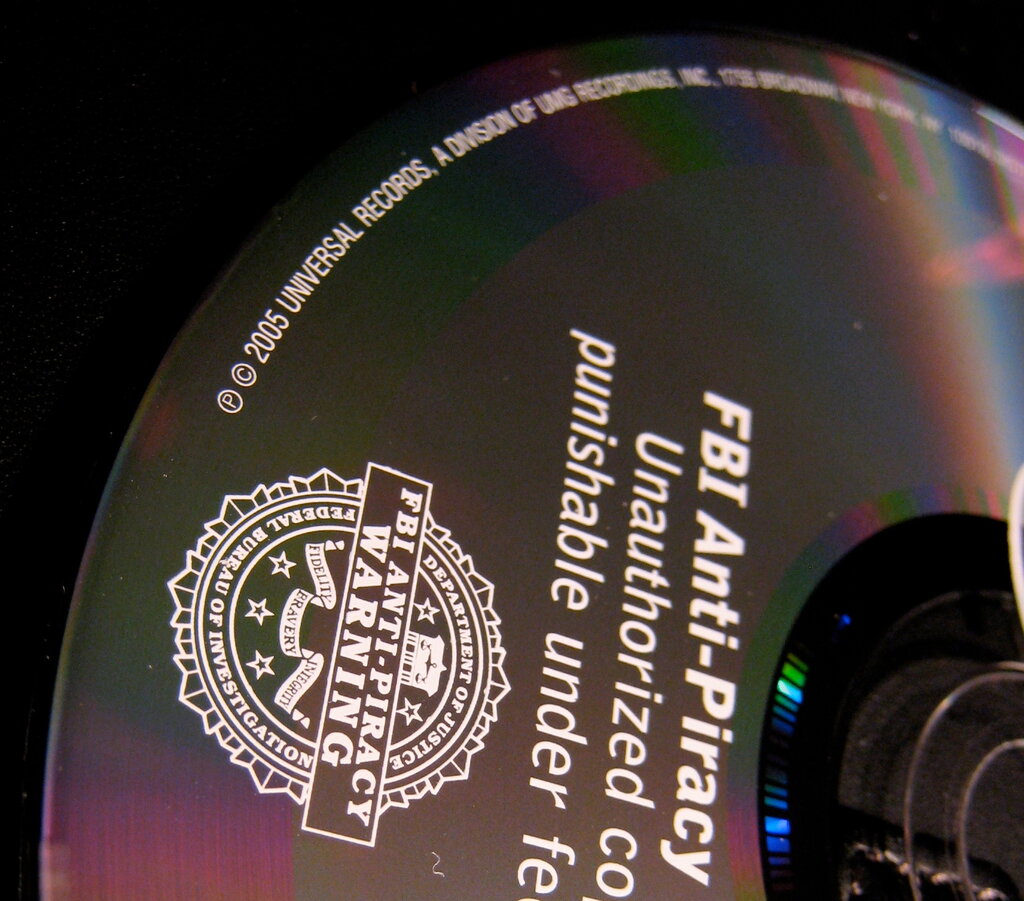
Here are some common categories of protected works:
| Category | Examples |
|---|---|
| Literary Works | Novels, poems, articles, computer code |
| Musical Works | Compositions, lyrics |
| Dramatic Works | Plays, screenplays, scripts |
| Visual Arts | Paintings, sculptures, photographs |
| Audiovisual Works | Movies, television shows, video games |
| Sound Recordings | Performances recorded on a CD or MP3 |
| Architectural Works | Building designs, blueprints |
Just as important is what copyright doesn't protect. You can't copyright a fact, an idea, a system, or a method of operation. For example, you can't copyright the idea of a boy wizard who goes to a magic school. But you can copyright a specific book about a particular character named Harry Potter. The protection applies to the unique expression, not the underlying concept.
Copyright law protects the expression of ideas, not the ideas themselves.
The Rights of a Copyright Holder
Owning a copyright gives the creator a bundle of exclusive rights. These rights allow them to control how their work is used and to profit from it. If someone wants to use the work in one of these ways, they typically need to get permission from the copyright owner, often through a license.
Let's break these down:
- Reproduce: This is the right to make copies. For a book, this means printing more copies. For a song, it means duplicating the audio file.
- Distribute: This is the right to sell or give copies to the public. Publishing a book, selling a DVD, or putting a song on a streaming service are all acts of distribution.
- Publicly Perform: This right applies to works like plays, music, and movies. It means performing them in a place open to the public, like a theater or concert hall, or broadcasting them on TV or radio.
- Publicly Display: This covers showing a copy of the work to the public. For a painting, it means exhibiting it in a gallery. For a photograph, it could mean posting it online.
- Create Derivative Works: This is the right to create a new work based on the original. Examples include translating a novel into another language, adapting a book into a movie, or creating a remix of a song.
How Long Does It Last?
Copyright protection doesn't last forever. The purpose is to give creators a temporary monopoly on their work before it eventually enters the public domain for everyone to use. The duration has changed over the years, but a general rule in most countries, including the United States, is now:
For works created by an individual, copyright lasts for the life of the author plus 70 years.
For works made for hire or works by anonymous or pseudonymous authors, the term is typically 95 years from the first publication or 120 years from the date of creation, whichever is shorter. This structure ensures that creative works eventually become part of our shared cultural heritage.
Now, test your understanding of these core concepts.
What is the primary purpose of copyright law?
A musician has an idea for a melody in their head but hasn't written it down or recorded it. Is this melody protected by copyright?