Copyright Law Essentials
Introduction to Copyright
What Is Copyright?
Copyright is a legal tool that protects original works of authorship. Think of it as a set of exclusive rights given to creators for their literary, artistic, and musical creations. The moment you create something original and fix it in a tangible form—like writing a story, taking a photo, or composing a song—you automatically have a copyright in that work.
The main purpose of copyright law is to encourage creativity. By giving creators control over their work for a limited time, it allows them to benefit from their efforts. This incentive helps fuel the creation of new art, literature, and science that enriches society as a whole.
copyright
noun
A form of legal protection that grants the creator of an original work exclusive rights to its use and distribution, usually for a limited time.
These rights allow the creator to decide how their work is used and to prevent others from using it without permission.
What Copyright Protects
Copyright protection covers a broad range of creative works. To be protected, a work must be original and fixed in a tangible medium. This means it can't just be an idea in your head; it has to be recorded in some way, whether written down, saved to a hard drive, or captured on film.
Protected works include: books, articles, music, lyrics, photographs, paintings, sculptures, movies, TV shows, video games, computer software, and architectural designs.
A crucial point is that copyright protects the expression of an idea, not the idea itself. For example, the idea of a wizard school is not protected by copyright. Anyone can write a story about a school for wizards. However, the specific characters, plot points, and text of the Harry Potter books are protected expressions of that idea. This distinction allows creativity to build on common themes and concepts without infringing on specific works.
A Creator's Exclusive Rights
A copyright owner holds a bundle of exclusive rights. These rights give them the authority to control how their work is used. If someone else wants to use the work in any of these ways, they typically need to get permission, often through a license.
| Right | What It Means | Example |
|---|---|---|
| Reproduction | To make copies of the work. | Printing copies of a photograph. |
| Distribution | To sell or give away copies to the public. | Selling an e-book online. |
| Public Performance | To perform the work in public. | A band playing a song at a concert. |
| Public Display | To show a copy of the work in public. | An art gallery showing a painting. |
| Derivative Works | To create new works based on the original. | Translating a novel into another language. |
Duration and Registration
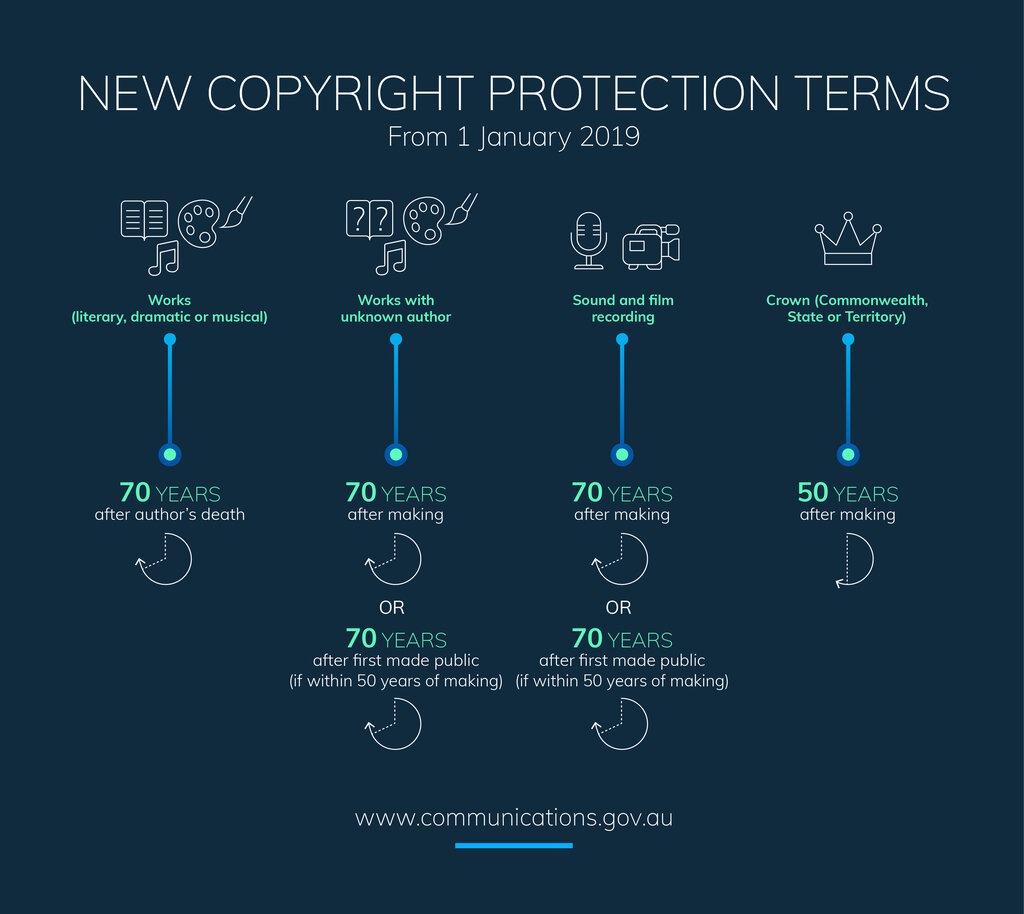
Copyright protection doesn't last forever. The duration depends on several factors, including when the work was created and who created it. For most works created today by an individual author, copyright lasts for the life of the author plus 70 years. For works made for hire or anonymous works, protection typically lasts for 95 years from publication or 120 years from creation, whichever is shorter.
While copyright is automatic upon creation, registering your work with a national copyright office, like the U.S. Copyright Office, provides significant benefits. Registration creates a public record of your ownership, which is necessary if you ever need to sue someone for infringement in court. It also allows you to claim statutory damages and attorney's fees, which can be much higher than the actual monetary harm caused by the infringement.
Copyright Infringement
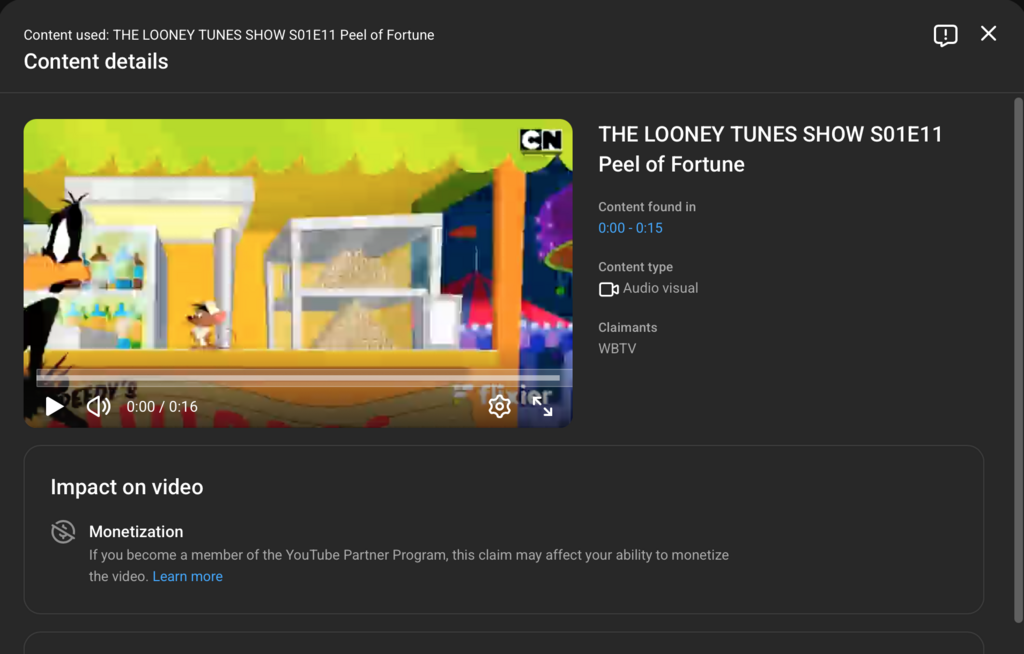
Copyright infringement occurs when someone violates one of the copyright holder's exclusive rights without permission. This could be as simple as downloading a movie from an unauthorized website or using a copyrighted song in your video without a license.
Knowing what copyright infringement is, how it works, and what it looks like in real-world situations is the first step toward protecting your business from costly legal issues.
The consequences of infringement can be serious. A copyright holder can sue an infringer in civil court and may be awarded monetary damages. In some cases, a court can also issue an injunction to stop the infringing activity. For willful or commercial-scale infringement, there can even be criminal penalties, including fines and imprisonment.
To stay on the right side of the law, it's always best to assume a work is copyrighted. Before using someone else's creative work, seek permission or make sure you have a proper license.
When does copyright protection for an original work of authorship typically begin?
Which of the following is protected by copyright?
Understanding these core principles of copyright is the first step toward using media legally and ethically in your own creative projects.