Copyright Law Essentials
Introduction to Copyright
What Is Copyright?
When you create something original, like a song, a story, or a photograph, the law automatically gives you a special set of rights over it. This is called copyright. It's a legal tool that protects your work from being used by others without your permission.
Copyright is the legal concept that works—art, writing, images, music, and more—belong to the people who create them.
Think of it as a way to ensure that creators can control and benefit from their efforts. This encourages people to keep making new things, knowing their work is protected. You don't need to file any paperwork or even add the © symbol for your work to be copyrighted; the protection is automatic the moment the work is created and fixed in a tangible form, like being written down or recorded.
What Copyright Protects
Copyright doesn't protect just anything. It applies to "original works of authorship" that are fixed in a tangible medium. This covers a wide range of creative expressions.
| Category | Examples |
|---|---|
| Literary Works | Novels, poems, articles, computer software |
| Musical Works | Compositions and lyrics |
| Dramatic Works | Plays, screenplays, and any accompanying music |
| Artistic Works | Paintings, drawings, photographs, sculptures |
| Audiovisual Works | Movies, television shows, online videos |
| Sound Recordings | A recording of a song or spoken word |
| Architectural Works | Building designs |
It's important to know that copyright protects the specific expression of an idea, not the idea itself. For example, the idea of a wizard school is not copyrightable, but the specific stories, characters, and text of the Harry Potter books are.
Facts, names, short phrases, and titles cannot be copyrighted. They are considered common property for everyone to use.
Rights and Duration
Copyright holders have a bundle of exclusive rights. These allow them to control how their work is used and distributed. If you own the copyright to a work, you have the sole right to:
- Reproduce the work (make copies).
- Distribute copies of the work to the public.
- Perform or display the work publicly.
- Create derivative works, which are new works based on the original (like a movie based on a book).
These rights aren't forever. Copyright protection lasts for a limited time, which allows works to eventually enter the public domain for everyone to use freely. The duration can be complex and varies by country and when the work was created.
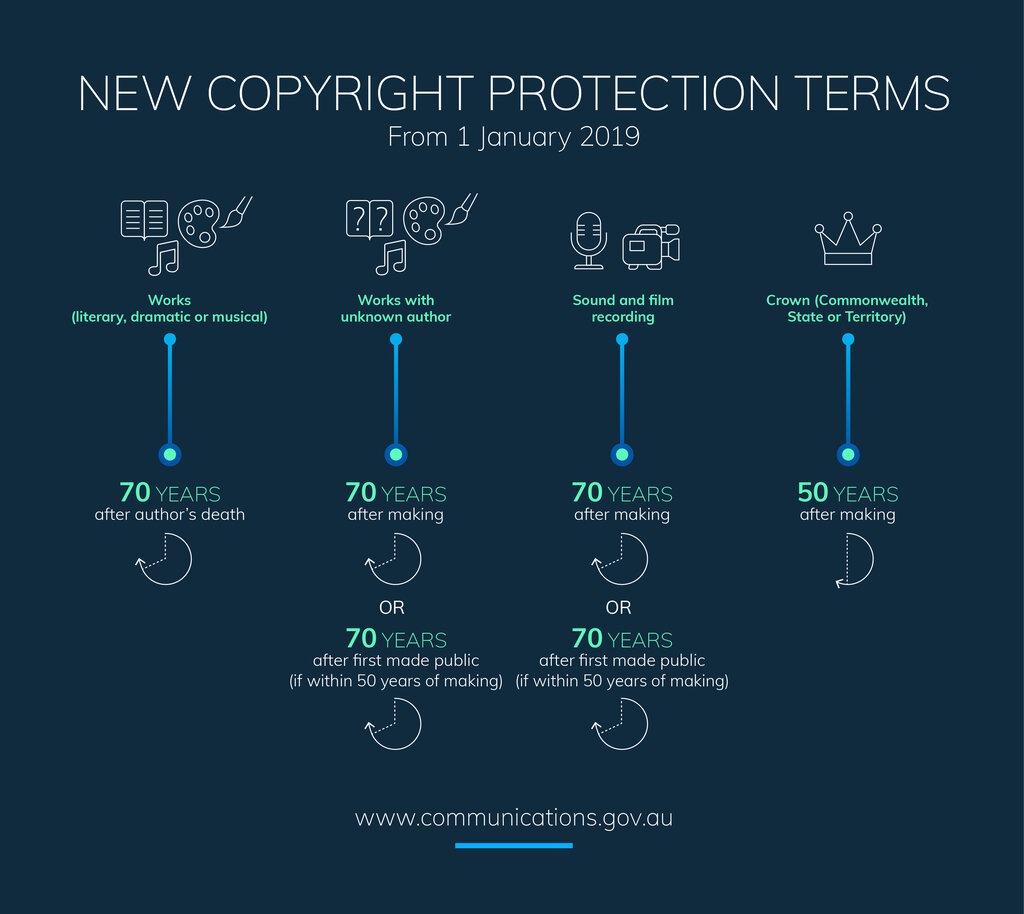
In the United States, a general rule for works created by an individual is that copyright lasts for the life of the author plus 70 years. For works made for hire or anonymous works, the term is typically 95 years from publication or 120 years from creation, whichever is shorter. This long duration ensures that creators and their heirs can benefit from their work for a significant period.
Understanding these basic principles is the first step in respecting the rights of creators and protecting your own original work.