Copyright Law Essentials
Introduction to Copyright
What Is Copyright?
Copyright is a legal right that protects original works of authorship. Think of it as a tool that gives creators control over how their work is used. The main purpose is to encourage people to create new things—from novels and songs to software and photographs—by ensuring they can benefit from their efforts.
Copyright law is intended to encourage people to create new works.
When someone creates something original and puts it into a tangible form, copyright protection automatically applies. The creator doesn't need to file any paperwork or even add a copyright notice, though it's often a good idea. This protection gives them the exclusive right to decide who can copy, share, and adapt their work.
copyright
noun
A form of legal protection that grants the creator of an original work exclusive rights to its use and distribution.
What Copyright Covers
Copyright applies to a wide range of creative works. It's not just for best-selling novels or hit songs. The moment you write a poem, take a photo, or record a video, you've created a work that is likely protected by copyright. For protection to apply, the work must be both original and "fixed."
Originality means the work was independently created and has at least a small spark of creativity. Fixation means it has been captured in a stable format that can be perceived or reproduced. A story that’s only in your head isn't protected, but the moment you write it down or record yourself telling it, it is.
Here are some common categories of works protected by copyright:
- Literary works: Books, articles, poems, and computer code.
- Musical works: Compositions and lyrics.
- Dramatic works: Plays and screenplays.
- Artistic works: Paintings, sculptures, photographs, and drawings.
- Audiovisual works: Movies, television shows, and online videos.
- Sound recordings: The specific recording of a song or spoken word.
- Architectural works: Building designs.
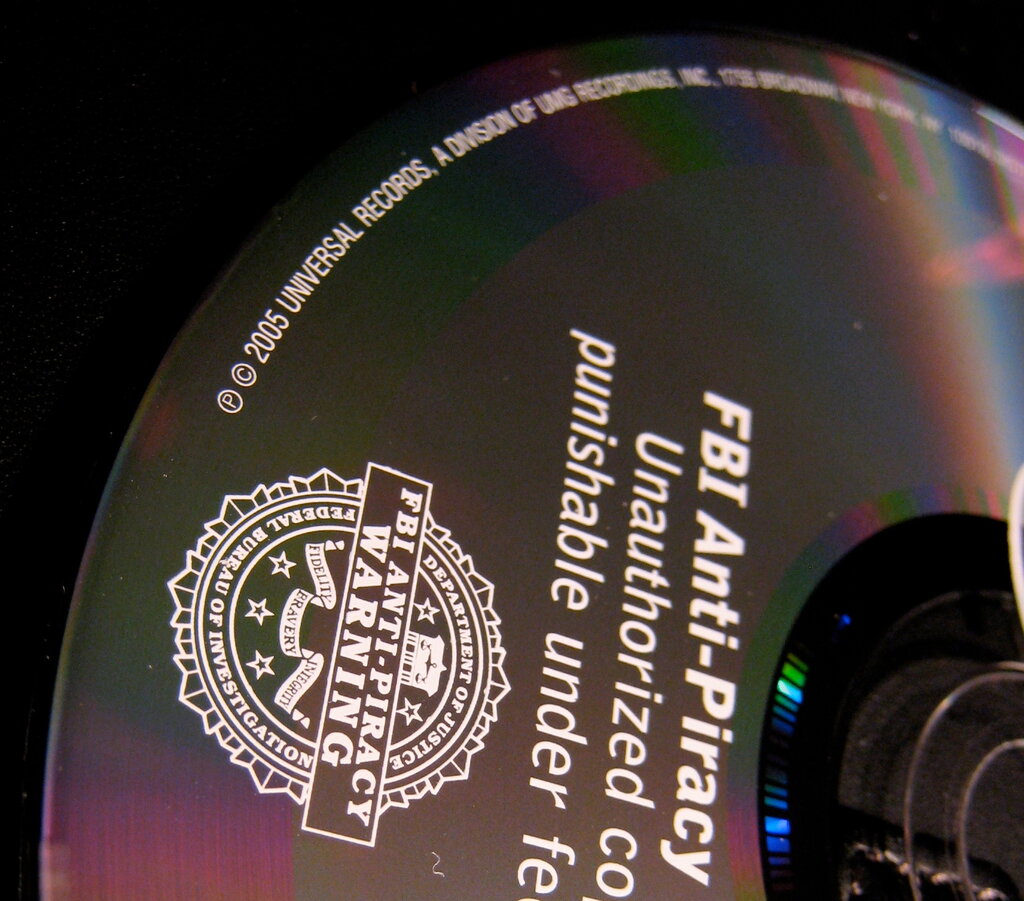
The Rights of a Copyright Holder
Owning a copyright gives you a specific set of exclusive rights. These rights allow you to control how your work is used and to authorize others to use it, often through a license. If you hold the copyright to a work, you have the sole right to:
| Right | Description |
|---|---|
| Reproduce | Make copies of the work (e.g., printing a book, duplicating a file). |
| Distribute | Share or sell copies to the public. |
| Create derivative works | Adapt the work into a new creation (e.g., making a movie from a book). |
| Perform publicly | Perform the work in public (e.g., a play or a song). |
| Display publicly | Show a copy of the work in public (e.g., an artwork in a gallery). |
These rights are divisible, meaning a creator can sell or license some of them while keeping others. For instance, an author might grant a publisher the right to reproduce and distribute their book but retain the right to create a movie adaptation.
Ideas vs. Expression
A crucial concept in copyright law is the distinction between an idea and its expression. Copyright protects the specific way an idea is expressed, not the idea itself. This is known as the idea-expression dichotomy.
Copyright law protects the expression of ideas, not the ideas themselves.
For example, the idea of a young wizard who attends a magical school is not protected by copyright. Anyone is free to write a story based on that general concept. However, the specific characters, plot points, and descriptive language J.K. Rowling used to express that idea in the Harry Potter series are protected. You can't copy her text or create a new story with Harry, Ron, and Hermione without permission.
This principle ensures that copyright encourages creativity by protecting individual works without locking up the fundamental ideas and concepts that all creators build upon.