Copyright Essentials for Media Use
Introduction to Copyright
What Is Copyright?
Copyright is a legal right that protects original works of authorship. Think of it as a shield for creativity. Its main purpose is to encourage people to create new things—like books, songs, and software—by giving them control over how their creations are used.
Copyright law is intended to encourage people to create new works.
When someone creates something original and puts it into a fixed form, like writing it down or recording it, copyright automatically gives them a set of exclusive rights. This protection is a cornerstone of intellectual property, which covers creations of the mind.
What Can Be Copyrighted?
Copyright law is broad, covering a wide range of creative expressions. For a work to be protected, it must be original and fixed in a tangible medium. This means you can't copyright a simple idea in your head, but you can copyright the way you express that idea.
Copyright law protects the expression of ideas, not the ideas themselves.
For example, the idea of a secret agent who saves the world isn't copyrightable. But the specific character of James Bond, with his unique stories, dialogue, and style, is. Another author is free to write their own story about a different secret agent.
Here are some common types of works that receive copyright protection:
- Literary works: Books, poems, articles, and computer code.
- Musical works: Compositions and lyrics.
- Artistic works: Paintings, drawings, sculptures, and photographs.
- Dramatic works: Plays, musicals, and screenplays.
- Audiovisual works: Movies, TV shows, and online videos.
- Architectural works: Building designs.
The Rights of a Copyright Holder
A copyright holder is granted a bundle of exclusive rights. These rights give them the power to decide how their work is used and to prevent others from using it without permission. Let's break down what these key rights mean.
| Right | What It Means |
|---|---|
| Reproduction | The right to make copies of the work. |
| Distribution | The right to share or sell copies to the public. |
| Public Performance | The right to perform the work publicly (e.g., a play or song). |
| Public Display | The right to show a copy of the work publicly (e.g., a painting in a gallery). |
| Derivative Works | The right to create new works based on the original (e.g., a movie based on a book). |
These rights allow creators to benefit from their work, whether through recognition or financial gain. They can also choose to sell or license these rights to others.
How Protection Begins
One of the most important things to understand about copyright is that it's automatic. Protection begins the moment a creative work is “fixed in a tangible medium of expression.”
What does that mean? It means the work exists in a stable form that can be perceived or reproduced. Writing a poem on paper, saving a digital photo, or recording a song are all examples of fixation. You don't need to file any paperwork, register with a government office, or even use the copyright symbol (©) for your work to be protected.
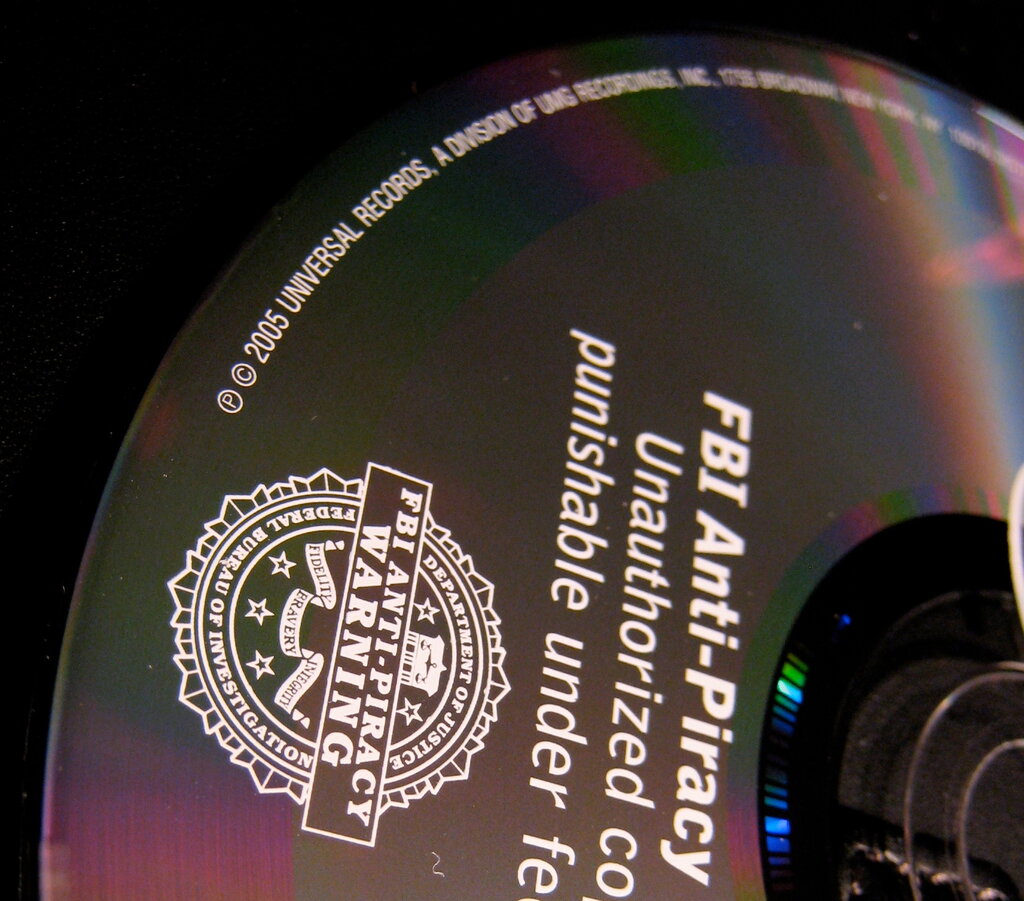
While registration and notices have legal benefits, the fundamental protection is there from the moment of creation. This ensures that creators are immediately empowered to control their original works.