Cooperation Skills for Children with NDD
Understanding Autism and NDD
A Different Way of Being
Everyone’s brain is wired a bit differently. Most people's brains work in a similar way, often called 'neurotypical'. But some people's brains are wired in ways that are significantly different. This isn't a defect; it's simply a variation in the human brain. This idea is called neurodiversity.
Neurodiversity
noun
The concept that differences in brain function and behavioural traits are natural variations of the human brain, not deficits. It includes conditions like autism, ADHD, and dyslexia.
Neurodevelopmental differences (NDDs) are a group of conditions where the development of the central nervous system is altered. This can affect learning, emotion, self-control, and memory. Autism Spectrum Disorder (ASD) is one of the most well-known NDDs.
Autism is characterised by two main areas of difference:
- Social Communication and Interaction: This can mean finding it hard to interpret non-verbal cues like tone of voice or body language. Small talk might feel unnatural, or making and keeping friends can be a challenge.
- Restricted and Repetitive Behaviours: This can include having deep, passionate interests in specific subjects, finding comfort in routines and repetition, or experiencing the world through sensory sensitivities, like being highly sensitive to certain sounds, lights, or textures.
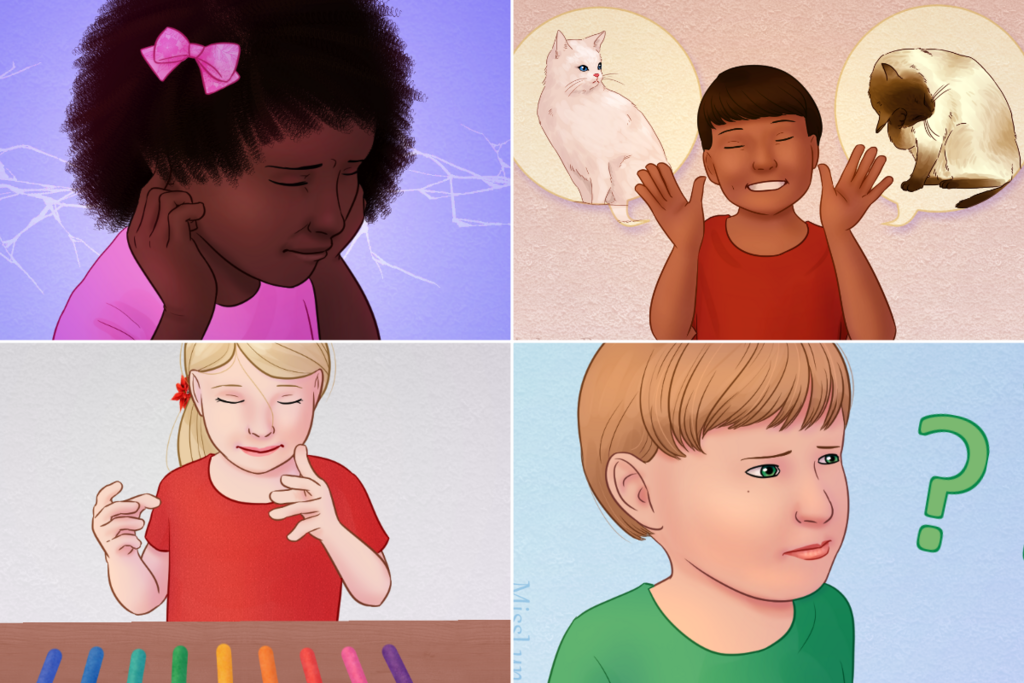
These differences aren't just quirks. They represent a fundamentally different way of processing the world. For example, a child who avoids eye contact might not be shy or defiant; they may find direct eye contact overwhelming or distracting. A child who needs to follow the same routine every day isn't being difficult; they are creating predictability in a world that can feel chaotic and confusing.
Many challenges are not caused by the condition itself, but by a mismatch between a child's needs and an environment not designed for them.
A Spectrum of Strengths
Focusing only on challenges misses half the picture. Children with NDDs possess a unique set of strengths that are just as important to recognise.
An intense interest in a topic can lead to incredible expertise and focus. A preference for logic over social nuance can result in honesty and a strong sense of fairness. Attention to detail might make them excellent at tasks that require precision. Many autistic people are known for being deeply loyal, creative problem-solvers, and sincere friends.
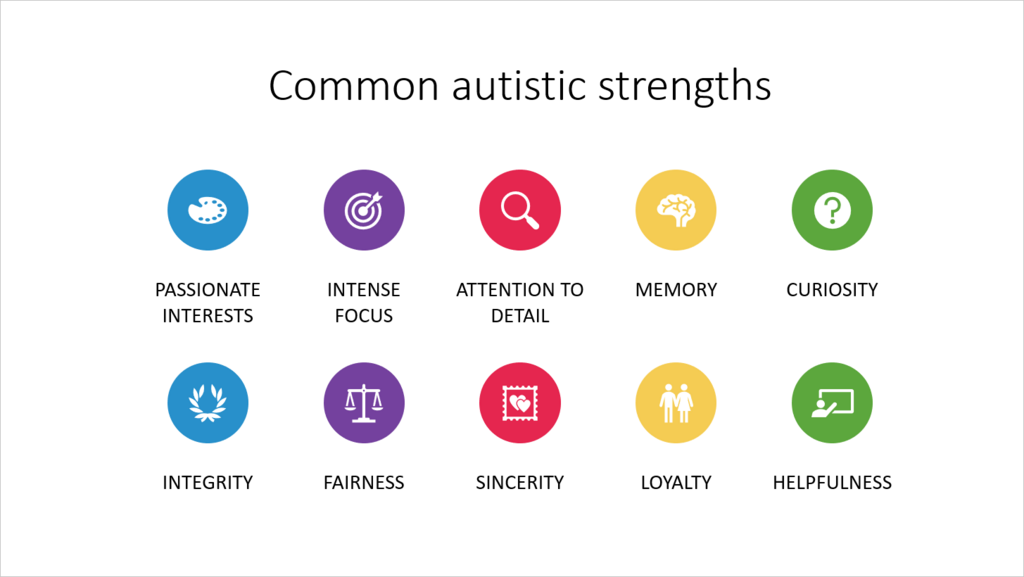
Recognising these abilities is not about ignoring difficulties. It’s about seeing the whole child. When we understand their strengths, we can help them find ways to use those strengths to navigate their challenges.
The Power of Empathy
Before we can offer effective support, we must first try to understand. Empathy is the foundation of any meaningful relationship-based approach. It means setting aside our own assumptions about how someone should behave and trying to see the world from their perspective.
Think about what it might feel like to be in a room where the lights are painfully bright and you can hear every single background noise with equal intensity. Or imagine trying to have a conversation where you have to manually process every facial expression and tone of voice like you're translating a foreign language.
One of the primary ways to support twice-exceptional individuals is through understanding and empathy.
This perspective shift is crucial. When a child has a meltdown, empathy allows us to ask, "What is causing this distress?" instead of seeing it as 'bad behaviour'. Is it sensory overload? A break in routine? An inability to communicate a need?
By understanding the 'why' behind a child's actions, we move from trying to control their behaviour to helping them manage their environment and emotions. This builds trust and opens the door for genuine cooperation.
What is the core idea behind the concept of 'neurodiversity'?
According to the text, which of the following are the two main areas of difference characterising autism?