Conveyancing Law Essentials
Introduction to Conveyancing
What Is Conveyancing?
Buying or selling a house is more than just agreeing on a price and handing over the keys. There's a formal legal process that ensures the property officially and legally changes hands. This process is called conveyancing.
conveyancing
noun
The legal process of transferring ownership of real property from one person (the seller or vendor) to another (the buyer or purchaser).
Think of it as the administrative and legal marathon that happens behind the scenes. Its main purpose is to make sure the buyer receives a clean title to the property. This means no one else can claim ownership, and there are no hidden debts or legal issues tied to the land that could cause problems later. For the seller, it ensures they are paid correctly and are no longer legally responsible for the property.
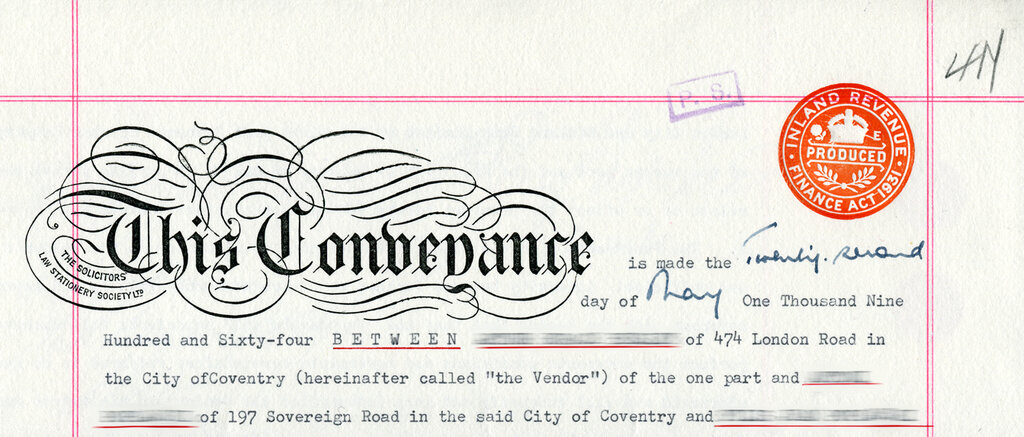
The deed is the legal document that transfers ownership of the property from the seller to the buyer.
Essentially, conveyancing protects both parties. It formalizes the agreement and makes the transfer of ownership official in the eyes of the law.
The Key Players
While a real estate agent helps you find a home or a buyer, they don't handle the legal transfer. Several key people are involved in the conveyancing process to ensure everything goes smoothly.
| Party | Role |
|---|---|
| Buyer (Purchaser) | The person or entity acquiring the property. Their main job is securing funds and signing documents. |
| Seller (Vendor) | The current owner of the property who is selling it. They must provide all necessary legal documents. |
| Conveyancer / Solicitor | A legal professional who handles the paperwork, conducts searches, and ensures the transfer is legally sound. Both the buyer and seller have their own. |
| Lender / Mortgagee | The bank or financial institution providing the loan to the buyer. They have a vested interest in ensuring the property has a clean title. |
The most important relationship is the one you'll have with your conveyancer or solicitor. They are your guide through the legal maze, acting on your behalf to handle all the complex details, from drafting contracts to checking for any restrictions on the property.
A Quick Look at the Process
Conveyancing isn't a single event but a sequence of steps. While the specifics can vary, the process generally follows three main stages.
1. Pre-Contract Stage
Once an offer is accepted, the conveyancing work begins. The seller's conveyancer prepares a draft contract and sends it to the buyer's conveyancer. The buyer's side then performs due diligence. This includes conducting various "searches" to uncover important information about the property, such as checking for planning permissions, local disputes, or whether a new motorway is planned nearby.
2. Exchange of Contracts
This is the point of no return. Once both parties are happy with the contract and the search results, they sign and exchange legally identical contracts. The buyer usually pays a deposit at this stage. After the exchange, the agreement is legally binding. Pulling out now would have serious financial consequences.
3. Completion
This is the final stage where the deal is sealed. On completion day, the buyer's conveyancer sends the remaining funds to the seller's conveyancer. Once the money is received, the seller vacates the property and hands over the keys. The buyer's conveyancer then registers the transfer of ownership with the official Land Registry, and the property legally belongs to the buyer.
While it seems complicated, each step is designed to make sure the transfer of a property is fair, transparent, and secure for everyone involved.
This foundational process is the backbone of almost every property transaction, ensuring that what is often the biggest purchase of a person's life is handled with legal care and precision.