Conversational Spanish Mastery
Conversational Foundations
The Sound of Spanish
Spanish pronunciation is more consistent than English. Once you learn the sound for each letter, you can confidently pronounce almost any word you see. Let's start with the vowels. There are only five vowel sounds in Spanish, and they are always pure and short.
- A is always "ah" (like in "father")
- E is always "eh" (like in "get")
- I is always "ee" (like in "see")
- O is always "oh" (like in "go")
- U is always "oo" (like in "food")
A few consonants are also different. The letter H is always silent. The letter J sounds like the "h" in "hello." The double-LL, as in llamar, sounds like the "y" in "yes." And of course, there's the rolled R. Don't worry about perfecting it right away; people will still understand you even if your roll isn't perfect.
First Impressions
The foundation of any conversation is knowing how to say hello and goodbye. These simple words open the door to connection.
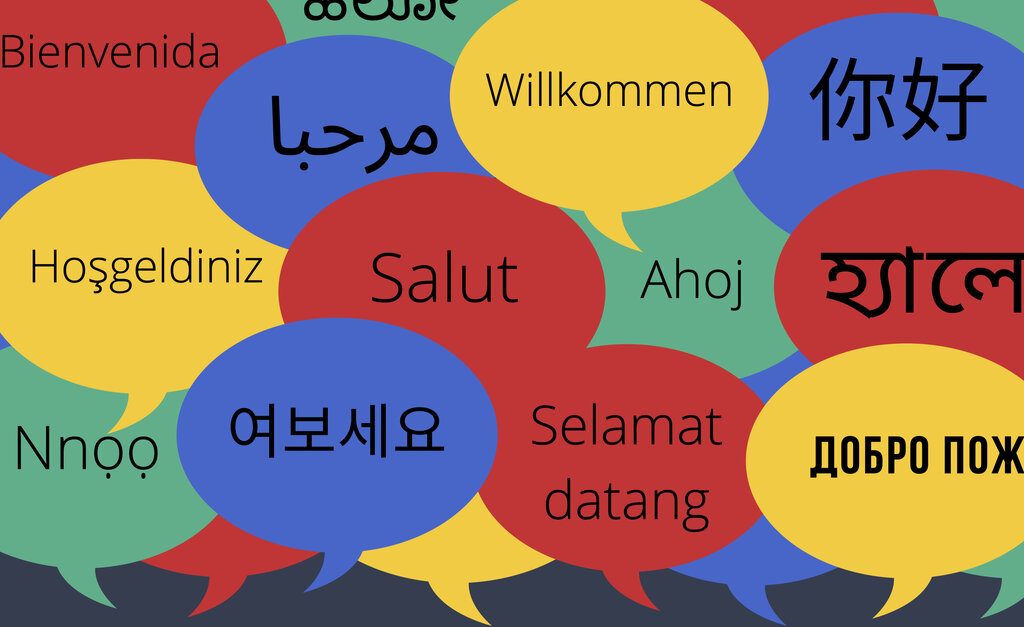
The most common greeting is simple and friendly.
Hello
You can also greet people based on the time of day.
| Spanish Phrase | English Translation | When to Use |
|---|---|---|
| Buenos días | Good morning | From morning until noon |
| Buenas tardes | Good afternoon | From noon until evening |
| Buenas noches | Good evening/night | From evening until the next morning |
When it's time to leave, you have a few options. Adiós is a general-purpose "goodbye."
Goodbye
However, a more common and casual way to say goodbye is hasta luego, which literally means "until later."
See you later
Use Adiós when you don't expect to see the person again for a while. Use Hasta luego for everyday goodbyes, like when leaving a shop or parting with a friend you'll see again soon.
Making Introductions
After saying hello, the next step is to introduce yourself. To ask someone their name, you say:
What is your name?
This is the informal way to ask, which you would use with people your age. To respond, you say:
My name is...
Let's put it together in a mini-conversation:
Ana: ¡Hola! ¿Cómo te llamas? Carlos: Me llamo Carlos. ¿Y tú? Ana: Me llamo Ana. ¡Mucho gusto! Carlos: Igualmente.
Mucho gusto means "Nice to meet you," and Igualmente means "Likewise."
Asking and Answering
Simple questions keep a conversation going. A great one to learn is how to ask someone how they are.
How are you?
Here are a few common ways to respond:
| Spanish Response | English Meaning |
|---|---|
| Estoy bien, gracias. | I'm fine, thank you. |
| Muy bien. | Very well. |
| Más o menos. | So-so / More or less. |
After you answer, it's polite to ask the other person how they are. You can do this by simply saying ¿Y tú? which means "And you?"
Numbers and Time
Numbers are essential for everything from getting a phone number to telling time. Let's start with one through ten.
- uno
- dos
- tres
- cuatro
- cinco
- seis
- siete
- ocho
- nueve
- diez
Knowing numbers helps you talk about time. To ask for the time, you say:
What time is it?
To answer, you use the verb ser. For one o'clock, you say Es la una. For all other hours, you use the plural form, Son las...
- Es la una. (It's one o'clock.)
- Son las dos. (It's two o'clock.)
- Son las cinco. (It's five o'clock.)
To add minutes, you use y (and). For example, Son las dos y diez is "It's 2:10." To say it's half past the hour, use y media. Son las tres y media is "It's 3:30."
Ready to test your knowledge? Let's see what you've learned.
How is the letter 'J' pronounced in Spanish?
If someone asks ¿Qué hora es? and the clock reads 3:30, what is the correct response?
With these basics, you have the tools to start your first simple conversations in Spanish. The key is to practice them until they feel natural. ¡Buena suerte! (Good luck!)