Conversational Japanese Essentials
Greetings and Politeness
Greetings for Every Occasion
In Japan, the time of day determines how you greet someone. Unlike a simple "hello," Japanese greetings change depending on whether it's morning, afternoon, or evening. This shows awareness and respect for the context of the conversation.
Let's start with the morning. To say "Good morning," you use:
Good morning
This is a polite greeting used until around 10 or 11 AM. You would say it to your colleagues when you arrive at work or to a shopkeeper in the morning.
Once the day is underway, the greeting changes. From late morning until sunset, the standard "hello" is:
Hello / Good afternoon
This is probably the most famous Japanese greeting and is a safe and polite choice for most daytime situations. When in doubt during the day, こんにちは is the way to go.
Finally, when evening arrives, you'll switch to a different phrase.
Good evening
Use this greeting when you meet someone after the sun has gone down, for example, when entering a restaurant for dinner or meeting friends for the evening.
Essential Polite Phrases
Politeness is a cornerstone of Japanese culture, and language plays a huge role in expressing it. Mastering a few key phrases will make your interactions much smoother and more respectful.
In Japanese culture, greetings are more than just words; they are a reflection of respect and politeness.
First, let's learn how to express gratitude. To say "Thank you" politely, you use:
Thank you
This is a formal and very common way to show appreciation. You can use it in almost any situation, from a store clerk handing you a purchase to someone holding a door open for you.
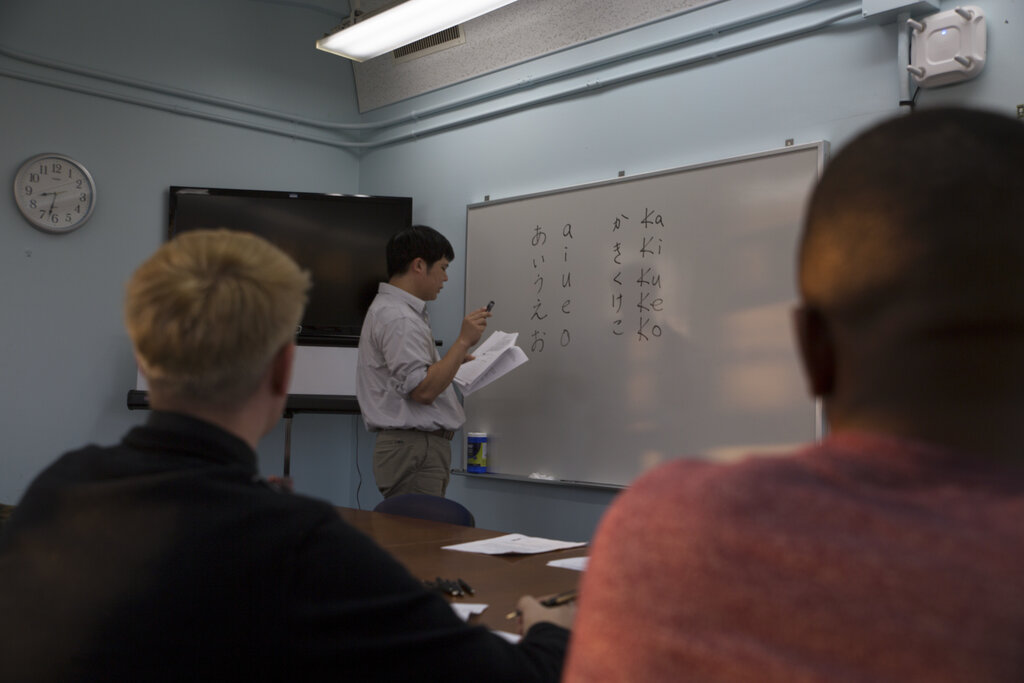
Next is a very versatile and important phrase.
Excuse me / I'm sorry
すみません is a powerful word with three main uses.
You can use
すみませんto get someone's attention (like a waiter), to apologize for a small mistake (like bumping into someone), or even to say "thank you" when someone does something for you that caused them a bit of trouble.
For a more direct apology, especially to people you know, you would use:
I'm sorry
This phrase is closer to a heartfelt "I'm sorry" and is typically used when you've genuinely made a mistake and want to apologize sincerely. While すみません can be used for minor inconveniences, ごめんなさい carries more weight.
Let's review these essential phrases.
| Phrase | Pronunciation | Meaning & Context |
|---|---|---|
| おはようございます | Ohayou gozaimasu | Good morning (used until ~11 AM) |
| こんにちは | Konnichiwa | Hello / Good afternoon (used from ~11 AM to sunset) |
| こんばんは | Konbanwa | Good evening (used after sunset) |
| ありがとうございます | Arigatou gozaimasu | Thank you (polite) |
| すみません | Sumimasen | Excuse me / Sorry (for minor things) / Thanks |
| ごめんなさい | Gomen nasai | I'm sorry (a more direct apology) |
Getting comfortable with these greetings and expressions is the first step toward having natural conversations. Let's practice them with some flashcards.
Now, let's check your understanding.
You arrive at your office at 9 AM. What is the most appropriate way to greet your colleagues?
Which greeting is the most versatile for general use during the daytime, from late morning until sunset?
Using the right greeting at the right time and knowing how to be polite are fundamental skills. They show respect and make a great first impression.