Control Systems Problem Solving
Control Systems Basics
What is a Control System?
At its heart, a control system is simply a setup that manages the behavior of another system. Think about driving a car. Your brain acts as a control system. Your goal is to keep the car in the lane. You take in information from your eyes (the car's position), process it, and send signals to your hands on the steering wheel to make adjustments. The car, the lane, and you working together form a control system.
The goal is always to get a system—whether it’s a car, a chemical plant, or a robot arm—to behave in a specific, desired way. To do this, every control system has three basic parts: an input (the desired result), a process (the system being controlled), and an output (the actual result).
Two Main Flavors
Control systems generally come in two types: open-loop and closed-loop. The difference is all about whether the system pays attention to its own results.
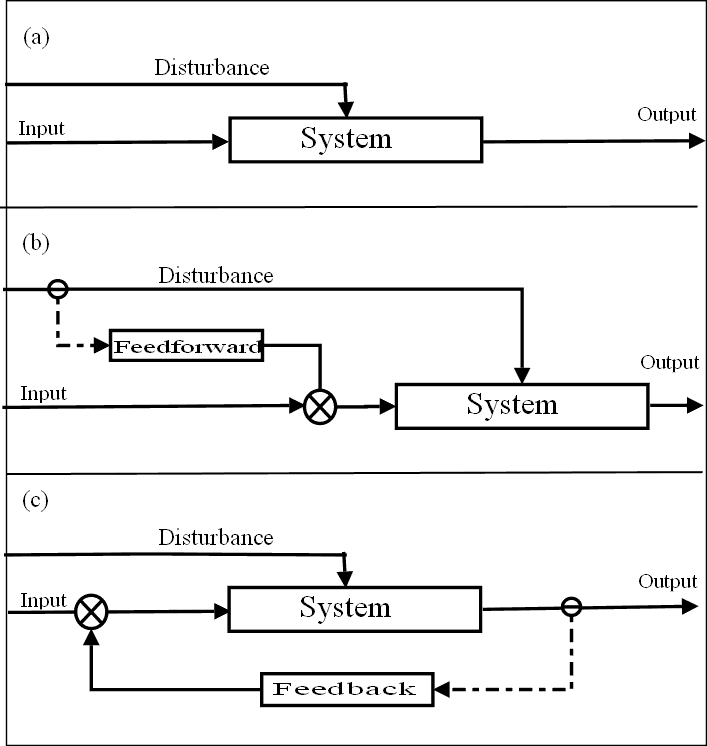
An open-loop system runs without checking its output. It follows its instructions and hopes for the best. A simple toaster is a perfect example. You set a timer, and the heating elements run for that amount of time. It doesn't matter if the bread is perfectly toasted or burnt to a crisp; the toaster doesn't know the difference.
These systems are simple and often inexpensive. However, they can't compensate for unexpected changes, called disturbances. If you put in a frozen slice of bread, the same timer setting won't give you the same result.
A closed-loop system, on the other hand, constantly checks its output and adjusts. This is possible because it uses feedback.
Your home's thermostat is a classic closed-loop system. You set a desired temperature (the input). The thermostat measures the current room temperature (the output) and compares the two. If the room is too cold, it turns on the furnace. Once the desired temperature is reached, it shuts the furnace off. This cycle of measuring, comparing, and adjusting is the core of a closed-loop system.
The Magic of Feedback
Feedback is what makes closed-loop systems smart. It’s the process of taking the output of a system and “feeding it back” to the input. This creates a loop of information.
Feedback
noun
Information about the output of a system that is used to modify its input.
In a closed-loop system, the feedback signal (the actual output) is compared to the reference signal (the desired output). The difference between them is called the error signal. If the error is zero, the system is doing exactly what it's supposed to. If the error is not zero, the system needs to make a change.
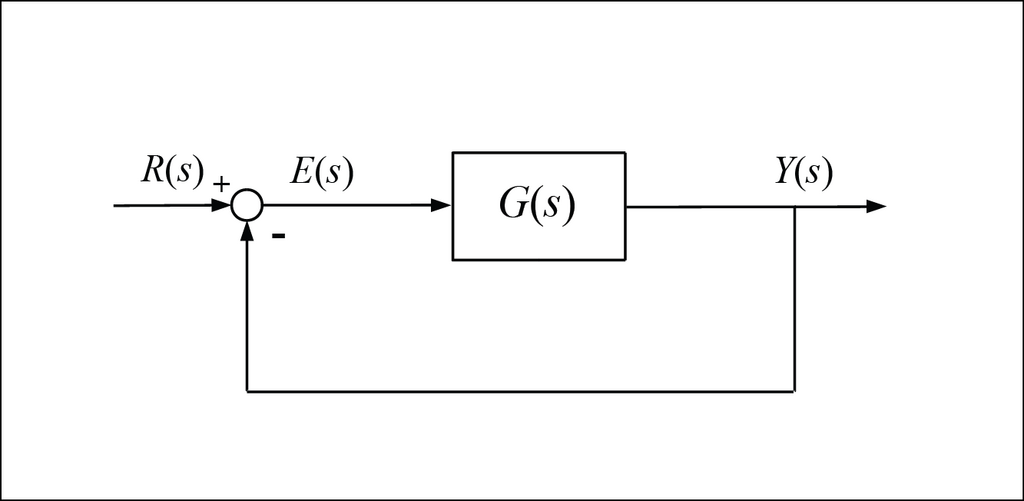
This error signal is the key. It's the information that tells the system what to do next. A positive error might mean "speed up," while a negative error could mean "slow down."
The Role of the Controller
So, what part of the system actually looks at the error signal and decides what to do? That’s the job of the controller.
The controller is the brain of the operation. It takes the error signal as its input and produces a new, adjusted control signal as its output. This new signal is sent to the main process to correct its behavior.
In our thermostat example, the controller is the electronic circuit that decides whether to send an "on" or "off" signal to the furnace based on the temperature difference.
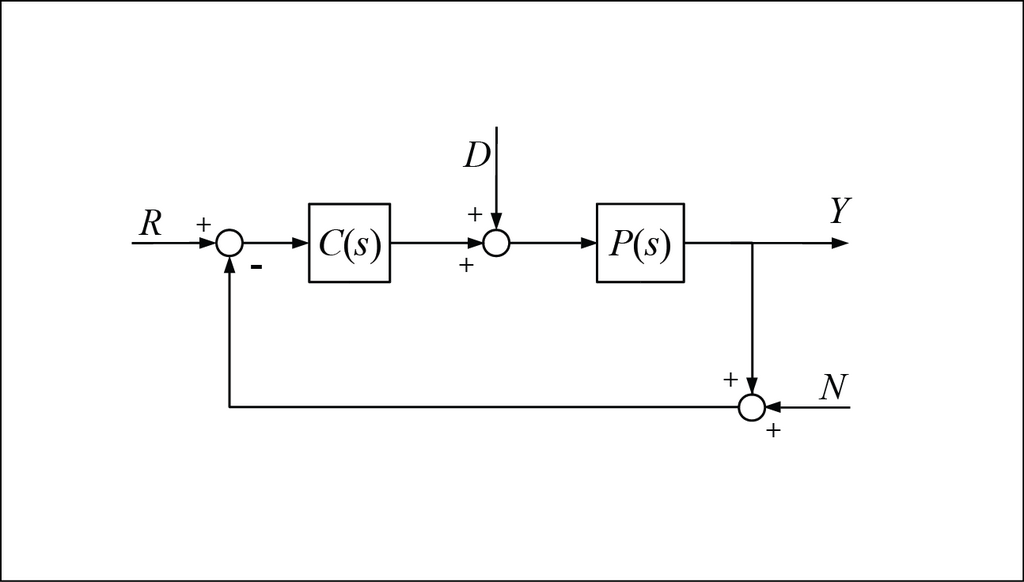
The controller's design is crucial. A simple controller might just turn things on or off. A more sophisticated one, like the cruise control in a modern car, can make very fine adjustments to the engine to handle hills and wind resistance smoothly. The controller's logic determines how well the system can achieve its goal, how quickly it responds, and how stable it is.
What is the primary function of a control system?
What is the key difference between an open-loop and a closed-loop control system?
These core concepts are the foundation for understanding how we command and regulate everything from simple household appliances to complex industrial machinery.