Control Box Customization Guide
Control Box Basics
What Are Control Boxes?
At its core, a control box is a protective enclosure for electrical or electronic components. Think of it as the command center for a machine or an entire industrial process. Inside, you'll find switches, relays, circuit breakers, and often a programmable logic controller (PLC) which acts as the brain of the operation.
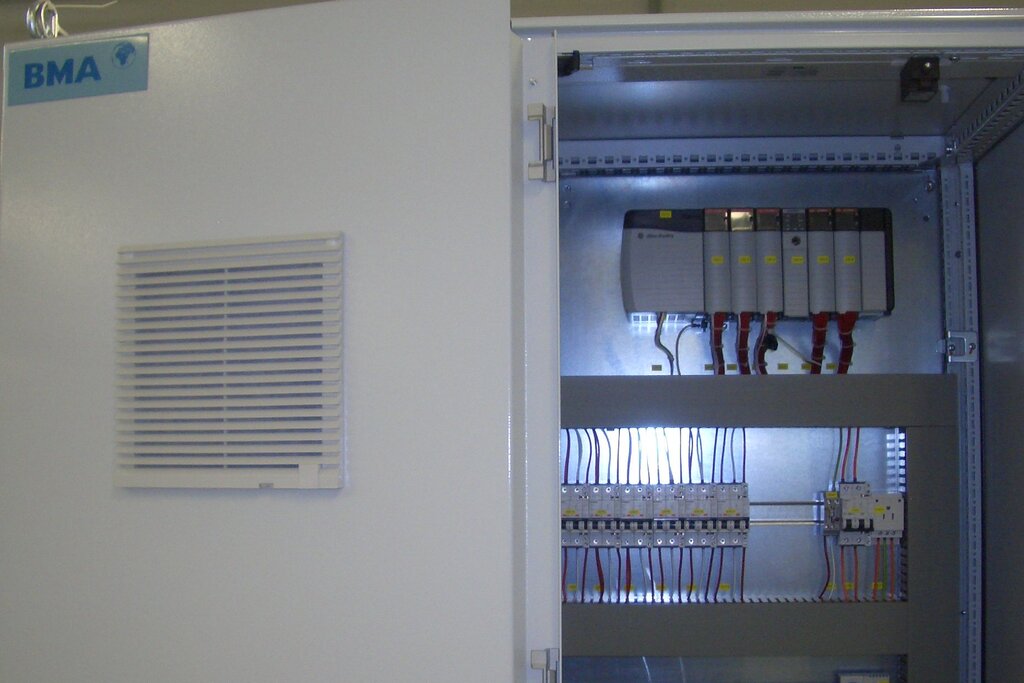
The primary job of a control box is twofold. First, it shields sensitive components from the outside world, protecting them from dust, moisture, and accidental impacts that are common in industrial settings. Second, it protects people. By containing high-voltage equipment, it prevents accidental contact and electrical shock.
These boxes come in various shapes and sizes, but they are often categorized into standard types to simplify selection. Let's look at two of the most common classifications: Type-A and Type-B.
Type-A and Type-B
The main difference between Type-A and Type-B control boxes is their size and intended application. Choosing the right one depends on the complexity of the system you're building.
Type-A boxes are the larger of the two. They are designed to house complex control systems that involve numerous components. If you're managing multiple machines or a detailed automated process, you'll likely need a Type-A enclosure to fit everything from the main PLC to power supplies and input/output modules.
In contrast, Type-B boxes are smaller and more compact. They are perfect for simpler, localized applications. For example, a Type-B box might be used to house the controls for a single conveyor belt motor or a simple start/stop button station. They hold just the essential components for a specific task, keeping the footprint small and the installation straightforward.
Making the Right Choice
Why does this distinction matter? Selecting the correct box type is a fundamental step in control system design. Choosing a box that's too small (a Type-B for a Type-A job) means you won't have enough space for all your components. This can lead to cramming wires and devices, which is a recipe for overheating and maintenance headaches.
On the other hand, using a box that's too large (a Type-A for a simple task) wastes space and money. A larger enclosure is more expensive and takes up valuable floor or wall space in a facility. By understanding the scope of your project, you can select the appropriate standard box, ensuring a clean, safe, and cost-effective installation.
| Feature | Type-A | Type-B |
|---|---|---|
| Size | Large | Small, Compact |
| Application | Complex, multi-component systems | Simple, localized control |
| Example Use | Main control panel for a factory line | Start/stop station for one motor |
| Consideration | Plan for future expansion | Minimal space required |
Let's check your understanding of these fundamental concepts.
What are the two primary functions of a control box?
Which scenario is the most appropriate application for a Type-B control box?
By starting with these basic classifications, you can ensure your control system is built on a solid and appropriate foundation.