Contract Farming in Egypt Economic Impacts
Introduction to Contract Farming
What Is Contract Farming?
At its core, contract farming is an agreement made before anything is even planted. It's a deal between a farmer and a buyer that sets the terms for producing and selling an agricultural product. Instead of growing a crop and hoping to find a buyer at the market, the farmer grows it with a buyer already lined up.
Contract Farming
noun
An agricultural production system carried out according to an agreement between a buyer and farmers, which establishes conditions for the production and marketing of a farm product or products.
These agreements connect farmers directly to a reliable market. The buyer, often a food processing company, a retailer, or an exporter, specifies exactly what they need. This can include the crop variety, quality standards, the total amount to be grown, and a delivery date. In return, the farmer agrees to produce and deliver that specific product.

The price is also a critical part of the deal. It's usually decided in advance, protecting the farmer from sudden price drops in the open market. Sometimes, the buyer also provides support like seeds, fertilizer, and technical advice to help ensure the crop meets the required standards.
Common Contract Models
Contract farming isn't a one-size-fits-all system. The structure of the agreement can vary widely depending on the crop, the market, and the parties involved. Here are a few common models.
The Centralized Model is the most common. A single large buyer, like a food processor or a supermarket chain, contracts with a large number of small-scale farmers. The buyer typically provides the inputs and closely manages the production process to ensure quality and uniformity.
Another setup is the Multipartite Model. This involves multiple parties. For example, a government body might join the farmer and the buyer in the agreement. This third party can provide additional services like credit, training, or quality control, adding a layer of security and support for both sides.
Finally, there's the Informal Model. This is common among individual entrepreneurs and small companies who make simple, often verbal, agreements with farmers on a seasonal basis. While flexible, this model carries more risk due to the lack of a formal legal contract.
Inside the Contract
A formal contract lays out the duties of both the farmer and the buyer. Clarity here is key to a successful partnership. The agreement must be fair, transparent, and legally enforceable.
A typical contract covers the following details:
| Component | Description |
|---|---|
| Quality Standards | Specifies the grade, size, maturity, and other characteristics of the product. |
| Quantity | Defines the total amount of the product the farmer is expected to deliver. |
| Price Mechanism | Outlines the fixed price or the formula used to calculate the price at delivery. |
| Production Inputs | Lists any inputs the buyer will provide, such as seeds or fertilizer, and how they will be paid for. |
| Delivery Schedule | Sets the dates and location for when and where the product should be delivered. |
The roles are clearly divided. The farmer is responsible for managing their land and labor to produce the crop according to the agreed-upon standards. They must follow the specified cultivation practices and meet the delivery timeline.
The buyer’s main responsibility is to purchase the agreed quantity of the product at the agreed price, as long as it meets the quality standards. They are also responsible for providing any inputs or technical support promised in the contract and making timely payments.
Weighing the Pros and Cons
Contract farming offers significant advantages, but it's not without its challenges. For farmers, the biggest benefit is a guaranteed market and a stable price. This reduces the uncertainty that comes with farming. They may also gain access to new technologies, better inputs, and valuable technical skills from the buyer, which can improve their productivity.
For buyers, the main advantage is a reliable and consistent supply of raw materials that meet their exact specifications. This is crucial for processors and retailers who need to maintain quality standards and manage their inventory.
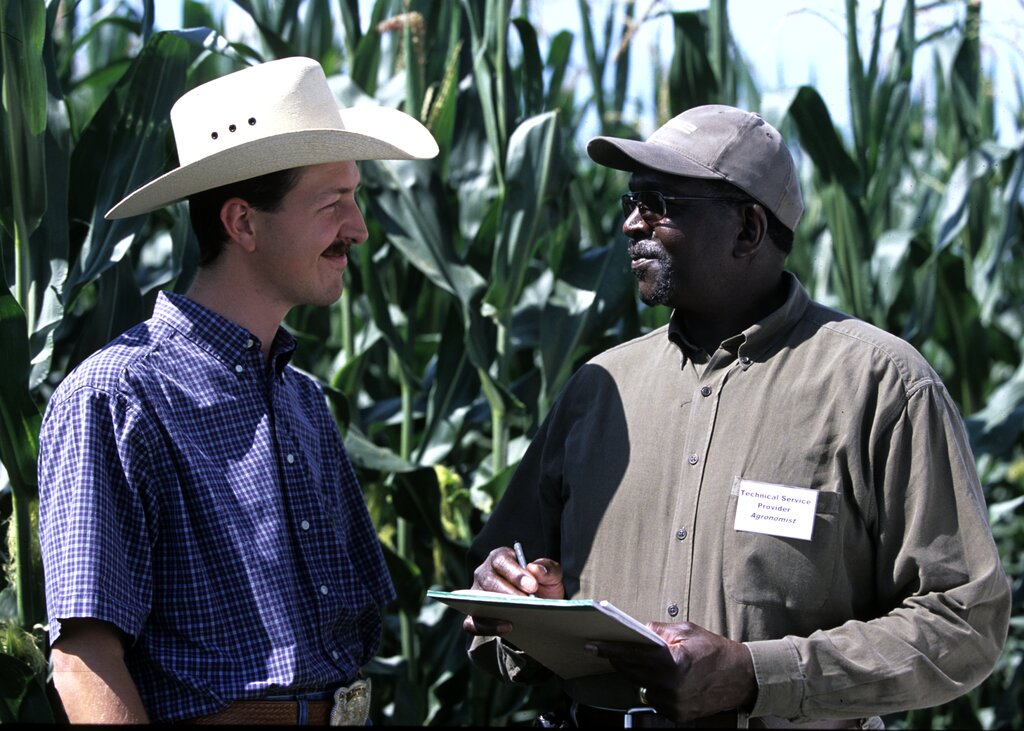
However, there are risks. Farmers may lose some of their independence, as they have to follow the buyer's production methods. There's also the risk of becoming indebted to the buyer if the cost of inputs is deducted from their final payment, especially if the crop fails. A poorly written contract can also leave farmers vulnerable to exploitation.
Buyers face challenges too. Farmers might be tempted to sell their crop on the open market if prices there are higher than the contract price, a practice known as side-selling. Additionally, managing and monitoring a large number of small farmers can be complex and costly.
Ready to test your understanding?
What is the core principle of contract farming?
In the context of contract farming, what is the practice of "side-selling"?
Ultimately, successful contract farming depends on a well-balanced agreement that benefits both the farmer and the buyer, building a partnership based on trust and mutual advantage.