Continuous vs Batch Pharma Manufacturing
Introduction to Pharmaceutical Manufacturing
From Powder to Pill
Pharmaceutical manufacturing is the process of turning raw chemical ingredients into the medicines we use every day. Think of it as a highly precise, large-scale version of chemistry class. The goal is to produce a safe, effective, and consistent product, whether it's a single pill or a batch of millions.
This process involves several key stages, starting with sourcing pure ingredients, carefully reacting them under controlled conditions, purifying the resulting drug substance, and finally, formulating it into a final form like a tablet, capsule, or liquid.
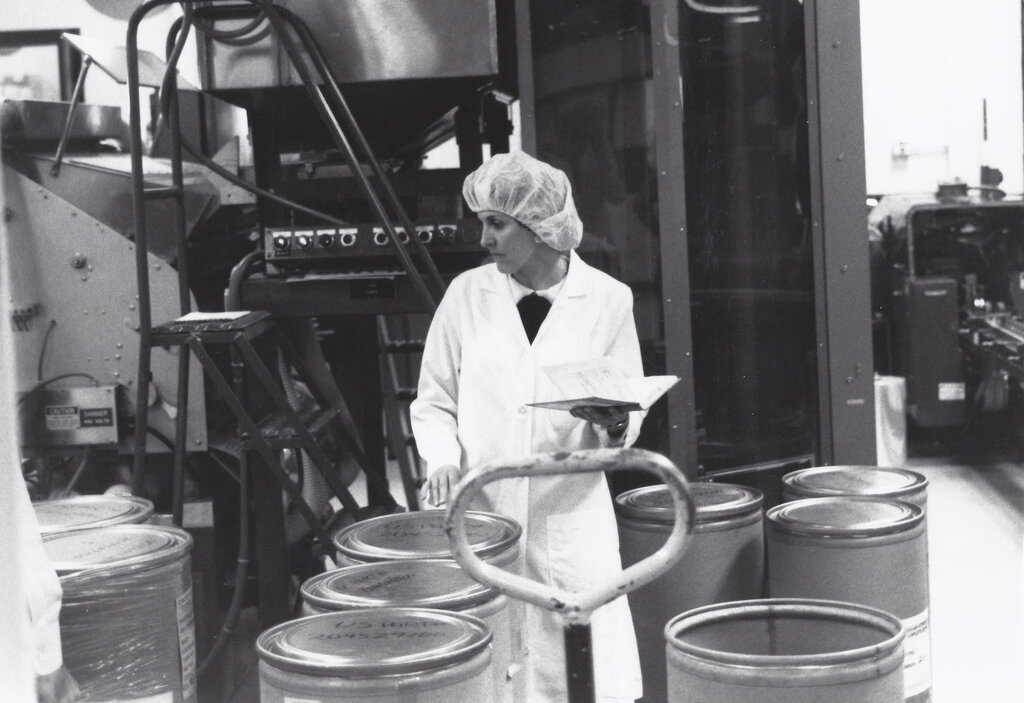
Small Molecule Drugs
Most common drugs, like aspirin, antihistamines, or blood pressure medications, are known as "small molecule" drugs. The name is quite literal. Their molecular structure is simple and their size is small, especially compared to the much larger, more complex molecules found in biologic drugs (like vaccines or insulin).
Because of their small size and stable chemical structure, these drugs can typically be synthesized chemically and conveniently formulated into pills or capsules that you can take orally. Their simplicity makes them ideal candidates for large-scale chemical manufacturing.
Two Production Philosophies
When making these drugs, manufacturers generally follow one of two main approaches: batch manufacturing or continuous manufacturing.
Imagine you're baking cookies. You could mix the dough, form the cookies, and bake them one tray at a time. That's batch processing. Or, you could set up a conveyor belt that mixes, forms, and bakes cookies in a constant, unbroken stream. That's continuous processing.
Batch manufacturing is the traditional method. Ingredients are processed in distinct, separate steps in large vats or reactors. A specific quantity of a drug is made in one go, forming a "batch." The process stops, the equipment is cleaned, and then the next batch can begin. It's a sequential, step-by-step approach.
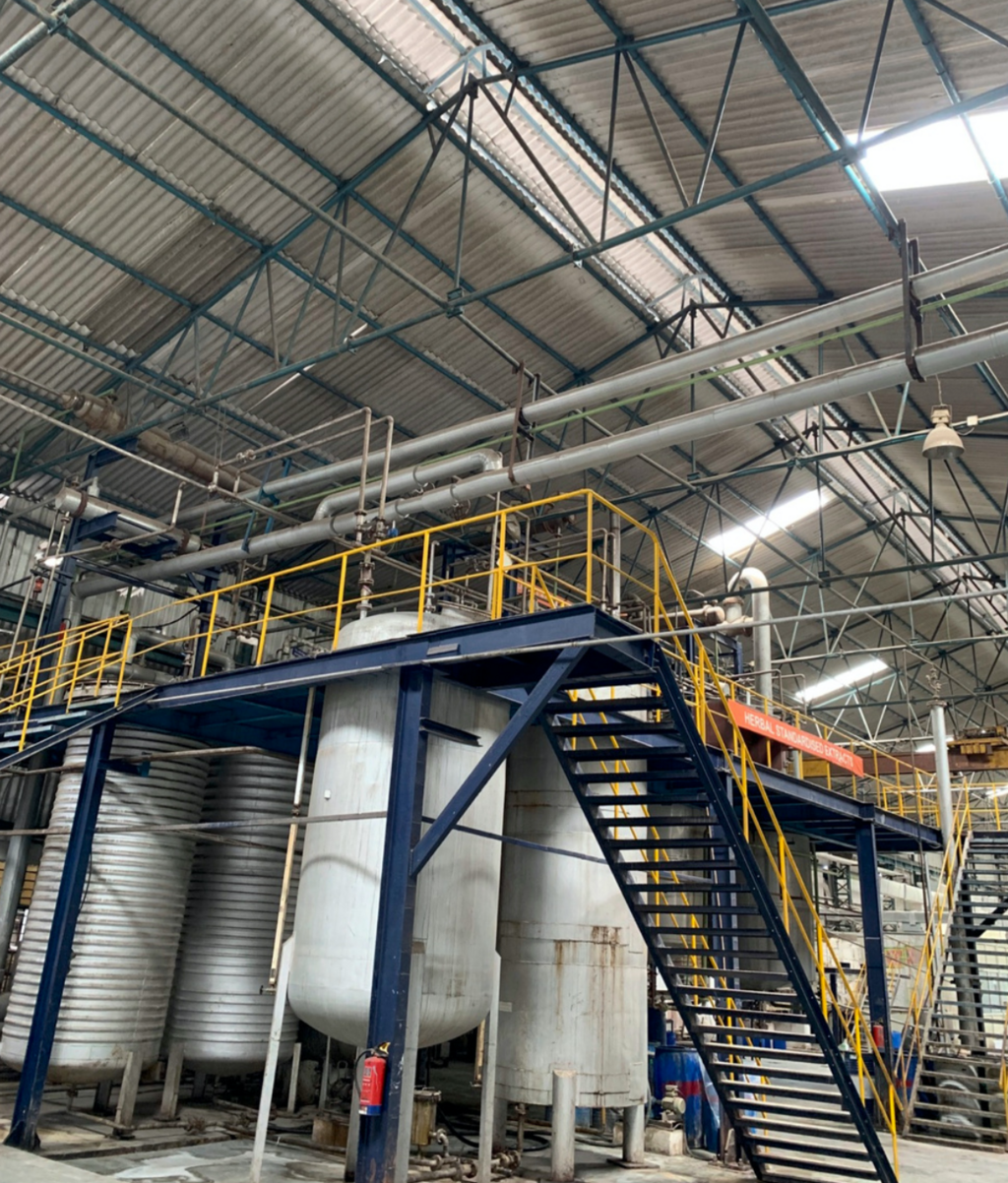
Continuous manufacturing, on the other hand, is a more modern approach where raw materials are fed into a process constantly, and the finished product comes out the other end in an uninterrupted flow. The entire production line runs simultaneously and continuously, like an assembly line for medicine. This method is gaining popularity for its efficiency and consistency.
Both methods are used to produce high-quality medicines, and the choice between them depends on the specific drug, production scale, and other factors.